
The Digital Era Crisis and Sony New Strategy
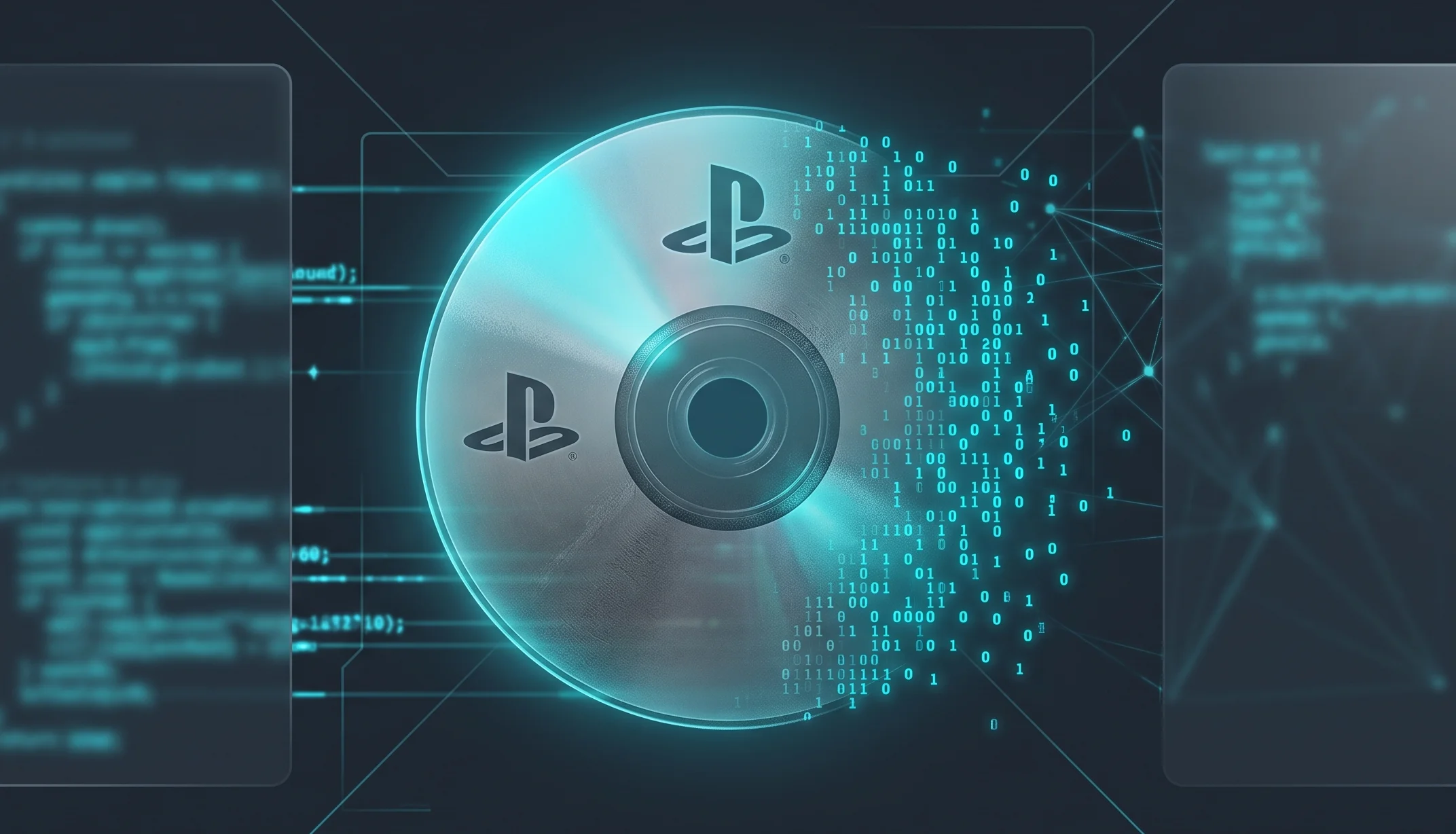
The interactive entertainment industry is undergoing a massive transformation that forces a reconsideration of the very concept of content ownership. Sony has officially announced a strategic transition toward a fully digital ecosystem, sparking intense debate among experts, collectors, and organizations dedicated to preserving digital heritage. The abandonment of physical media planned for the coming years highlights the platform desire for total control over distribution, yet it threatens the availability of classic titles for future generations.
The main source of community dissatisfaction is the realization that purchasing a digital version of a game is merely a long-term license lease that the publisher can revoke at any time. A physical disc has always been a guarantee that a user could launch a game even without an internet connection or after the official support servers shut down. The new platform policy effectively nullifies this advantage, forcing the market to fully adapt to cloud technologies and digital storefronts.
Historical Context and PlayStation Media Evolution
For three decades, optical discs have been the foundation of the PlayStation identity. Starting with the original console architecture utilizing CD-ROMs and ending with modern multi-layer Ultra HD Blu-ray media, physical copies have shaped a massive culture of collecting and the secondary market. Reselling, trading, and long-term storage of discs ensured the stability of the gaming ecosystem. Below is the chronology of media utilization in the company home systems.
Analytical data shows that the percentage of digital game sales has been growing steadily over the past decade. While in 2015 most users purchased discs at retail chains, today over 80% of all transactions occur via the PlayStation Store. This natural shift in consumer behavior became the main argument for Sony management to radically cut costs on logistics, cover printing, and disc pressing. However, the economic benefit for the corporation sets a serious precedent for the industry as a whole.
Impact on Video Game Heritage Preservation
Organizations involved in archiving digital art note that without physical copies, many projects will simply disappear. When a publisher loses a license for music, cars, or intellectual property, the game is removed from digital storefronts. With discs available, users can find a copy on the secondary market, but in a purely digital future, such a game becomes unavailable for legal purchase. This creates a situation where entire segments of modern pop culture could be lost forever due to legal nuances or the financial impracticality of maintaining servers.
Furthermore, the closure of digital stores for legacy platforms proves that a digital library is not permanent. Users who invested thousands of dollars into their accounts become hostages to corporate decisions. The ability to download previously purchased content is usually maintained for some time, but the lack of alternative software installation sources turns consoles into closed ecosystems with a limited shelf life.
Economic Aspect and Market Monopolization
The complete elimination of disc drives automatically removes competition from large retail chains and local shops. In a purely digital model, the PlayStation Store becomes the sole monopoly platform for selling games on the console. This deprives players of the opportunity to choose better offers, buy used discs, or take advantage of third-party retailer discounts. Pricing policy will be fully controlled by the platform holder, which could lead to fixing the standard cost of new releases at 70 USD and higher with no alternative ways to save money.
The structural change in the market will also affect developers, especially independent studios. Digital publishing expenses are significantly lower, which theoretically helps smaller teams. On the other hand, the absence of a physical product reduces the visibility of a game on real store shelves, shifting the entire marketing battle to the recommendation algorithms of a single digital platform. Users will have to get used to new conditions where a game is just a service, with access regulated by a license agreement.


0 Comments