
Transport & Energy
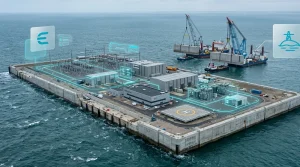
North Sea Unmanned Island as an Offshore Energy Hub
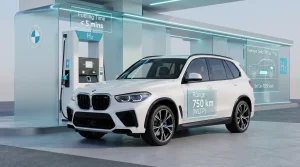
BMW iX5 Hydrogen targeting 750 km range and 700-bar tanks
Volkswagen Osnabruck Plant Transitions to Air Defense
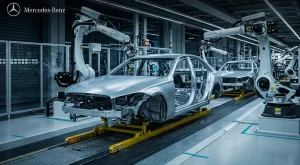
Mercedes-Benz May Close German Plant Due to High Costs
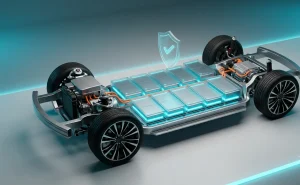
Xiaomi Covers Full EV Cost in Case of Battery Fire Incident
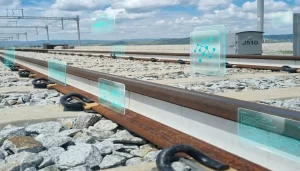
Magnetic Textile Protects Railway Tracks From Heat
Uber cuts 10% of staff and exits Nigeria
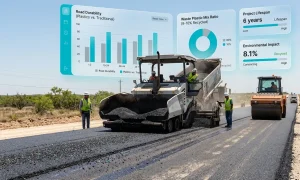
Plastic Instead of Bitumen: Texas Tests New Roads

AI Infrastructure Bubble or Investment: Big Tech Capex

Glass vs Plastic – The Environmental Lifecycle Truth
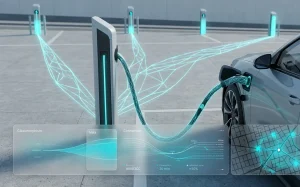
Hacker Worm Spreads Between EVs and Charging Stations
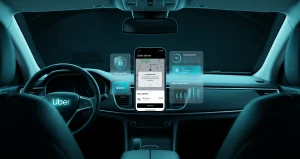
Uber Fined $966M Over Automated Driver Bans
Transport Technologies
Synergy of Transport and Energy in the Modern World
Human development is inextricably linked to the ability to move goods and passengers, as well as access to reliable energy sources. Today, these two industries are undergoing a global transformation, merging into a single ecosystem. Transport electrification is becoming the main driver of change, requiring updates to energy infrastructure and the search for new methods of electricity storage. Understanding these processes allows us to assess how our cities and daily habits will change in the near future.
Energy efficiency is becoming a priority not only for industrial giants but also for private households. The implementation of smart energy management systems allows for optimizing costs and reducing grid load. We analyze technological solutions that make travel faster and resource use more rational, ensuring the sustainable development of society.
Key Innovation Areas
Modern research focuses on these critical aspects:
- Development of infrastructure for fast charging of electric vehicles
- Implementation of hydrogen fuel cells in heavy transport
- Energy recuperation systems during braking
- Autonomous logistics systems and self–driving technology
- Integration of renewable energy sources into transport networks
Electromobility as a New Standard
Transitioning to electric drive is not just a change in engine type, but a complete reassessment of the automobile concept. Modern electric cars offer high levels of comfort, dynamics, and safety, while requiring new approaches to maintenance. A vital role is played by the development of battery technologies that allow for increasing range and reducing time spent at charging stations. We examine in detail the technical features of various models and the development of networks that make using green transport convenient for everyone.
In addition to private cars, active electrification affects public transport and commercial logistics. Electric buses and vans can significantly improve the ecological situation in metropolises. The use of intelligent route planning systems combined with energy–efficient engines creates prerequisites for the functioning of smart cities where transport flow is regulated by real–time algorithms.
Energy Security and Alternative Sources
Reliability of energy supply is key to the stable operation of transport systems. The development of solar and wind generation allows for the creation of local microgrids that can operate autonomously. This is especially important for remote regions and critical infrastructure objects. We explore how energy storage technologies, such as high–capacity lithium and solid–state accumulators, help balance consumption and generation.
The future of energy is also linked to digital management. Smart Grid technologies allow networks to automatically adapt to load changes, ensuring maximum stability. Studying these innovations helps understand how the modern energy landscape is shaped and what benefits it brings to the final consumer. Explore the world of the latest technologies with us to keep up with solutions that make our lives more mobile, safe, and ecological. Every technical breakthrough in this area brings us closer to the era of clean energy and intelligent movement.