
Pragmatic Calculation or Forced Step Amid the Semiconductor Crisis
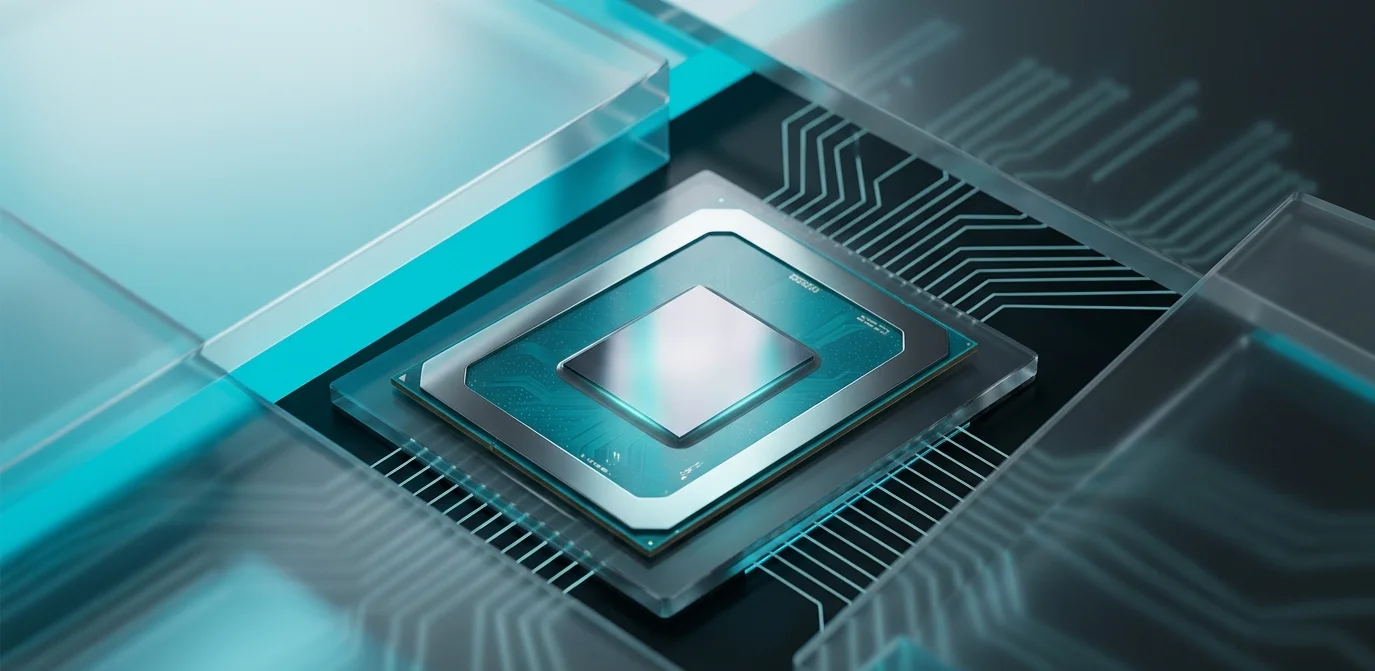
Intel is preparing an unexpected extension of the lifecycle for its popular LGA 1700 desktop platform. Instead of a complete transition to new sockets and the DDR5 RAM standard, the developer plans to release an updated line of processors under the codename Raptor Lake Next. The main feature of this series will be the preservation of full compatibility with previous-generation DDR4 memory modules. This decision looks like a rational step given the current situation in the global electronic components market and the needs of users looking for budget computer upgrade options.
The change in the chipmaker’s priorities was caused by a shortage and a significant increase in the cost of DDR5 memory modules. Recently, the cost of new RAM sticks has nearly tripled due to limited production volumes of individual microchips and high demand from the artificial intelligence industry. This forced even leading motherboard manufacturers to re-orient their assembly lines to produce affordable previous-generation solutions. Intel decided to support this trend, ensuring the long-term relevance of the LGA 1700 slot, which was originally planned for only a few processor series.
Technical Characteristics of the Updated Bartlett Lake S and Raptor Lake Next Line
The new processor family will combine both planned improvements to the Raptor Cove architecture and specialized solutions known as Bartlett Lake S. These chips are targeted at the mass and corporate market segments, where the platform’s cost of ownership is a key factor in equipment procurement. The processors will be manufactured using the well-established Intel 7 technological process, which will keep production costs low and avoid shortages of the silicon dies themselves.
Despite using an old architectural foundation, the company’s engineers plan to optimize the operation of the integrated memory controller. The updated processors will receive support for high-speed DDR4 profiles with a frequency of 3200 MT/s in the basic Gear 1 mode, with the possibility of further overclocking. The hybrid crystal structure containing performance P-cores and energy-efficient E-cores will also be preserved. This will allow flexible resource allocation between background processes and the user’s primary work tasks.
Economic Feasibility and Backward Compatibility for PC Owners
The main advantage of the Raptor Lake Next release is the preservation of backward compatibility with already purchased equipment. Users who built their systems on Intel B660 or Z690 logic a few years ago will not have to spend money to replace the entire platform. To install a new processor, it will be enough to perform a standard BIOS microcode update. This minimizes upgrade costs and allows users to postpone a full transition to more expensive memory standards for another few years.
Intel plans to bring the new line to market in the first half of 2027. At the same time, the processors will be sold in parallel with the advanced flagship Nova Lake family. Thus, the manufacturer will clearly divide the audience. Enthusiasts and professionals will be offered a new architecture with support for DDR5 exclusively at a high price, while rational users and system integrators will be provided with time-tested solutions based on LGA 1700. This strategy will allow Intel to effectively compete with the AMD AM4 platform, which still holds a significant share of the budget market due to long-term support from the developer.




0 Comments