
A New Model of Interaction Between Listeners and Musicians
Music streaming service Deezer has announced the launch of a new tool called Remix Lab, which will allow users to legally create remixes of tracks by famous artists. The main feature of this initiative is the complete rejection of generative artificial intelligence algorithms in favor of traditional audio editing tools. The platform aims to return control of the creative process to humans while ensuring a transparent monetization system for copyright holders.
In recent years, the streaming industry has faced an avalanche of unlicensed content created using AI. Many tracks are uploaded to platforms without the consent of the authors, which destroys the classic system of royalty distribution. Deezer decided to take a different path by offering a space where every fan remix is created manually from official audio materials (stems) provided by the musicians themselves.
How Remix Lab Technology Works
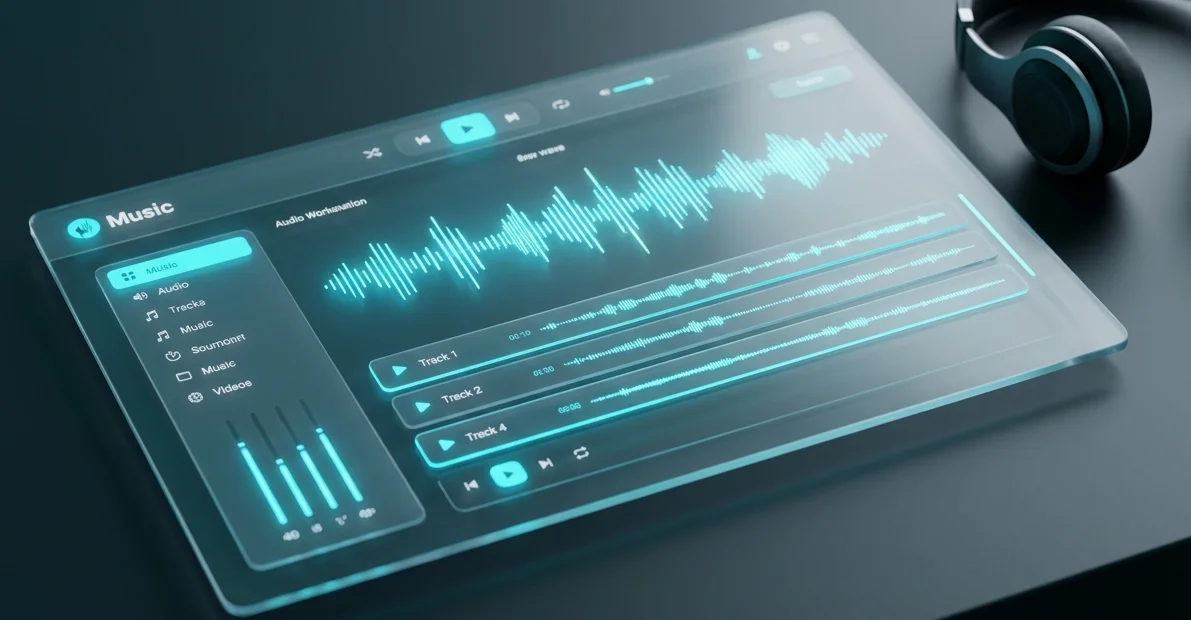
Platform users get access to a special web interface that contains a set of original audio tracks of a song. These can be separately recorded vocal parts, bass lines, percussion instruments, or synthesizer effects. Thanks to a basic set of tools for mixing, tempo changing, and applying effects, listeners can create their own unique versions of popular hits.
Since the toolkit does not use generative AI, every result obtained is the product of the direct technical and creative work of the user. Once the remix is complete, it can be published directly to the Deezer catalog for public listening by other users of the service.
Copyright Protection and Financial Model
The most critical issue in the field of user-generated content has always been the financial compensation of authors. Within the Remix Lab project, Deezer has implemented a model where every stream of a fan-created remix generates income for the original artist and their label. The system automatically recognizes the original components of the track and distributes funds in accordance with current licensing agreements.
This approach allows solving several serious problems of the music market at once. First, authors get a new channel to monetize their creativity without having to release additional official material. Second, it reduces the motivation of users to look for workarounds and upload pirated remixes to third-party sites where copyright holders do not receive any payments.
Prospects for the Legal Remix Ecosystem Development
In the initial testing phase, the tool will be available for a limited catalog of artists who were the first to agree to provide their studio materials. The company is actively negotiating with major global labels to expand the base of available tracks. Market experts note that such a move could change the rules of the game in the streaming industry, which is tired of legal disputes with neural network developers.
Creating a safe environment where users can legally interact with intellectual property opens up new opportunities for audience engagement. Fan communities get a tool for self-expression, and the music industry receives additional revenue while fully controlling the use of its works.




0 Comments