
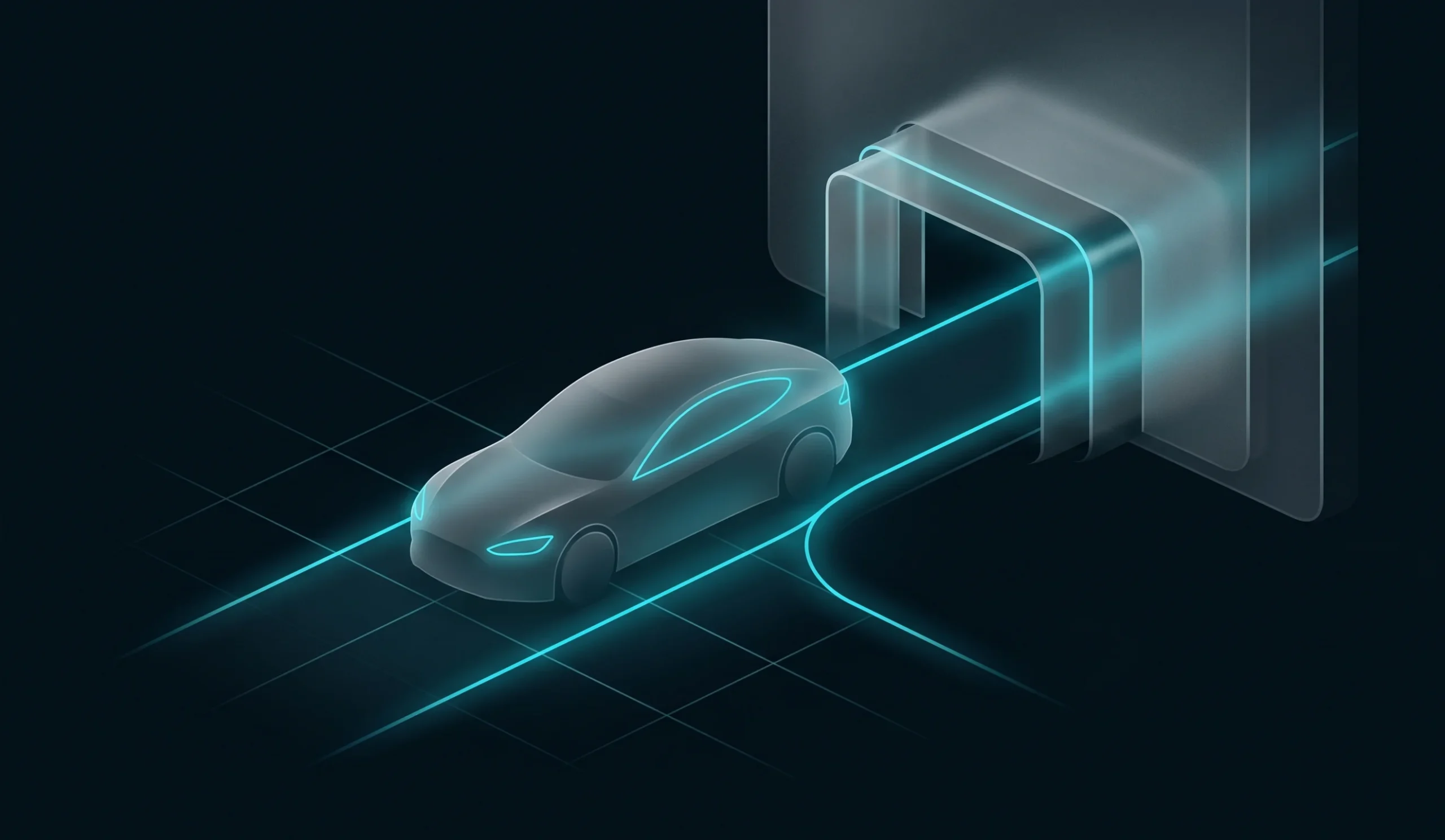
Fatal Incident Details in Katy Texas
A fatal accident involving a Tesla Model 3 electric vehicle has been reported in Katy, Texas. According to local officials and law enforcement, the vehicle was traveling at high speed when it failed to negotiate a turn, departed the roadway, and crashed directly through the wall of a residential home. A 76-year-old local resident, Marta Avila, who was inside the building at the time of the impact, sustained fatal injuries and passed away at the scene.
The driver of the vehicle survived the collision without critical injuries. During the initial police interrogation, the driver officially stated that the vehicle’s Autopilot driver assistance system was engaged at the time of the crash. Texas law enforcement authorities, along with federal agencies, have launched a comprehensive investigation to determine the exact cause of the crash and the level of driver assistant involvement.
Technical Investigation and Regulatory Response
The National Highway Traffic Safety Administration (NHTSA) has joined the data collection process regarding this crash. Investigators will extract telemetry data from the Tesla Model 3 onboard computer to verify or refute the driver’s claims about Autopilot operation. The verification procedure includes a detailed analysis of logs from the final minutes before the collision, monitoring steering wheel torque and brake application data.
Safety experts emphasize that Tesla’s Autopilot and Full Self-Driving (FSD) systems, despite their branding, are not fully autonomous driving systems. Under international classification standards, they are rated as Level 2 automation systems. This classification means the driver must remain fully engaged, keep hands on the wheel at all times, and be ready to take immediate control of the vehicle during any road anomaly.
History of Similar Incidents and Legal Implications
This incident adds to a growing list of federal investigations opened by the NHTSA involving Tesla vehicles. Over recent years, the regulator has documented numerous cases where vehicles operating with active driver assistance crashed into stationary objects, including emergency vehicles with flashing lights and building walls on sharp curves. The primary technical concern remains the reliability of optical cameras detecting static obstacles at high speeds.
For the automaker, this new probe could trigger another large-scale over-the-air software update or lead to substantial wrongful death lawsuits from the victim’s family. Legal experts note that proving algorithmic fault remains a complex task due to the explicit operational limitations outlined in Tesla manuals, though legal precedents targeting automated driving logic are becoming more frequent in US courts.
Challenges of Tesla Vision Camera-Only Approach
The core technical debate centers on the corporate decision to eliminate radar and lidar sensors in favor of an optical-only system called Tesla Vision. Critics argue that camera-only systems can misjudge distances under complex lighting conditions or unusual building geometries near roadways. Automobile safety advocates continue to demand the reintegration of redundant sensors to verify camera data streams.
While the official investigation continues, local authorities urge electric car owners to exercise caution when using driver assist features on suburban streets, where road trajectories change rapidly and the risk of entering residential zones remains critical due to typical American neighborhood design.


0 Comments