
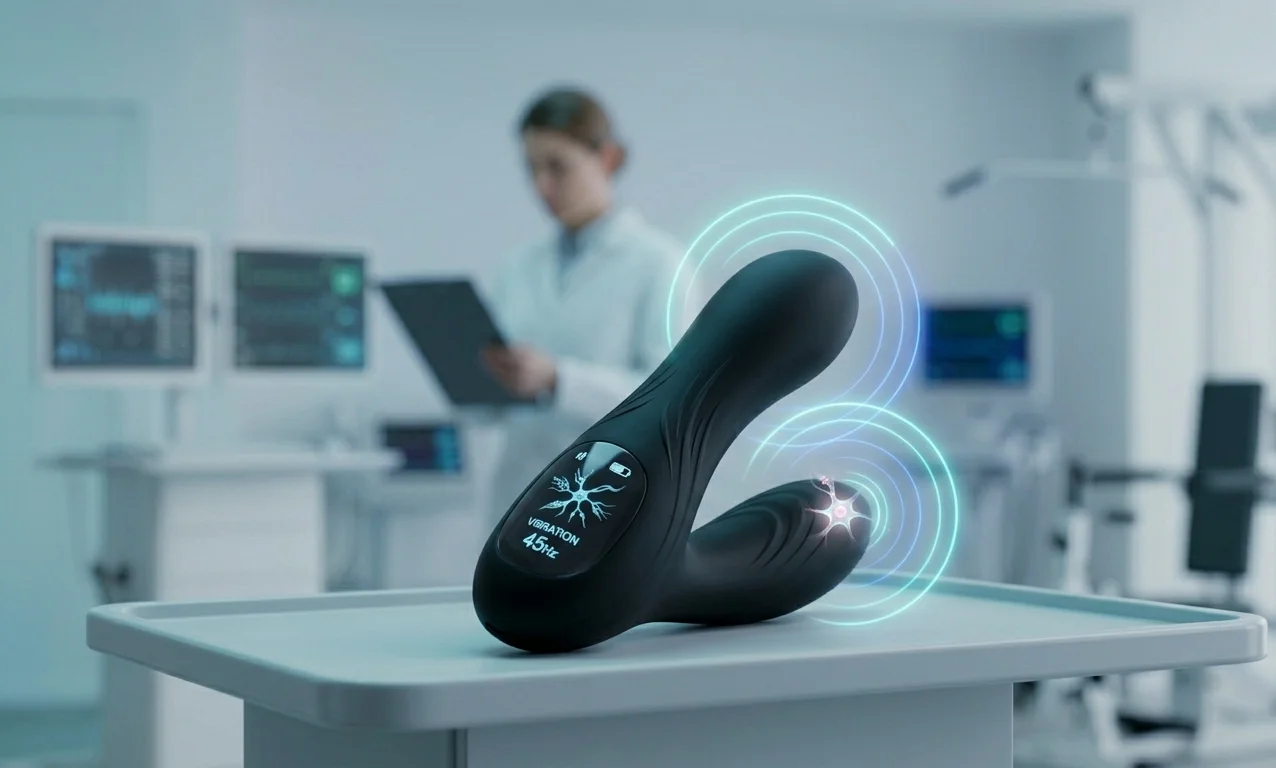
The Phenomenon of Phantom Pain and the Search for Alternative Therapies
Phantom limb pain is a complex neurological condition affecting over 80% of individuals post-amputation. Patients experience burning, cramping, tingling, or sharp pain in a limb that is no longer physically present. For decades, conventional medicine has heavily relied on pharmacological treatments, including opioids, antidepressants, and anticonvulsants. However, drug therapy often carries severe side effects, risks dependency, and frequently fails to provide adequate long-term relief.
In recent years, the scientific community has actively investigated non-invasive somatosensory stimulation methods. Among these, vibration therapy has garnered significant attention. Research indicates that controlled mechanical stimulation at specific frequencies can block pain signals before they reach the brain. Due to the high cost and limited accessibility of specialized medical equipment, patients and physical therapists have looked toward consumer technologies. High-quality adult lifestyle devices have emerged as effective, budget-friendly tools providing the technical specifications necessary for home-based neuromodulation.
The Neurobiological Mechanism of Vibration on Pain Paths
The efficacy of vibration therapy is rooted in the classic gate control theory of pain, introduced by Ronald Melzack and Patrick Wall in 1965. According to this model, large-diameter nerve fibers (A-beta), which transmit tactile and vibratory sensations, possess higher priority and faster conduction speeds than thin fibers (A-delta and C) that carry pain impulses to the spinal cord and brain.
When a device applies stable, high-frequency vibration, the intense activation of A-beta fibers effectively closes the neural gate within the spinal cord. The brain prioritizes processing the heavy tactile input, which significantly diminishes or completely dampens the perception of phantom pain. Furthermore, localized mechanical oscillation enhances peripheral blood flow in the residual limb, alleviates muscle spasms, and aids in the desensitization of hypersensitive nerve endings or neuromas that often act as triggers for severe pain spikes.
Technical Parameters Required for Therapeutic Success
Not every massager is suitable for therapeutic use. The defining factors of clinical efficacy are oscillation frequency, amplitude, and material safety. Medical studies demonstrate that the optimal range to stimulate tactile mechanoreceptors, specifically Pacinian corpuscles, lies between 30 Hz and 150 Hz. Most premium adult novelties operate precisely within this range, maintaining consistent frequency without losing amplitude under applied pressure.
Material composition remains a vital aspect of safety. Unlike cheap budget items made from porous plastics, high-end wellness devices utilize non-porous, medical-grade silicone. This material does not harbor bacteria, is fully hypoallergenic, and can be easily sanitized with water-based or alcohol-based disinfectants, which is crucial for prolonged contact with sensitive skin areas on residual limbs.
Application Practice and Home Neuromodulation Protocol
To establish sustainable pain relief, physical rehabilitation specialists recommend adhering to a structured application protocol. Before initiating device use, patients must ensure that post-operative incisions have fully healed and that the residual limb skin is free from open wounds, inflammation, or localized infections. Stimulation should always begin at the lowest intensity setting, gradually increasing to a firm yet comfortable level that never causes additional distress.
The device is placed directly over the area of maximum pain intensity or against major nerve pathways located just above the amputation site. A standard session lasts between 10 and 20 minutes. The procedure can be repeated 2-3 times a day or deployed immediately during acute phantom pain flare-ups. Given the portability, IPX7 waterproofing, and low operational noise of modern lifestyle devices, patients can discreetly administer treatment at home, gaining substantial independence from clinical schedules.
Economic Viability and Accessibility of the Method
One of the primary benefits of adapting consumer wellness gadgets for neurological rehabilitation is financial accessibility. Professional medical-grade vibration units cost thousands of dollars, making private ownership prohibitive for the vast majority of patients. Relying solely on clinical sessions introduces heavy logistical burdens and ongoing healthcare provider fees.
Acquiring a certified, premium personal massager from a reputable manufacturer averages around 100 USD. For this investment, a patient receives a highly engineered device with precise motor controls, robust battery runtime, and extensive operational longevity. This significantly reduces the economic burden on both personal budgets and public healthcare insurance systems while vastly upgrading patient autonomy and lowering reliance on systemic analgesic medications.



11 Comments
Wow, unexpected... has anyone actually tried this in practice?? My father has an amputation after a wound, phantom pain is killing him, pills have already ruined his liver. Please tell me which model to choose because I know nothing about this((
Gate control theory is cool of course, but can you imagine the shock of an old rehabilitation doctor in a local clinic when a patient brings such a device there)) or is this purely a home thing?
I wonder if this works for regular back pain or radiculitis? I mean, if the principle is the same, that the pain gates close. Or does it only help with phantom pain??
To be honest, sounds a bit crazy.. sex toys for treating nerves?? Are you serious?? Why not just buy a normal medical massager certified exactly as medical equipment instead of all this
I work with wounded military personnel. This method actually works, I confirm. We use Lelo and Womanizer, the frequencies fit perfectly. The main thing is not to buy cheap Chinese stuff for 300 UAH, because those motors don't hold RPM under pressure and there is zero effect.
What if you overdo the time? Like, what if you keep it for an hour instead of 20 minutes? Won't the stump go numb? Has anyone faced side effects from this kind of home physiotherapy?
This Melzack 'gate control' method is actually scientifically proven, but have there been clinical trials specifically using sex toys? Please share links to primary sources if any, very curious to read medical papers.
The article says about 30-150 Hz. But where in the specs of a regular intimate device can you find these hertz?? Wherever I look on websites they only write 'number of modes' or 'powerful motor' and no figures on frequency. How to choose then
100 bucks is of course cheaper than 5000 for a medical device, but for our pensioners or veterans without payouts, that's also money... the state should buy such gadgets for disability) I can imagine a tender on Prozorro 'procurement of vibrators for rehabilitation'))
I've had an above-knee amputation for two years now. Phantom spasms twist me so bad I want to howl. Bought a powerful bullet vibe from a well-known brand on the advice of some guys. Here is my take: first 5 mins feel weird, but then real relaxation comes, the pain goes away. Anyone doubting — don't be stupid, it really makes life easier.
Amazing article! Who would have thought that pleasure devices could solve such serious medical issues. This really destigmatizes the whole adult toy industry. Huge respect to the author for this analysis.