
- Reasons Behind the Financial Crisis of Varta
- Impact of Losing Key Orders on Business Strategy
- Mechanism of Self-Administered Restructuring
- Role of Shareholders and Strategic Investors
- Analysis of the European Battery Sector
- Key Challenges for European Manufacturers
- Future Outlook and Operational Recovery
Reasons Behind the Financial Crisis of Varta
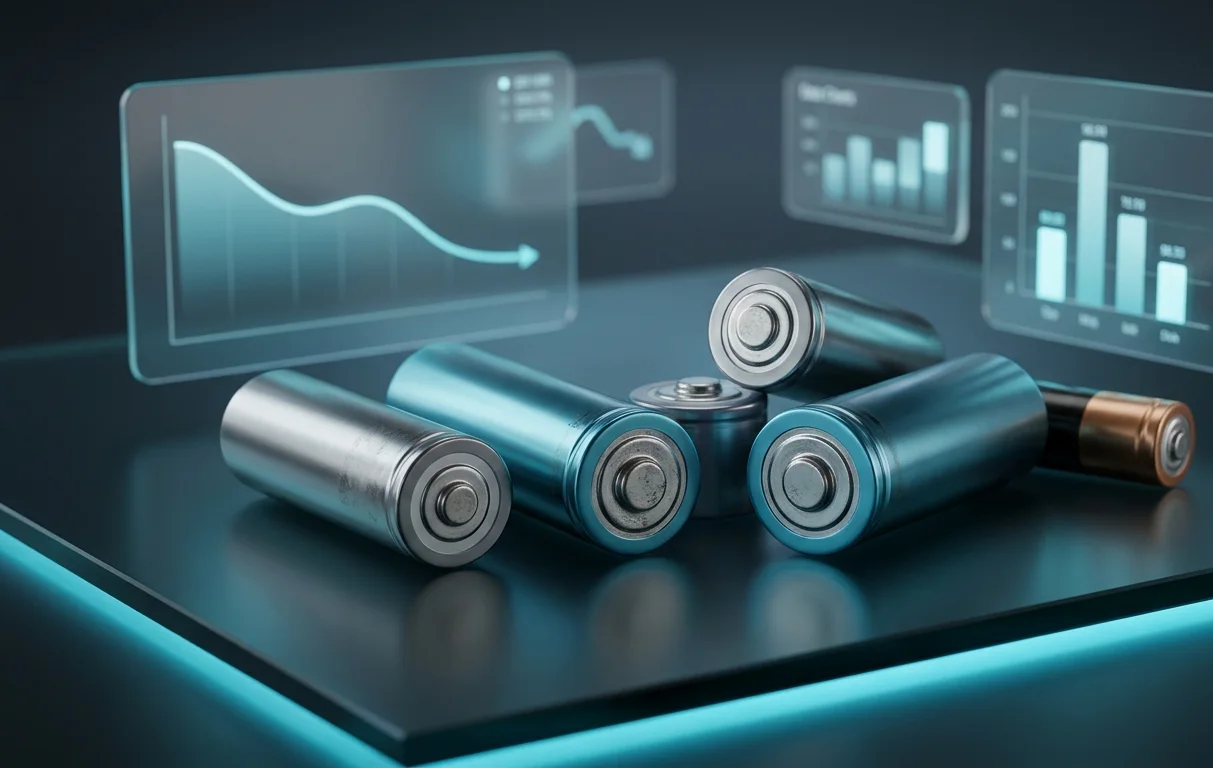
German battery manufacturer Varta has encountered severe financial difficulties, forcing its management to file for restructuring proceedings with the Stuttgart district court. The primary driver behind this move was a sharp drop in order volumes from key commercial partners, coupled with intensified competition from Asian battery suppliers.
For years, the company held a dominant position in the microbattery market for wireless headphones and wearable electronics. However, shifting supply chain dynamics and the transition of major tech corporations to lower-cost alternatives manufactured in China and South Korea significantly impacted the company’s operational revenue.
Impact of Losing Key Orders on Business Strategy
The most substantial blow to Varta was the decline in demand for its CoinPower microbattery series. These energy storage cells were extensively utilized in premium wireless headsets, including devices produced by Apple. When the client opted to diversify its supplier network and source cells from Asian manufacturers, production volumes at Varta plants dropped precipitously.
Simultaneously, the enterprise faced headwinds in its residential energy storage segment. A marked slowdown in European consumer demand for home solar battery backup systems led to inventory build-up and a notable decrease in quarterly earnings.
Mechanism of Self-Administered Restructuring
The court filing submitted to the Stuttgart district court utilizes the provisions of the German Corporate Stabilization and Restructuring Act (StaRUG). This legal framework enables enterprises facing potential insolvency to carry out a comprehensive debt reorganization without transferring operational management to an external court administrator.
Self-managed restructuring allows the existing executive board to retain operational control over daily business functions. The primary goal of this procedure is to negotiate terms with creditors regarding partial debt write-offs or extended repayment schedules, laying the ground for new capital injections.
Role of Shareholders and Strategic Investors
Major Varta shareholder Michael Tojner has expressed willingness to participate in the financial recovery program. At the same time, talks are ongoing regarding potential equity stakes from strategic partners, including German automaker Porsche. The car manufacturer’s interest centers on securing access to high-performance V4Drive battery cells designed for electric sports cars.
Securing fresh investments of around $100 million remains critical for preserving jobs and sustaining research and development operations. However, successful execution depends on securing approval from the majority of creditors regarding the restructuring plan.
Analysis of the European Battery Sector
The financial challenges at Varta reflect broader systemic issues affecting the European energy storage and battery manufacturing landscape. Elevated electricity costs, high raw material expenses, and labor costs across Europe render domestic manufacturers less competitive compared to Asian counterparts in China, South Korea, and Taiwan.
Key Challenges for European Manufacturers
- Volatile prices for essential raw materials including lithium, cobalt, and nickel on global markets.
- Elevated industrial electricity tariffs across Germany and neighboring European Union member states.
- Rapid expansion by Asian manufacturing giants offering battery cells at lower price points due to economy of scale.
- Slower-than-projected growth in the European electric vehicle market, forcing automotive OEMs to adjust procurement volumes.
- Complex regulatory procedures and administrative delays in obtaining government subsidies for factory expansions.
Future Outlook and Operational Recovery
A successful restructuring procedure will allow Varta to safeguard its most profitable business divisions, including industrial energy systems and specialized custom battery solutions. The company intends to streamline operational costs, phase out underperforming units, and concentrate resources on high-margin product lines.
Restoring stability to Varta is significant for Germany’s technology ecosystem. Maintaining domestic cell production capabilities supports the European Union’s broader goal of technological autonomy in energy storage solutions. The coming months will determine whether Varta can finalize its restructuring agreement with creditors and rebuild long-term financial health.
The situation surrounding Varta highlights how rapidly market conditions can shift even for established industrial players. The ability to adapt quickly to changing demand and manage financial risk effectively remains a crucial requirement for long-term viability in the global electronics market.


0 Comments