
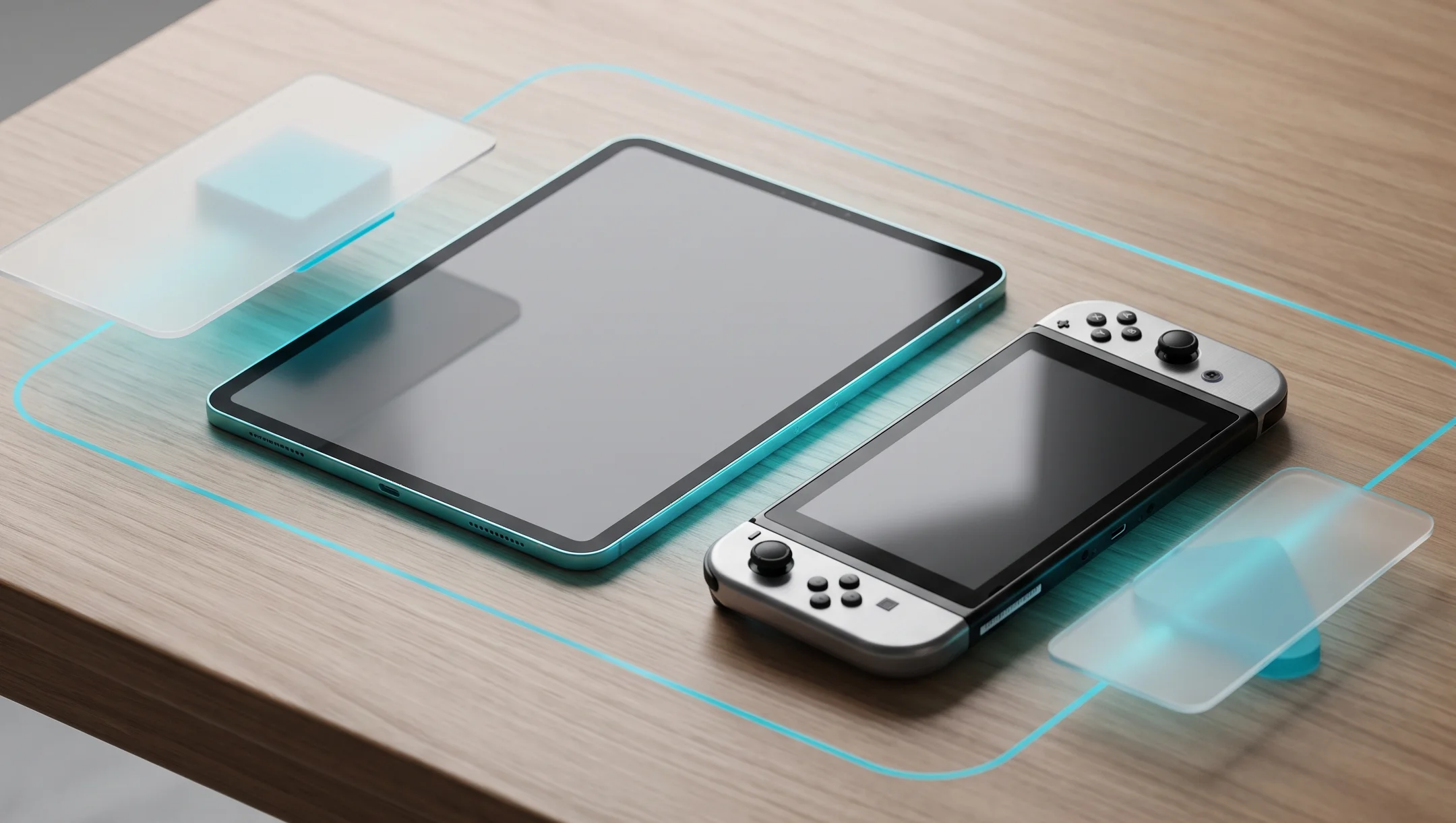
The Psychology of the Inevitable from Excitement to Indifference
Every one of us has an item at home that we once wanted very badly. We spent a long time choosing it, watching reviews, imagining how we would use it, and finally bought it. For the first few days, it felt like the best purchase ever made. And then it simply became part of the furniture. The strangest moment is when you walk past it and catch yourself thinking that you haven’t used it in a long time. This is a classic manifestation of a phenomenon known in consumer psychology as buyer’s remorse or post-purchase dissonance.
This emotional reaction does not happen in a vacuum. Expensive electronics, such as portable gaming consoles like the Nintendo Switch or modern tablets, are often purchased not just as devices, but as symbols of a new hobby or a desired lifestyle. We buy potential and opportunity rather than just an object made of plastic and glass. However, the reality of daily routine, work deadlines, and exhaustion quickly takes over. A new gadget that was supposed to bring daily joy turns into another reminder of unfulfilled promises to oneself.
The Guilt and the Mechanism of Self-Compulsion
Once the initial excitement wears off, the phase of evaluating actual spent time begins. The purchase starts to be analyzed through the lens of rationality, which is precisely where the consumer trap lies.
Why Gadgets Become an Obligation
When we stop regularly using a device worth around $300-$500, thoughts of wasted money inevitably creep in. Oddly enough, even if the purchase was not financially threatening to the budget, guilt still emerges. Sometimes this leads to forcing ourselves to use the device artificially just to justify its cost.
At this point, any hobby turns into an obligation. You pick up the console or tablet not because of a genuine inner desire, but because you feel you have to. This becomes a significant problem because compulsion completely destroys enjoyment, making the gadget a source of constant background guilt and frustration.
Why We Don’t Feel Guilty About a Bicycle
To understand this phenomenon, it helps to compare electronics with traditional items. Nobody feels guilty if a bicycle stands unused during winter or even in summer when there is no mood for a ride. Nobody feels guilty about board games sitting on a shelf for months waiting for friends to visit. Why is it different with high-tech electronics?
This is linked to the rapid pace of the technology market. Gadgets become obsolete quickly, creating a subconscious feeling that they must be used as actively as possible right now while they are still relevant. A bicycle or a board game represents a more stable investment that does not lose its core functionality due to a new software update or processor generation.
Rethinking Value. Opportunity Over Hours of Usage
The reality is that we often buy gadgets not for daily exhaustive operation. We purchase the opportunity to use them precisely when the perfect moment and genuine desire align. Not on a strict schedule, not out of moral pressure, and not because of the money spent.
The true value of such devices lies in being tools that deliver quality enjoyment when you are truly ready for it. A tablet may be used for drawing for only 30 minutes a week, yet those minutes can provide more creative refreshment than hours of mindless content consumption. Devices exist to quietly wait for their moment and deliver a few hours of pure pleasure, which is more than enough to justify owning them.




6 Comments
totally relatable)) bought a switch a year ago, played zelda for like 10 hours and that's it, gathers dust now... but I don't agree with the bicycle comparison! I worry about my bike on the balcony even more because it takes up space and rusts there)) how does a switch even bother anyone on a shelf?
come on, what guilt are you talking about) if you have money — you buy it and don't stress. just earn more so you don't get triggered over $300 sitting in a closet
good article but the board games part is completely off topic) I have $100 board games sitting around and my heart bleeds because no one wants to play. this is a problem of consumerism in general, not just gadgets
that last paragraph really hit home.. usually I feel this pressure that I «need to get my money's worth», but after the article I feel a bit relieved. but I wonder how to stop this at the BUYING stage? so you just don't buy unnecessary stuff
such BS about tech aging fast) switch has been the same for 7 years and people still play, who cares about the processor if the games are awesome? it's not about tech at all, it's just laziness and lack of time
bought a drawing tablet, watched so many reviews, thought I'd draw in the evenings... result: sitting in a box for six months. reading this and feeling ashamed of myself((( guys who else is like this, how do you deal with it?