
Security Vulnerability in Local Execution Environment of Claude Cowork
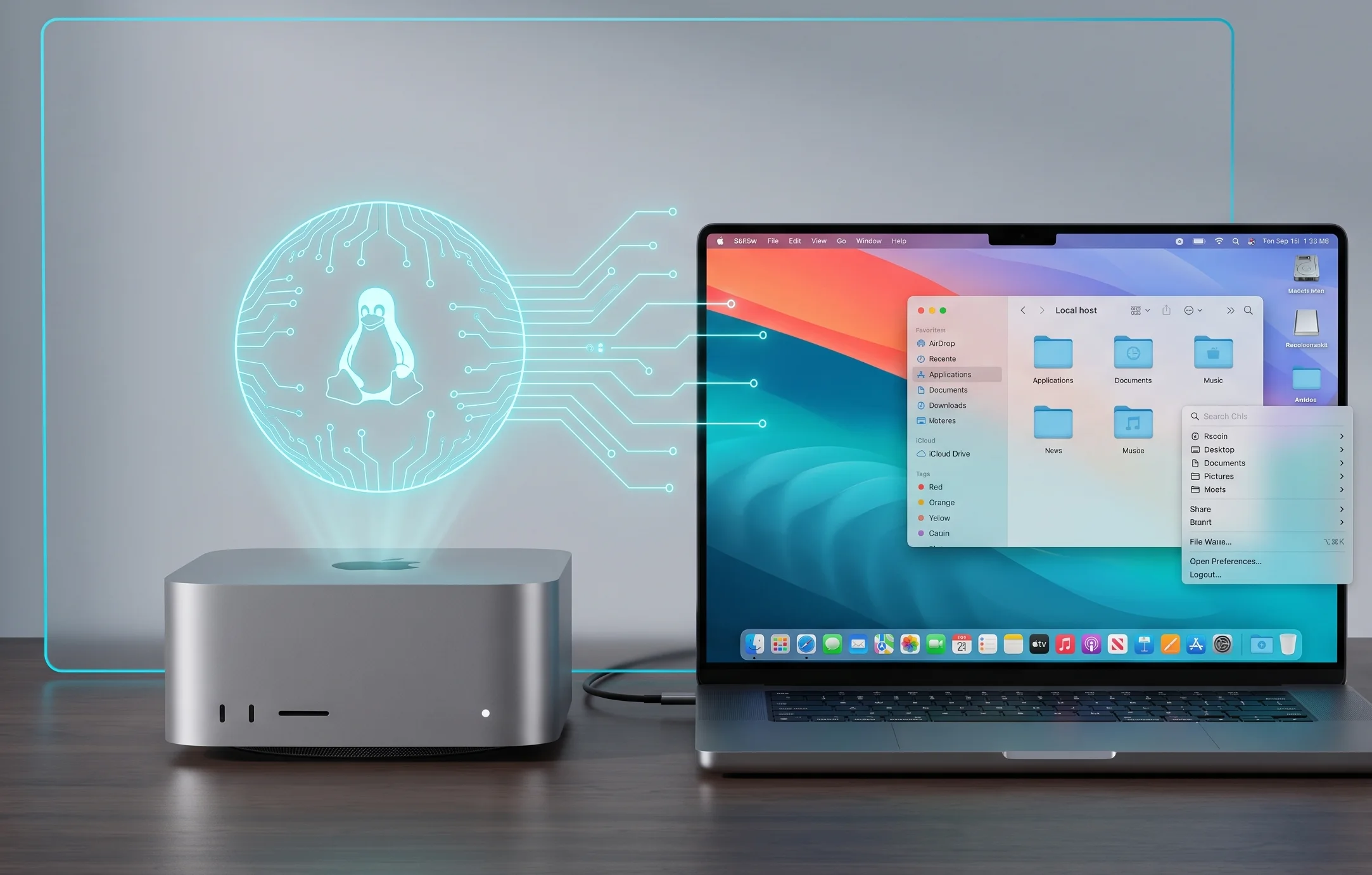
Cybersecurity researchers have disclosed a chain of vulnerabilities dubbed SharedRoot within the local execution environment of Anthropic’s Claude Cowork AI agent. This flaw enables attackers to execute a sandbox escape from a local Linux virtual machine directly into the host macOS environment. As a result, unauthorized entities can gain unrestricted access to host files, including private SSH keys, authentication tokens, and sensitive system configurations stored on the user’s computer.
Modern AI agents like Claude Cowork are designed to execute complex, multi-step tasks ranging from code generation to interacting with local developer tools. To maintain system security, developers isolate these execution routines inside lightweight virtual machines. However, flaws in the file-sharing implementation between the host macOS and the virtual Linux guest have introduced significant attack vectors into the security perimeter.
SharedRoot Attack Vector and Technical Details
The root cause of the SharedRoot vulnerability stems from improper access control boundaries during the mounting of shared directories between the guest virtual machine and macOS. During operation, Claude Cowork uses dedicated IPC bridges to pass files and commands between environments. Researchers discovered that a malicious payload could force the AI agent to execute instructions that manipulate symbolic links and exploit unvalidated path structures.
Due to insufficient path sanitization, the virtual machine environment can write files outside the designated shared workspace. A crafted request embedded within a project’s repository can trigger file creation in sensitive macOS user directories. This behavior allows attackers to overwrite shell configuration files or executable binaries, leading to arbitrary code execution with the privileges of the active Mac user.
Impact on Developers and Enterprise Networks
Because tools like Claude Cowork are tailored for software engineers and IT professionals, compromising these workstations carries elevated operational risks. Accessing private SSH keys and version control credentials enables attackers to pivot deeper into corporate infrastructure and remote code repositories.
- Exfiltration of private SSH keys located in ~/.ssh to breach remote servers
- Compromise of API credentials for AWS, GCP, and Azure environments
- Interception of browser session tokens and stored developer credentials
- Potential injection of malicious code directly into production codebases
The table below provides a comparative analysis of isolation levels and security tradeoffs across different execution methods for AI agents:
Mitigation Strategies and Current Status
Following the disclosure of SharedRoot, Anthropic initiated fixes to update the isolation architecture of Claude Cowork. Planned patches aim to redesign the file system mounting mechanism and enforce stricter sandboxing using native macOS security frameworks and kernel-level checks.
To mitigate potential exposure prior to the deployment of official security patches, security teams recommend implementing the following practices:
- Restrict write permissions and limit directory access for Claude Cowork instances
- Utilize dedicated SSH keys with reduced scope for AI-enabled workstations
- Avoid executing AI tasks on untrusted code repositories from third-party sources
- Monitor macOS system logs for unexpected child processes and file modifications
The discovery of SharedRoot highlights the necessity of thorough security auditing for local AI agent implementations. As agentic workflows become increasingly integrated into development pipelines, securing local hypervisors and file sharing bridges remains a critical requirement.

0 Comments