
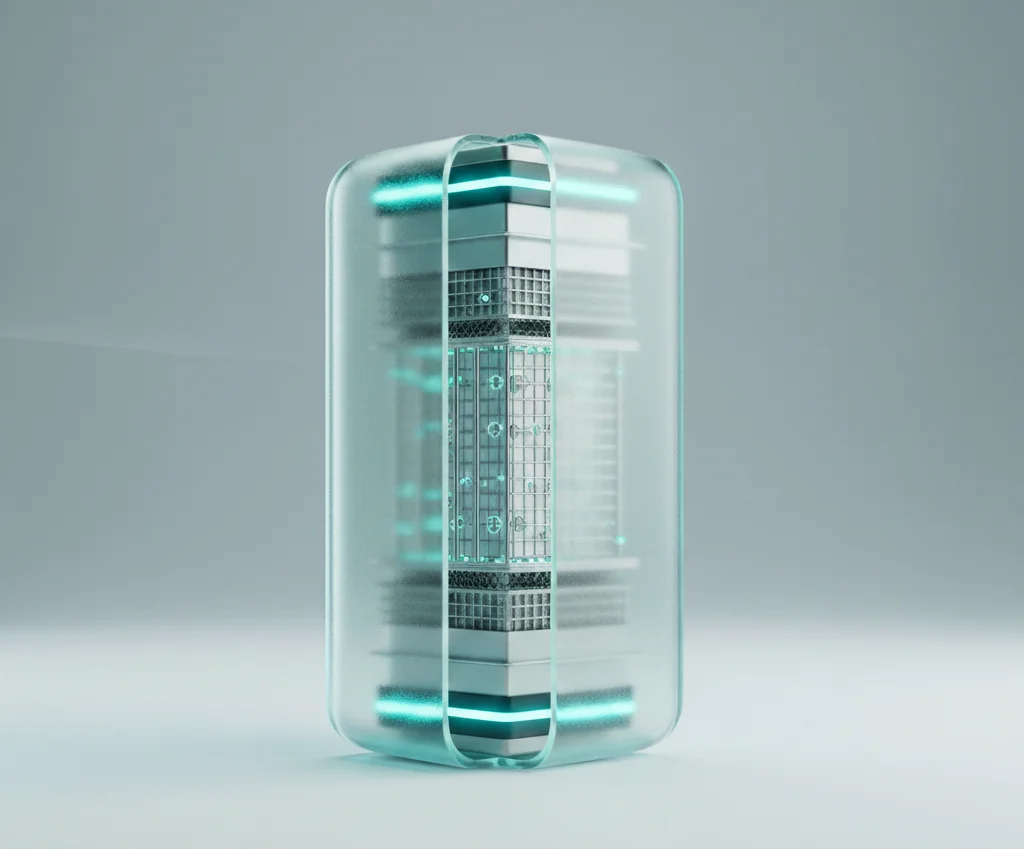
The world is on the cusp of an energy transformation, with the need for reliable and affordable energy storage growing every day. Recently, a group of researchers from China announced a significant breakthrough in the development of zinc-air batteries. This technology, long considered promising but unstable, has finally demonstrated performance that can shake the dominance of lithium-ion solutions.
Technological breakthrough in work stability
The main problem with zinc-air systems has always been their short lifespan. However, the new development has demonstrated the ability to operate for over 2,000 hours in continuous cycling mode. This achievement was made possible by the use of an innovative electrolyte and a specially designed air cathode, which minimizes the side chemical reactions that previously destroyed the battery from the inside.
- Using a non-aqueous electrolyte to prevent zinc corrosion.
- A new catalyst based on carbon nanomaterials.
- Improved anode structure that prevents dendrite growth.
Why zinc is better than lithium for large networks
While modern AI systems and smartphones rely on lithium, it is becoming too expensive for large-scale energy storage systems. Zinc is a metal that is much more abundant in the Earth’s crust. Its cost per unit of power is less than $10 per kilogram, while lithium remains a strategically scarce resource. Zinc-air systems are also much safer because they are not prone to spontaneous combustion.
Solving the dendrite problem
One of the biggest challenges for engineers was the formation of “dendrites” – microscopic sharp growths that sprout through the separator during charging and cause a short circuit. Chinese scientists used a method of dynamically controlling the anode surface. This allows for an even distribution of zinc ions, which ensures smooth metal deposition and extends the device’s life by thousands of cycles.
Environmental aspect and sustainable development
Switching to zinc-air batteries will significantly reduce the environmental footprint of production. Zinc mining is less energy-intensive, and the battery itself is almost 95% recyclable. This is critical for the development of solar and wind power plants, which require giant energy storage to balance the load on the grid at night or during calm weather.
Economics and the future of the market
According to experts, the introduction of this technology will reduce the cost of storing one kilowatt-hour of energy to below $50. For comparison, modern lithium analogues cost several times more. This opens the door to mass electrification even in countries with limited budgets. China is already preparing prototypes for industrial testing, which could make them leaders in the next generation of energy solutions.
Comparison with modern standards
It’s important to understand that zinc-air batteries won’t replace lithium in smartphones tomorrow. They have slightly lower peak power, which limits their use in devices that require fast delivery of high current. However, for stationary applications where price and safety are important, rather than instant acceleration, this technology is the absolute favorite. Studies show that energy conversion efficiency in new prototypes has exceeded 70%.
Conclusions and implementation prospects
The work of Chinese scientists proves that metal-air technologies are moving out of the laboratory walls and into the real world. By overcoming the barrier of 2000 hours of stable operation, zinc-air batteries are becoming a real contender for the title of the main storage medium for green energy. In the coming years, we will see the first commercial stations operating on this principle, ensuring stable and cheap electricity for everyone.

0 Comments