
The Limitations of Automation in Automotive Design
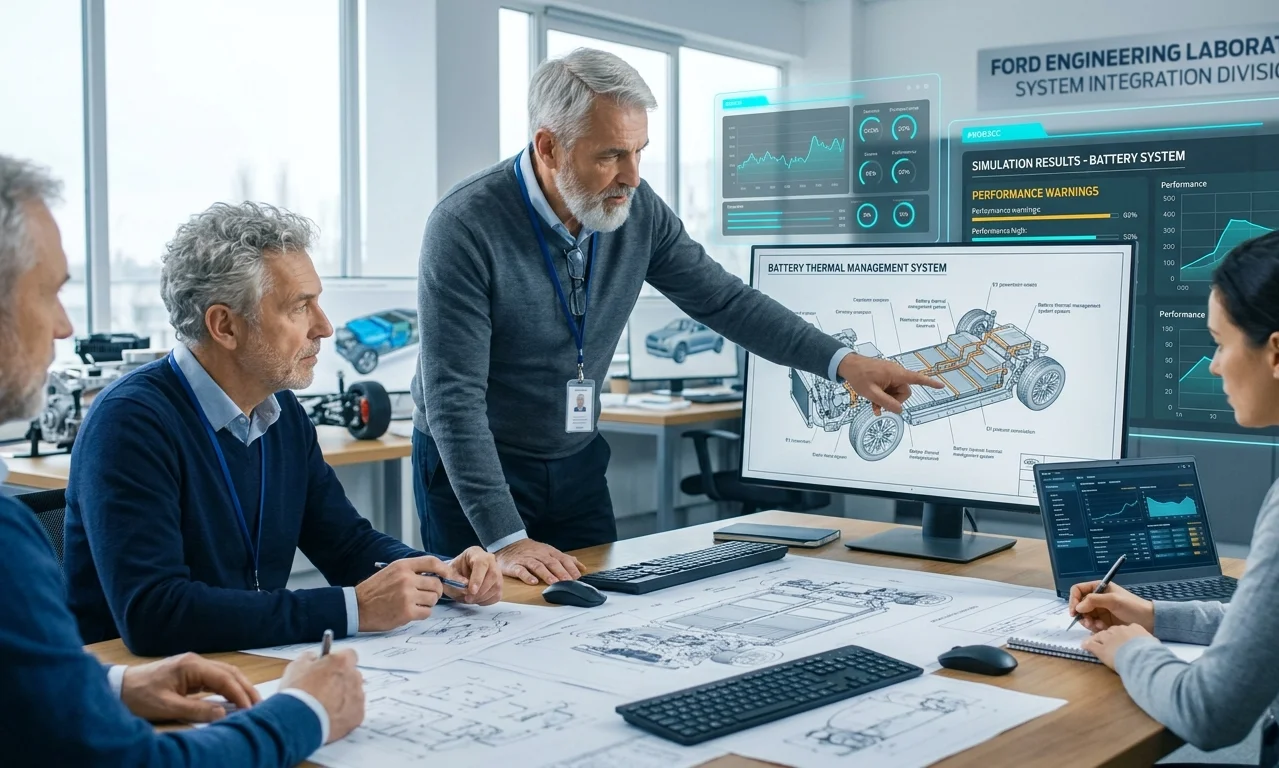
Automotive giant Ford has faced serious challenges when trying to fully rely on artificial intelligence systems for the development of complex components and systems. Digital models and generative algorithms, which were supposed to accelerate the launch of new models, failed to calculate physical wear, heat transfer, and vibration loads under real operating conditions. As a result, the company management decided to urgently rehire senior specialists with decades of practical experience.
The integration of AI into design processes led to systemic errors in technical documentation. Algorithms optimized parts for weight and cost but ignored the nuances of metal durability and conveyor assembly specifics. Computer simulations showed perfect results, but the first physical tests of prototypes revealed numerous defects, the elimination of which requires a classic engineering approach.
Why Generative Design Did Not Replace Human Experience
Modern artificial intelligence tools work based on historical data and specified mathematical parameters. They can sort through thousands of combinations of shapes and materials in minutes. However, AI lacks intuition and an understanding of the physical context that engineers refer to as the feel of the metal. Industry veterans can spot a critical error in suspension architecture or battery cooling systems at the sketch stage, simply relying on previous development experience.
The return of highly experienced specialists is designed to solve several key tasks:
- Auditing and correcting digital drawings created by neural networks
- Adjusting the logic of simulation stands for real road conditions
- Mentoring young specialists who know how to work with software but lack real production experience
- Reducing the risks of recalling finished vehicles due to hidden design flaws
Comparing the Efficiency of Approaches in Development
To understand the scale of the problem, it is worth looking at how the results of pure computer modeling differ from a hybrid approach involving experts.
Industry Implications and Ford Strategy联合
Ford’s decision demonstrates a paradigm shift in the automotive industry. Complete automation of development turned out to be premature. The company is forced to spend significant amounts in USD to attract highly paid consultants to eliminate schedule delays. Currently, specialists are working on optimizing the thermal modes of battery packs for new electric vehicles, where an automation error can cost millions of dollars.
Experts note that AI remains an excellent auxiliary tool for routine calculations. However, final control and architectural decisions must remain with humans. Investing in the return of experienced personnel will help Ford maintain reliability standards and avoid technological crises in the future.


0 Comments