
- Forced Software Deployment Security Risks and Technical Nuances of the New White House Directive
- Technical Features of the App and Automated Installation Mechanisms
- Comparative Risk and Functionality Analysis of the White House Corporate Software
- Political Context and Legal Contradictions of the New Decision
- Impact on Government IT Infrastructure
Forced Software Deployment Security Risks and Technical Nuances of the New White House Directive
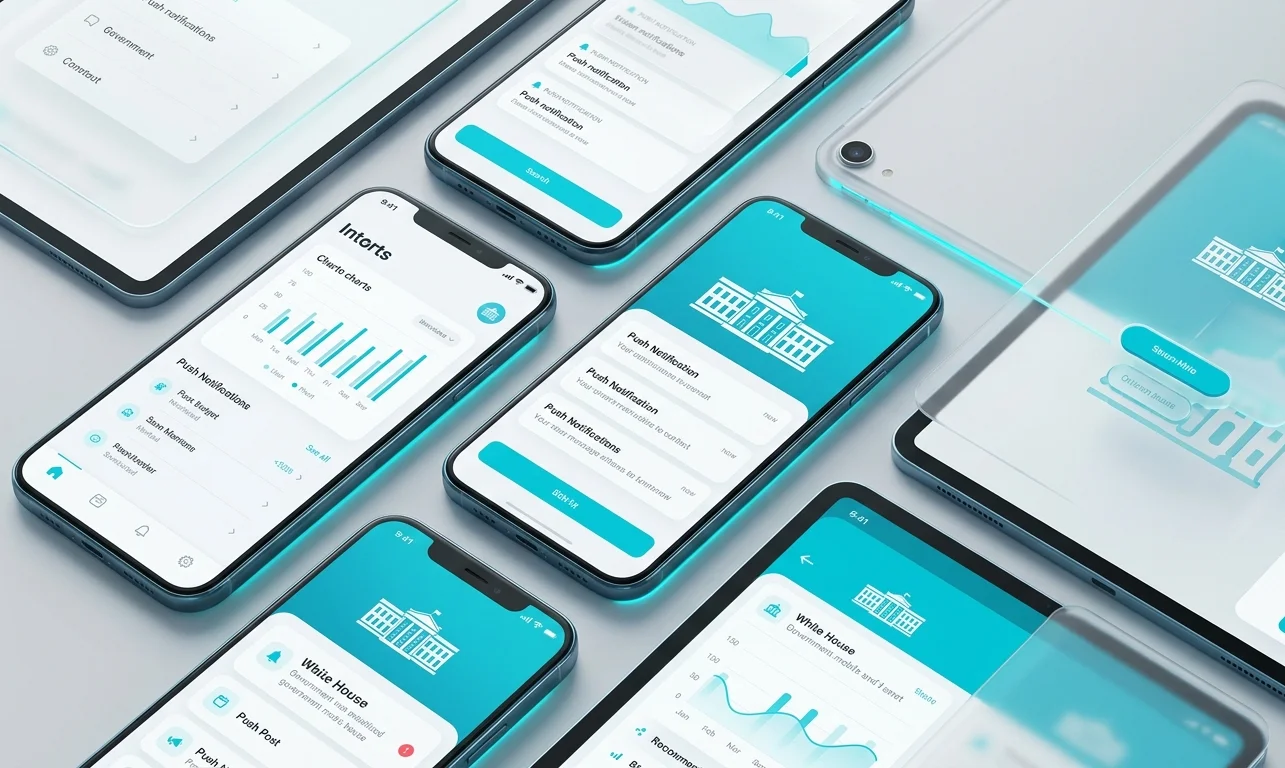
The US Presidential Administration has issued a new internal directive requiring government agencies to install the new official ‘The White House’ mobile application on all work smartphones and tablets of executive branch employees. IT departments of federal agencies including the Federal Aviation Administration have already begun the process of automated deployment of this software using Mobile Device Management (MDM) platforms. The process occurs completely automatically without requiring user consent or any action on their part which has sparked a serious debate among cybersecurity and data privacy experts.
The main goal of the application is declared to improve communication between the administration and civil servants provide timely updates on key decisions and offer direct access to official releases. However computer security experts point to potential hidden threats related to location tracking telemetry collection and the use of government resources for purposes that may border on political campaigning within the state apparatus.
Technical Features of the App and Automated Installation Mechanisms
The White House application is developed for two major mobile platforms iOS and Android. Since these are Government-Furnished Equipment (GFE) departments and agencies utilize specialized enterprise mobility management platforms. This allows security administrators to remotely install remove and update any software. Government employees do not have the technical ability to block this process or delete the application once it appears on their device screen.
According to preliminary technical analysis of the application’s source code and permissions the program requires access to several critical operating system functions
- Continuous background data refresh for instant push notifications.
- Access to location services officially to display regional news from the government administration.
- Collection of device identifiers and analytical data regarding app usage.
- Access to network connections and the ability to transfer data in the background.
Such a wide range of permissions for an application that is essentially a news and press release aggregator raises questions among corporate security professionals. Of particular concern is the collection of location data of employees holding sensitive positions or having access to state secrets as a leak of such information could pose a serious threat to national security.
Comparative Risk and Functionality Analysis of the White House Corporate Software
To better understand the situation it is useful to compare the parameters of standard information software and the new government application being deployed on US government employee devices.
Political Context and Legal Contradictions of the New Decision
Critics of the new White House initiative emphasize the legal aspects of forced software installation. Under US law government resources including government communications and official smartphones cannot be used for political campaigns or lobbying for a specific political party. Since the app broadcasts the direct rhetoric of the current Donald Trump administration there is a risk of violating the Hatch Act which clearly restricts the political activity of federal employees while on duty and using government property.
White House advocates and representatives dismiss these allegations stating that the app is solely a tool for internal communication and increasing the transparency of the executive branch. According to them the application helps avoid information distortion in the media and delivers the official position of the state leadership directly to executors on the ground. However human rights organizations are already preparing Freedom of Information Act (FOIA) requests to determine the exact list of data collected by the app and the mechanisms for its subsequent storage.
Impact on Government IT Infrastructure
For systems administrators of government networks this decision has created an additional burden. Integrating third-party software into secure environments requires conducting audits and adjusting existing privacy policies. Experts warn that creating a single application for all civil servants creates a so-called single point of failure. If hackers manage to compromise the update servers of this application or find a vulnerability in its code they could gain potential access to hundreds of thousands of official devices across the country.
Currently the deployment process is ongoing and the program will soon appear on the smartphones of all representatives of federal departments. The situation remains under close scrutiny by relevant Congressional committees and independent cybersecurity experts who are trying to assess the long-term consequences of this move for the digital security of state institutions.

0 Comments