
The Mechanism of Self-Destructing Thermoplastic Polyurethane
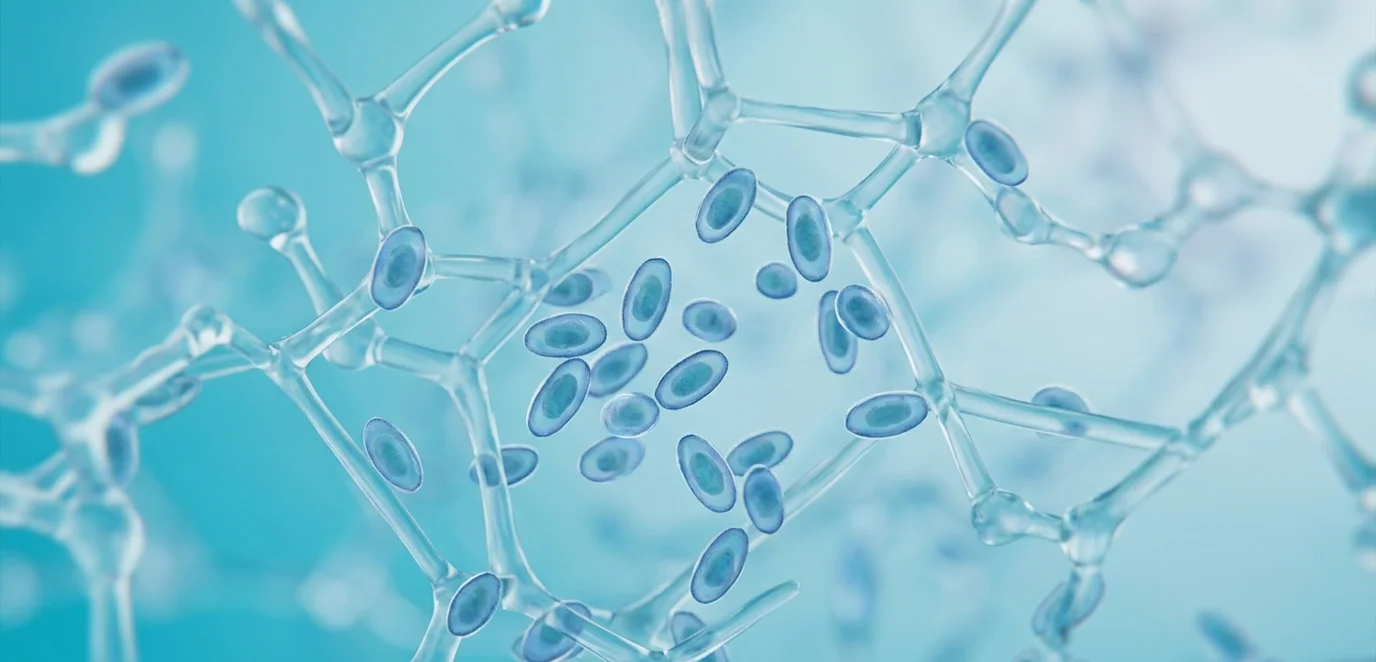
The accumulation of polymer waste in the global ocean and soil is forcing scientists to seek solutions at the intersection of materials science and synthetic biology. Researchers at the University of California, San Diego, have developed a material that is effectively a living organism in a dormant state. We are talking about thermoplastic polyurethane (TPU), in the structure of which spores of Bacillus subtilis bacteria are integrated.
Bacillus subtilis were not chosen by chance. These bacteria are known for their ability to survive in extreme conditions by forming spores resistant to high temperatures, pressure, and lack of nutrients. During the production of ‘living plastic,’ the spores are mixed with TPU granules, after which the material is melted at a temperature of 135 degrees Celsius. Traditional microorganisms would perish under such conditions, but Bacillus subtilis maintain viability in a state of cryptobiosis.
Activation of the Material Degradation Process
A key feature of the development is that the bacteria remain inactive throughout the entire life of the product. This is important for maintaining the mechanical properties of the material, such as tensile strength and elasticity. The research team found that the presence of spores even slightly improves the physical characteristics of polyurethane, acting as a reinforcing filler.
The self-destruct command is triggered by a change in the external environment. When the plastic ends up in a compost pile or nutrient-rich soil, the spores ‘wake up.’ Moisture and heat act as catalysts for the germination of bacteria, which begin to secrete specific enzymes – esterases and lipases. These enzymes break the chemical bonds in the polyurethane chains, turning a complex polymer into simple organic compounds.
Environmental Safety and Absence of Microplastics
One of the biggest threats of modern bioplastics is the formation of microplastics – small particles that do not disappear but only break down further. In the case of Bacillus subtilis, degradation occurs at the molecular level. The bacteria use the carbon contained in the plastic as an energy source. The end products of decomposition are carbon dioxide, water, and biomass, which do not pose a threat to the ecosystem.
Genetic modification of the bacteria allowed scientists to speed up the process even more. Using laboratory evolution methods, researchers bred a strain of Bacillus subtilis that produces enzymes with increased activity specifically toward polyurethane bonds. This allows for nearly complete degradation within five to six months in ordinary home compost, whereas conventional polyurethane can take decades to decompose.
Industrial Application Prospects
The use of Bacillus subtilis spores opens the way to creating a closed-loop manufacturing cycle. Since these bacteria are considered safe for humans and animals (they are often used as probiotics), such plastic can be used in the production of shoes, electronics cases, elements of sports equipment, and automotive parts.
The cost of integrating spores into the production process at this stage increases the price of the material by a few percent, which is acceptable for many brands striving for sustainability. However, the main challenge remains scaling the technology for use in other types of plastics, such as polyethylene or polypropylene, which have a more complex structure and require other types of decomposer bacteria.
The research demonstrates that integrating biological components into inorganic materials is not just an experiment, but a real survival strategy for a civilization drowning in waste. Combining the durability of polymers with the natural ability of microorganisms to recycle is the most promising path for the development of the modern materials industry.


0 Comments