
Increasing pressure control issues on the station
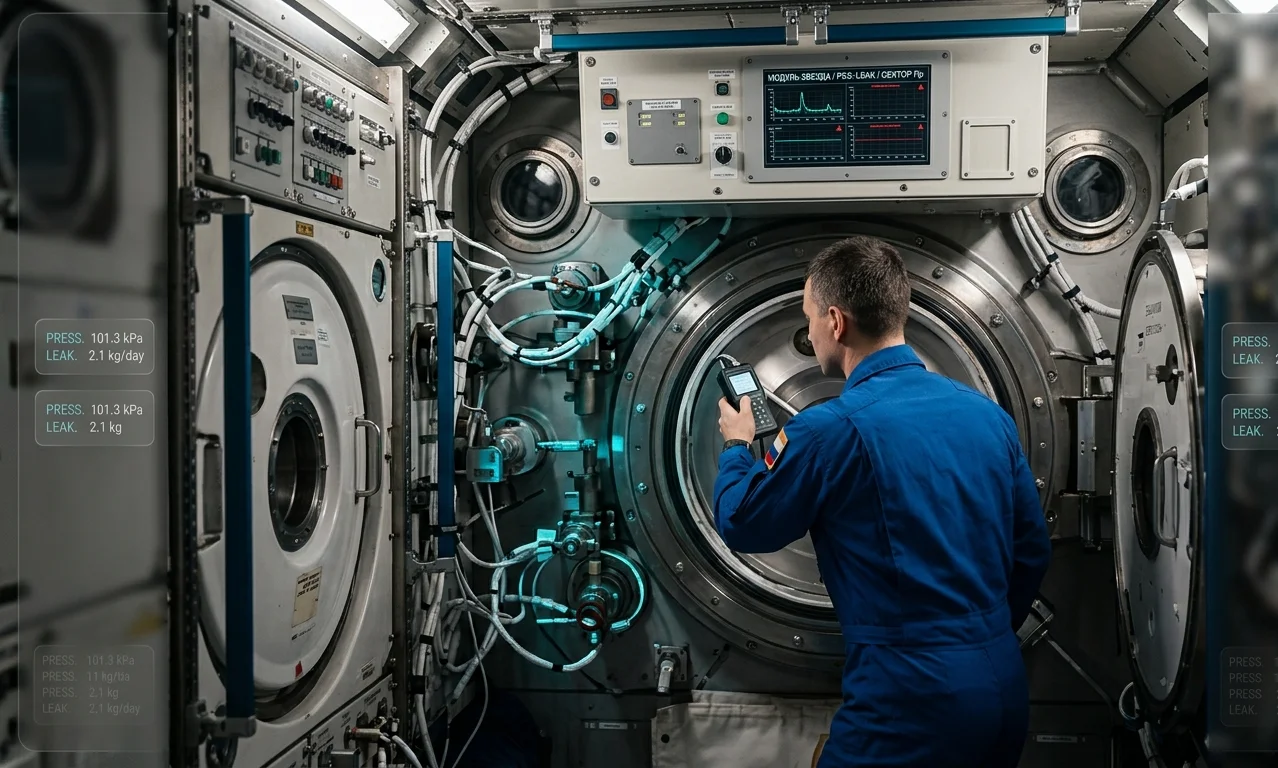
The situation on the International Space Station developed on Friday when the crew had to take emergency safety measures. An air leak in the Russian Zvezda module reached a level that forced astronauts to isolate themselves in a safe compartment to conduct necessary repairs and inspections. This highlights the technical challenges faced by the station’s operational team while managing aging nodes. Constant monitoring of the station’s status remains a priority task for ground control services.
Technical details of the incident
The Zvezda module, launched in 2000, has been showing signs of material fatigue for a long time. Specialists have recorded a steady increase in the air leak rate over recent months. Although these figures were previously considered controllable, Friday’s events indicate a change in the process dynamics. The crew followed standard depressurization protocols, closing hatches between station segments, which is a mandatory action to maintain pressure in other living compartments. Additional pressure checks are conducted regularly to assess structural integrity. Analysis indicates the need for a deeper study of the impact of micro-cracks on the overall safety of the module.
The situation requires constant monitoring, as finding micro-cracks in the module’s complex structure is an extremely laborious task. Astronauts use specialized equipment to localize leak sites, but the high density of communications and equipment significantly complicates access to problematic areas. Each sealing attempt requires time and precise calculation to ensure efficiency. Experience from past operations shows that even small holes can have serious consequences for maintaining the station’s atmosphere.
Impact on future operations
This incident again brings up the question of the ISS’s operational timeline. According to current plans, the station is expected to retire around 2030, but such technical failures may become a catalyst for revising these dates or changing maintenance strategies. Crew safety is the main priority for NASA and its partners, so any threat to airtightness automatically shifts the station into a mode of enhanced control. Discussions about the future of orbital stations are becoming increasingly intense in scientific and governmental circles. Continued operation requires a thorough analysis of resources and the technical condition of each module to avoid critical failures in the future.



0 Comments