
Transport & Energy
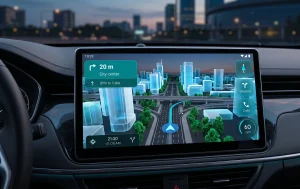
Android Auto updates Google Maps with 3D navigation
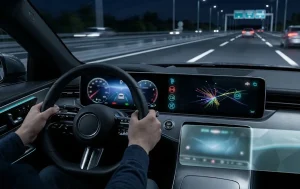
First Level 4 robocar tested on EU highways without AI
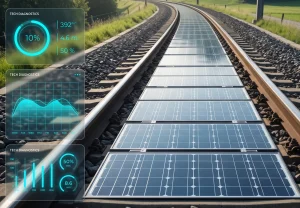
Solar panels on railways – Italy adopts new technology
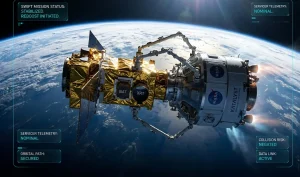
NASA Collaborates with Katalyst Space Technologies to Develop Swift Observatory Rescue Plan
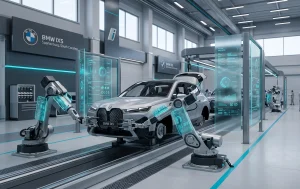
BMW Group Completes 1.7 Billion Dollar US Plant Upgrade for EV Production

New DEER Electrochemical Method Restores Degraded Lithium Batteries to 95 Percent Capacity
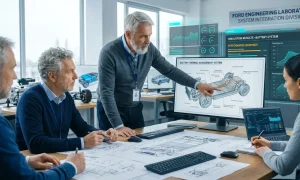
Ford Rehires Experienced Engineers After AI Fails to Deliver
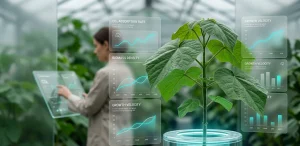
Paulownia – How Empress Tree Reshapes Bioenergy
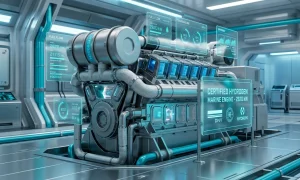
First certified marine hydrogen engine rated at 2670 kW
Tesla on Autopilot crashes into Texas home killing a woman
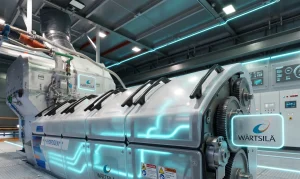
Spain Launches World First Large Pure Hydrogen Generator
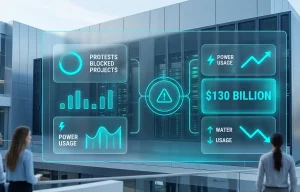
US Loses AI Infrastructure as Massive Data Center Protests Block 130 Billion Dollars in Projects
Transport Technologies
Synergy of Transport and Energy in the Modern World
Human development is inextricably linked to the ability to move goods and passengers, as well as access to reliable energy sources. Today, these two industries are undergoing a global transformation, merging into a single ecosystem. Transport electrification is becoming the main driver of change, requiring updates to energy infrastructure and the search for new methods of electricity storage. Understanding these processes allows us to assess how our cities and daily habits will change in the near future.
Energy efficiency is becoming a priority not only for industrial giants but also for private households. The implementation of smart energy management systems allows for optimizing costs and reducing grid load. We analyze technological solutions that make travel faster and resource use more rational, ensuring the sustainable development of society.
Key Innovation Areas
Modern research focuses on these critical aspects:
- Development of infrastructure for fast charging of electric vehicles
- Implementation of hydrogen fuel cells in heavy transport
- Energy recuperation systems during braking
- Autonomous logistics systems and self–driving technology
- Integration of renewable energy sources into transport networks
Electromobility as a New Standard
Transitioning to electric drive is not just a change in engine type, but a complete reassessment of the automobile concept. Modern electric cars offer high levels of comfort, dynamics, and safety, while requiring new approaches to maintenance. A vital role is played by the development of battery technologies that allow for increasing range and reducing time spent at charging stations. We examine in detail the technical features of various models and the development of networks that make using green transport convenient for everyone.
In addition to private cars, active electrification affects public transport and commercial logistics. Electric buses and vans can significantly improve the ecological situation in metropolises. The use of intelligent route planning systems combined with energy–efficient engines creates prerequisites for the functioning of smart cities where transport flow is regulated by real–time algorithms.
Energy Security and Alternative Sources
Reliability of energy supply is key to the stable operation of transport systems. The development of solar and wind generation allows for the creation of local microgrids that can operate autonomously. This is especially important for remote regions and critical infrastructure objects. We explore how energy storage technologies, such as high–capacity lithium and solid–state accumulators, help balance consumption and generation.
The future of energy is also linked to digital management. Smart Grid technologies allow networks to automatically adapt to load changes, ensuring maximum stability. Studying these innovations helps understand how the modern energy landscape is shaped and what benefits it brings to the final consumer. Explore the world of the latest technologies with us to keep up with solutions that make our lives more mobile, safe, and ecological. Every technical breakthrough in this area brings us closer to the era of clean energy and intelligent movement.