
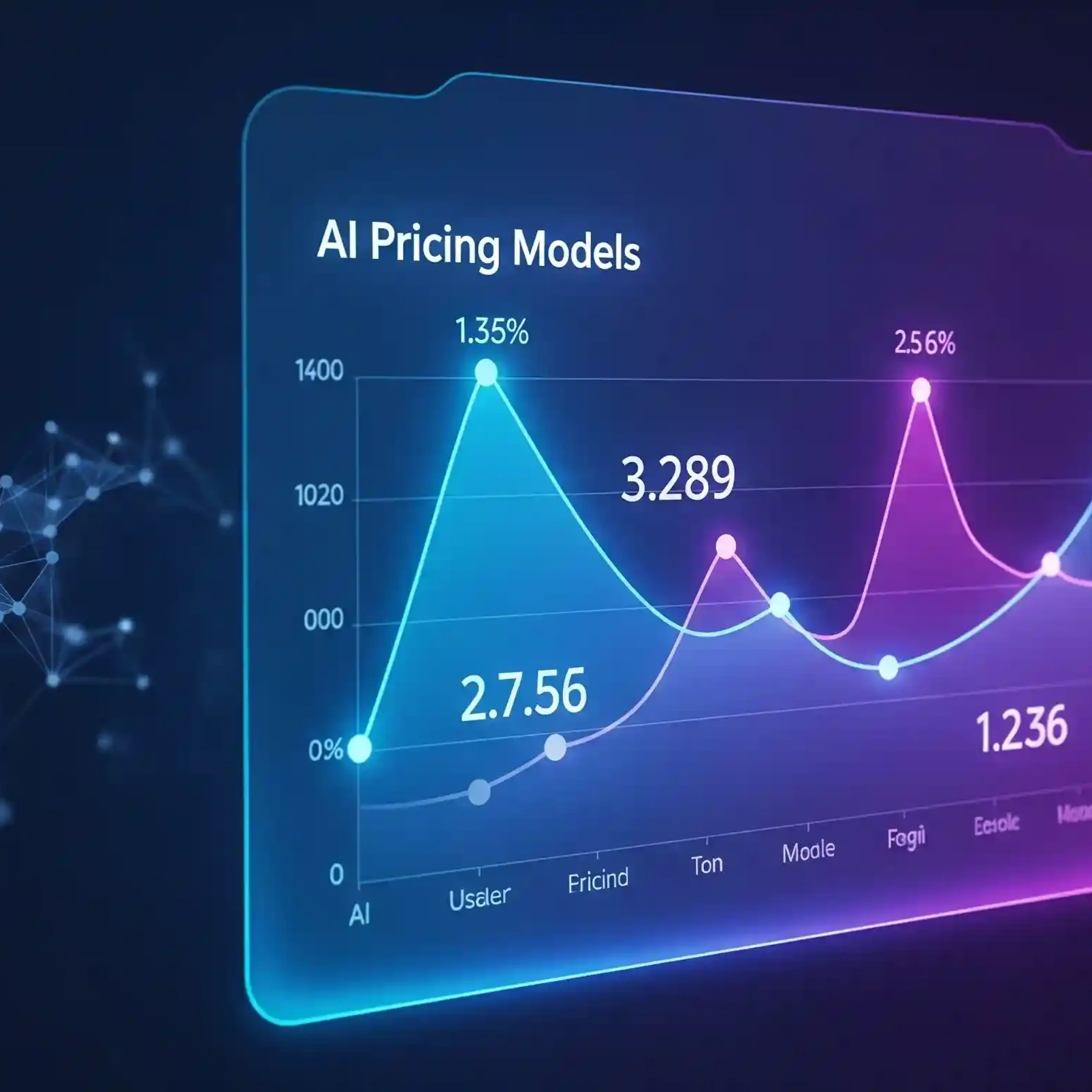
In the world of artificial intelligence, it’s not just progress in model development that matters, but also transparency around their use. Google recently took an important step to address the needs of developers and businesses by clarifying usage limits and pricing for its Gemini models. This long-awaited update allows for better cost forecasting and planning for Google Gemini, making the platform more attractive for both commercial and non-commercial use. Now that these rules are clear, the community can confidently harness the potential of this powerful AI.
Detailed tariffs: what has changed?
Previously, many users noted that usage limits were unclear, creating certain risks when launching projects. With the new update, Google has introduced a clear pricing structure. For the Gemini Pro model, the company offers a generous free plan, allowing you to test projects without financial commitment. Once the limit is exceeded, you are charged based on the number of tokens processed. This gives developers the opportunity to scale their solutions without worrying about unexpected costs.
For the flagship Gemini 1.5 Pro model, Google has also clarified pricing plans that include expanded contextual windows and multimodal capabilities. This pricing transparency allows startups and large corporations to budget for integrating AI into their products. The availability of various usage levels, from free to commercial, makes the Gemini API accessible for a wide range of tasks.
How will this affect commercial use?
For businesses, especially AI startups, accurate cost data is critical. Clearly defined limits and tariffs allow companies to better plan their cash flows and avoid unexpected expenses. This lowers the barrier to entry for small teams, who can now experiment with cutting-edge models without committing large budgets at the outset. API transparency also fosters greater trust in the platform.
In light of growing competition in the AI market, Google’s move is strategically important. Instead of keeping users in the dark, the company is opening up its data, spurring innovation. Commercial use of Gemini will become more predictable, enabling companies to create products that would previously have been financially risky. This will undoubtedly accelerate the integration of AI into various fields, from software development to business process automation.
Gemini Pro and Gemini 1.5 Pro: Key Differences
Although both models belong to the Gemini family, they have significant differences that affect their commercial use. Gemini Pro is faster and ideal for tasks requiring instant responses, such as chatbots or automated text generation. It features a standard context window. The new usage limits for this model are designed for high-frequency queries, making it suitable for high-volume projects.
Gemini 1.5 Pro, on the other hand, has a much larger context window. This allows for analyzing large volumes of information simultaneously, including video, audio, and long documents. This makes it indispensable for complex tasks such as summarizing long reports, analyzing video content, or working with large databases. Pricing for this model reflects its unique capabilities, but for many companies working with big data, its capabilities justify the cost.
New policies, new opportunities
Clarifying these limits isn’t just a price change. It’s evidence that Google is ready to compete in the AI market, providing developers not only powerful tools but also transparent and fair working conditions. This step could accelerate the adoption of artificial intelligence in new areas and foster innovation. The ultimate beneficiaries of this policy will be everyone, as Gemini-based products will become more advanced.
Results
- The new rules make the Gemini API more understandable for developers.
- Flexibility: There is a free plan that allows you to test AI projects.
- Predictability: Clear usage limits help businesses avoid unexpected costs.
- Competitiveness: The new policy is a response to the growing artificial intelligence market.
- Scalability: Gemini models are now easier to integrate into commercial use at various levels.



0 Comments