
The Problem of Lithium-Ion Battery Degradation and the Search for Solutions
The widespread use of lithium-ion batteries in mobile electronics, energy storage systems, and electric vehicles is accompanied by the inevitable process of their degradation. Over time, chemical components within the power cells lose their ability to hold a charge efficiently. The main cause of this is the formation of a solid electrolyte interphase (SEI) layer on the electrode surface, which gradually thickens, blocking the movement of lithium ions and binding the active material. Traditional approaches to resolving this issue are usually limited to complete recycling, involving mechanical shredding of batteries and complex hydrometallurgical or pyrometallurgical processes to extract individual metals. However, such methods are energy-intensive and economically costly.
A research team from Cornell University has proposed an alternative approach, developing a direct electrode regeneration method called DEER (Direct Electrode Electrochemical Regeneration). This technology aims to restore the performance characteristics of spent batteries without the need to destroy their physical structure. Implementing such solutions significantly extends the life cycle of existing power sources and reduces the need for mining new raw materials such as lithium, cobalt, and nickel.
The Mechanism of DEER Technology and Electrode Cleaning Stages
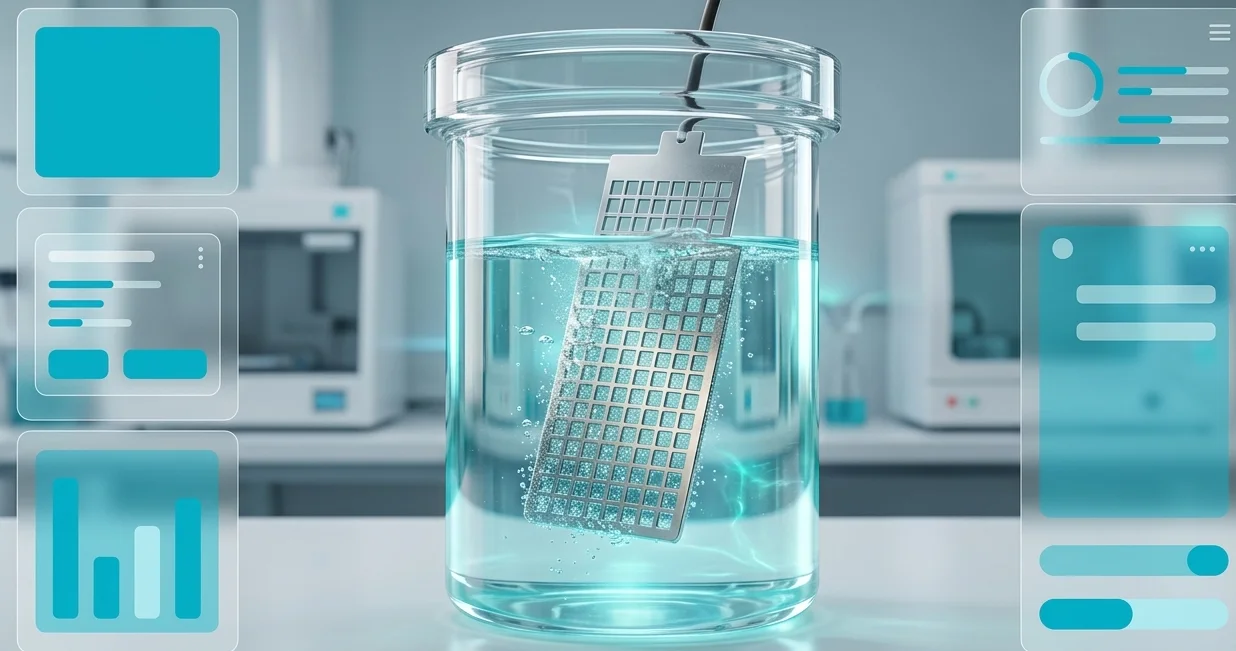
The proposed method is based on the use of a specialized electrochemical bath where the dismantled electrodes of a worn battery are placed. The recovery process consists of several consecutive stages aimed at removing the effects of degradation and stabilizing the material structure. During the immersion of the electrode in the liquid solution, a controlled electrical current with precisely defined parameters is applied. This initiates reverse chemical reactions that dissolve the excess passivating layer formed over years of accumulator operation.
In addition to cleaning accumulated lithium compounds that hindered conductivity, the technology involves the simultaneous application of an ultra-thin protective coating. This artificial layer acts as a barrier that minimizes further destructive interaction between the electrode and the electrolyte during future charge and discharge cycles. As a result of this combined effect, the internal resistance of the component decreases, and its original electrochemical properties return to the baseline level.
Laboratory Testing Results and Capacity Recovery
During a series of experiments, the developers tested the technology on commercial lithium-ion cells that had undergone a long cycle of operation and lost a significant portion of their working capacity. After completing the electrochemical regeneration procedure in the bath, measurements recorded the return of battery capacity to 95 percent of the nominal rating of a new product. This indicates the high efficiency of removing passivating deposits and restoring ion mobility within the structure.
An important aspect of the study was investigating the durability of the restored elements. Subsequent cycling tests showed that the modified electrodes demonstrate stable performance and are not prone to accelerated degradation immediately after the procedure. The applied protective coating allows the battery to withstand hundreds of new cycles with minimal losses in energy efficiency, bringing their secondary service life closer to the performance of standard factory batteries.
Economic Prospects and Industry Integration
The transition from laboratory conditions to large-scale industrial implementation requires solving several technical tasks related to automating the disassembly of battery packs. Since modern batteries for electric vehicles and energy storage systems have a complex monolithic construction, direct access to the electrodes is difficult. However, according to analysts, the development of a repair-friendly battery architecture combined with the DEER method could significantly alter the economics of the secondary energy market.
Reducing capital costs for restoring lithium cells compared to purchasing new ones will ease financial pressure on the commercial transport and renewable energy sectors. Instead of expensive disposal procedures, enterprises will be able to utilize local regeneration stations, minimizing logistical costs for transporting hazardous waste. This creates the prerequisites for forming a closed-loop production cycle with significantly less dependence on price fluctuations on raw material exchanges.



0 Comments