
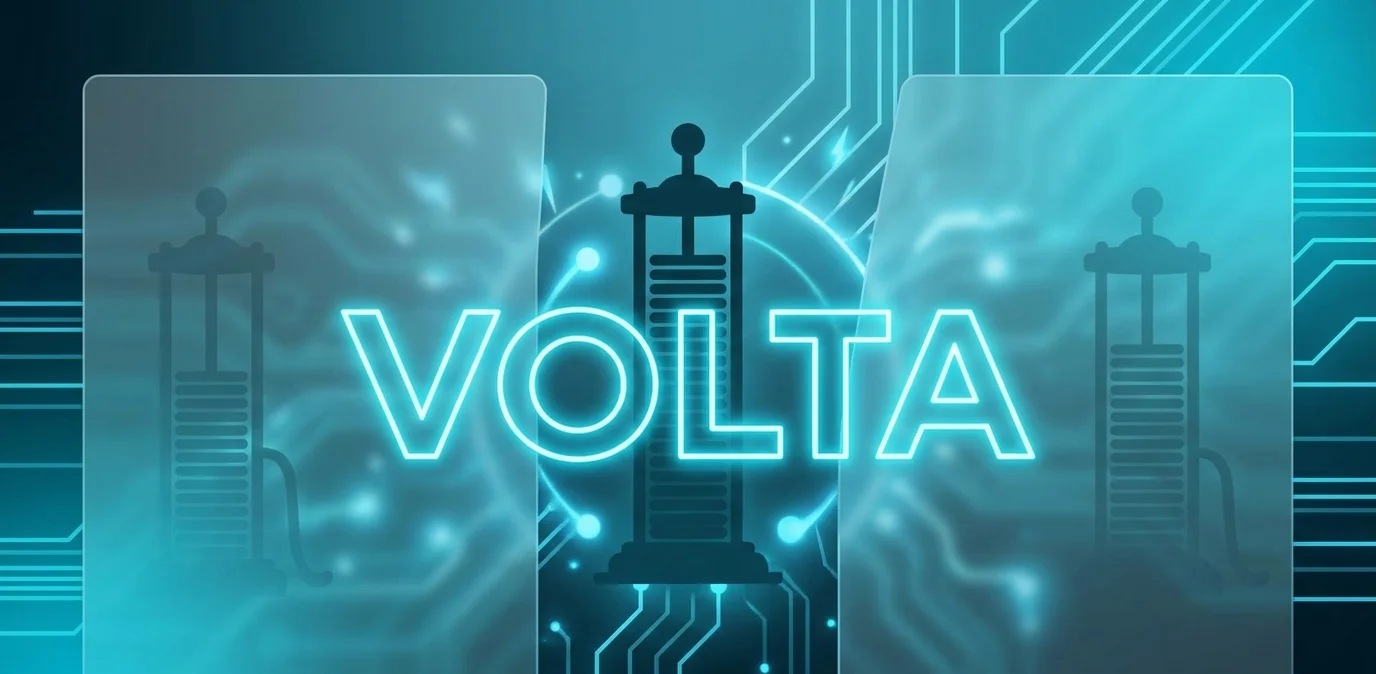
The history of a truncation how an Italian physicist lost a letter in English science
The International System of Units SI is built upon the surnames of prominent scientists yet the integration of these names into English terminology has not always occurred with full respect for the original language. A striking example is the unit of measurement for electrical voltage and electromotive force. Count Alessandro Giuseppe Antonio Anastasio Volta created the world first chemical power source and direct current battery but during the approval of the term his surname was shortened.
The Italian government has officially approached the International Bureau of Weights and Measures BIPM with a proposal to restore the final vowel sound to the name of the voltage unit. According to the initiators of the reform this is not merely a linguistic whim but an important step toward restoring historical and cultural justice regarding the scientist legacy.
Italian arguments and the diplomatic context
Official Rome emphasizes that the Anglo-centric nature of modern science has led to the distortion of many historical names. In the case of Alessandro Volta the Italian surname underwent an elision which somewhat detaches the unit of measurement from its actual inventor. The initiative provides for a transitional period for the domestic market followed by a gradual introduction of the issue at the global level.
To understand the current structure of derived SI units related to electricity and magnetism it is useful to review the existing standards that have remained unchanged since the nineteenth century.
As the analysis shows most names underwent certain transformations or truncations during integration into international standards. The French and German scientific communities also raised objections in their time regarding the adaptation of surnames to English phonetics but the Italian Ministry of Culture is the first to turn this matter into an official political agenda.
Technical and logistical challenges of global renaming
Any change in the International System of Units entails colossal financial and administrative costs. This is not simply a matter of replacing a few letters in physics textbooks for high schools. It involves restarting the global certification system for metrological equipment updating technical documentation of industrial giants and revising software systems.
Modern measuring equipment from industrial multimeters to oscilloscopes and automated process control systems has strictly fixed interfaces. Updating the firmware of millions of devices worldwide is a practically impossible task that could lead to a legal vacuum in legal metrology.
Impact on standardization and digital systems
- The need to update billions of pages of technical documentation specifications and patents worldwide.
- Risk of confusion in databases where changing the code or abbreviation of a unit of measurement could break data architecture.
- Reissuing international ISO and IEC standards that govern the design of electrical grids.
- Financial burden on instrument manufacturers due to the need to certify new scales and interfaces.
- Potential synchronization errors in automated industrial software packages.
International law experts note that even with the full consent of all member states of the Metre Convention the process of fully adapting the world economy to the new term would take at least two decades. Currently the International Bureau of Weights and Measures has established a working group to assess the potential economic risks of this reform.
Cultural aspect versus the pragmatism of metrologists
The conflict between preserving historical heritage and practical expediency is at the heart of this discussion. For Italy restoring the authentic sound of Volta surname is a matter of national prestige. At the same time practical engineers around the world express skepticism because the current terminology is familiar and highly stable.
Despite the complexity of implementation the very fact that such a discussion has begun indicates a shift in approaches to the formation of scientific terminology where the national interests of the countries that created fundamental science are starting to carry more weight than convenient Anglo-centric pragmatism.



0 Comments