
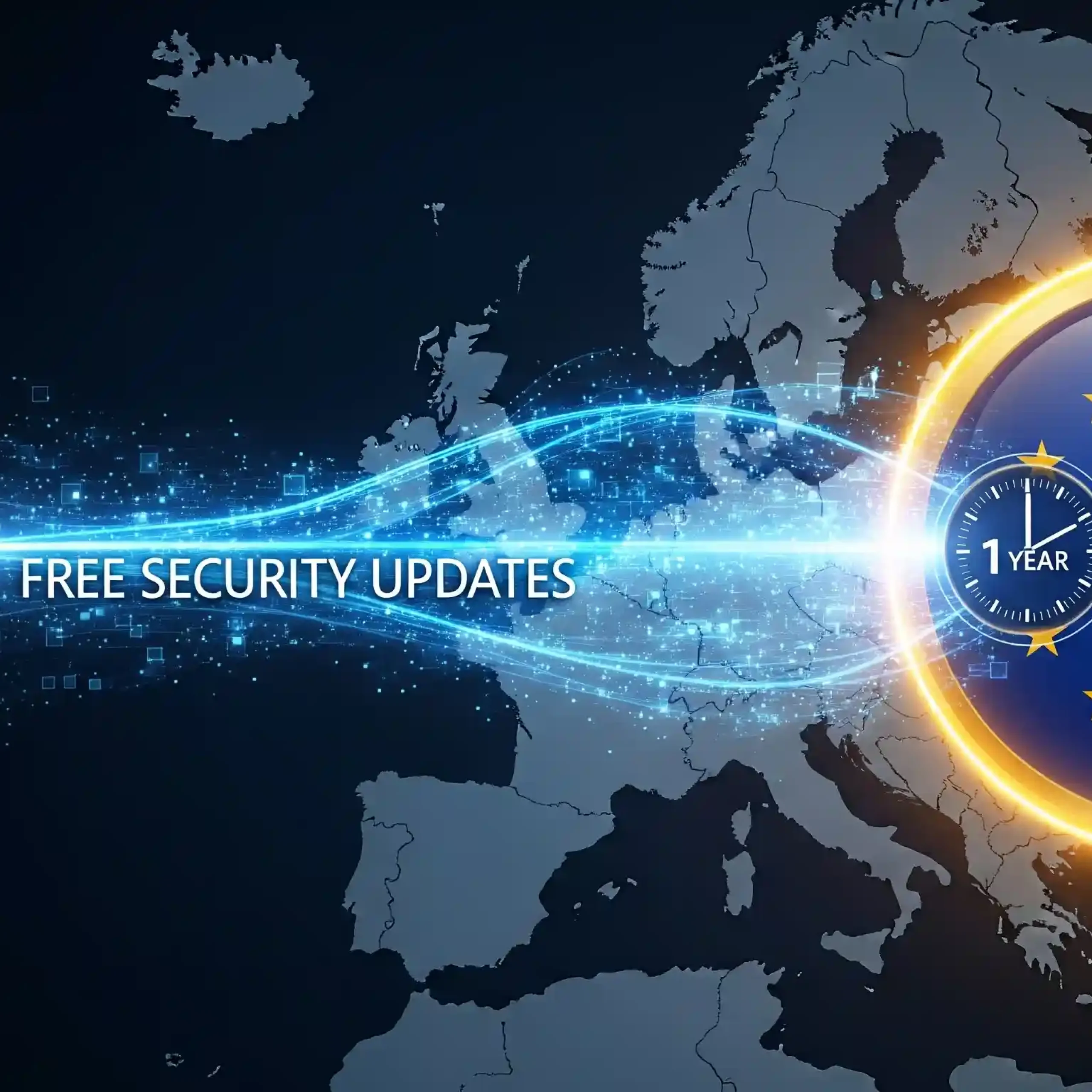
Microsoft surprised millions of users still running Windows 10 by announcing an unprecedented policy change. Users in the European Economic Area (EEA) will receive an additional year of free security updates, a significant departure from the original plan, which called for a fee or the fulfillment of certain conditions. This decision follows significant pressure from European regulators and consumer organizations, a trend that is becoming increasingly common in the tech industry.
End of Support and Paid Transition: Microsoft’s Original Plan
The official end of support date for most versions of Windows 10 remains unchanged-October 14, 2025. After this date, regular users outside of Europe will be without critical security updates, leaving their devices vulnerable to cyberattacks. To continue protecting their devices, Microsoft has introduced the Extended Security Updates (ESU) program with the following terms:
- Payment: Purchase the first year of upgrade for $30.
- Redeem: Redeem 1,000 points in Microsoft Rewards.
- Synchronizing data with OneDrive cloud storage often required purchasing additional storage.
The European Digital Markets Act (DMA) as a key to change
In Europe, this policy has faced fierce criticism. Euroconsumers and other regulators have expressed concern that requiring updates to be tied to paid services like OneDrive violates the Digital Markets Act (DMA). This law, which came into force in March 2024, is designed to ensure fair competition and prevent large tech companies, known as gatekeepers, from exploiting their dominant position to push their services.
It was Article 6(6) of the DMA, prohibiting “tying,” that became the legal basis for pressuring Microsoft. The company, seeking to avoid multi-billion dollar fines (up to 10% of its annual global turnover), was forced to make concessions, providing access to ESU for the first year completely free and without additional conditions for users in the EEA.
What does this mean for Windows 10 users in Europe?
Extra time and protection
For the 22% of European computers still running Windows 10, this decision is a significant relief. Many of these devices do not meet the minimum system requirements for upgrading to Windows 11, and replacing them could be financially burdensome. An additional year of free support will give users time to decide whether to upgrade their hardware or switch to a paid model after October 14, 2026.
Limitations and next steps
It’s important to remember that these are security updates only. Users won’t receive any new features, and performance and stability won’t be improved. Also, only the first year will be free. Updates for the second and third years of ESU will remain paid, as they are for users in other regions.
To access free updates, users will need to manually register for ESU. This will not happen automatically. Microsoft will provide registration instructions closer to the end of standard support.
Broader context: Europe as a driver of change
This precedent demonstrates how European legislation influences global tech giants. Just as the DMA forced Apple to open the App Store and ensure messaging app compatibility, it is now forcing Microsoft to change its software policies. This underscores the growing role of the European Union as a regulator of digital markets and a protector of consumer rights in the digital age.



0 Comments