
A New Vector in Smart Home Wireless Technology Development
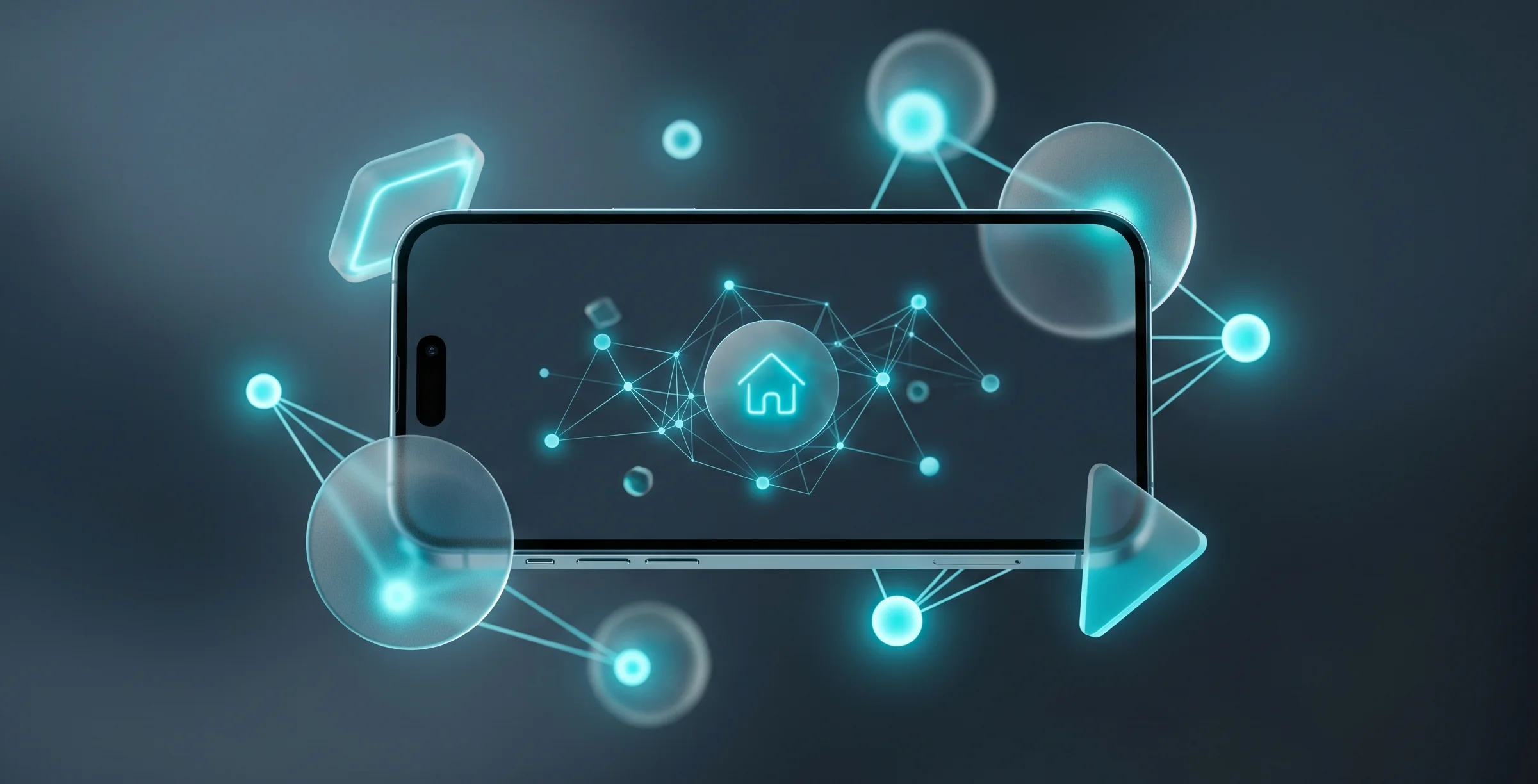
The Thread Group organization has officially announced a major update to its wireless network protocol by presenting the Thread 2.0 specification. The main change in the new standard is a technology called Thread Direct, which is designed to eliminate one of the most critical flaws in the current Matter smart home ecosystem. This refers to the complexity of the initial connection of peripheral devices, which has long discouraged average users and slowed down the mass adoption of automation technologies.
Until today, to activate any peripheral execution device operating via Thread in a local home network, a so-called border router or Thread Border Router had to be present. This role is typically performed by stationary smart speakers, media streaming boxes, or specialized hubs from leading technology brands. With the arrival of the new specification, this architectural requirement undergoes significant changes, greatly simplifying interaction with wireless infrastructure during deployment.
How the Direct Connection Architecture Works
The essence of this engineering solution lies in enabling direct communication between a controlling mobile device, such as a modern smartphone, and an endpoint peripheral sensor or actuator. Thanks to the implementation of specialized protocol stacks, the phone can create a secure temporary communication channel directly with the new hardware. This allows the transmission of security certificates, network keys, and configuration parameters without intermediate transit through a home server or router.
The initial initialization process now resembles the familiar operation of Bluetooth accessories but retains all the security and range advantages of a full-fledged mesh protocol. The smartphone acts as a temporary coordinator that transmits the necessary authorization data to the device for subsequent autonomous operation. After completing the procedure, the device receives a legitimate status in the local structure and can interact with other network components.
Technical Changes and Technology Limitations Analysis
Despite the significant simplification of the initial launch procedure, the Thread Direct architectural model has clearly defined engineering boundaries. Composed rejection of stationary hubs within the Matter standard remains impossible due to the fundamental characteristics of energy-efficient wireless networks. Direct connection from a smartphone solves exclusively the problem of local onboarding, while old rules remain valid for daily operation.
It is important for users to understand the distribution of functions between the mobile terminal and the stationary smart home infrastructure after the specification update:
- Initial deployment and security verification are performed directly via the radio module of the mobile handset.
- Remote control from outside the home Wi-Fi network still requires a permanent coordinator.
- Complex automation scenarios, timers, and interaction between sensors from different manufacturers are processed via a Border Router.
- Autonomous devices like wireless motion sensors or motorized blinds switch to energy-saving mode and require a constant link with a parent mesh network node.
- Smartphones cannot act as permanent routing nodes due to battery limitations.
Thus, if a user decides to purchase a single compatible smart device for local testing, they no longer need to incur additional financial costs to buy an expensive media hub or proprietary gateway. This significantly lowers the barrier to entry for enthusiasts and optimizes expenses during targeted smart home upgrades.
Comparative Analysis of Smart Device Configuration Stages
Hardware Integration Prospects
The main challenge for the successful implementation of the second version standard is the current state of the consumer electronics market. To fully utilize the direct connection feature, the mobile device must have an integrated radio chip that supports operations on the frequencies of this standard. Currently, only a limited number of flagship smartphones from leading manufacturers are equipped with the appropriate hardware components. The situation is expected to change with the release of new generations of processors, where mesh technology support will become an industry standard for mobile platforms.
Software developers are also preparing updates for operating systems to ensure native support for direct communication at the kernel level. This will allow integrating management directly into the built-in smart home utilities of major tech companies without the need to install third-party software from specific hardware vendors. Full certification of the first commercial products supporting the new architecture is expected to be finalized by the end of this year, after which mass firmware updates for existing devices will begin.

0 Comments