
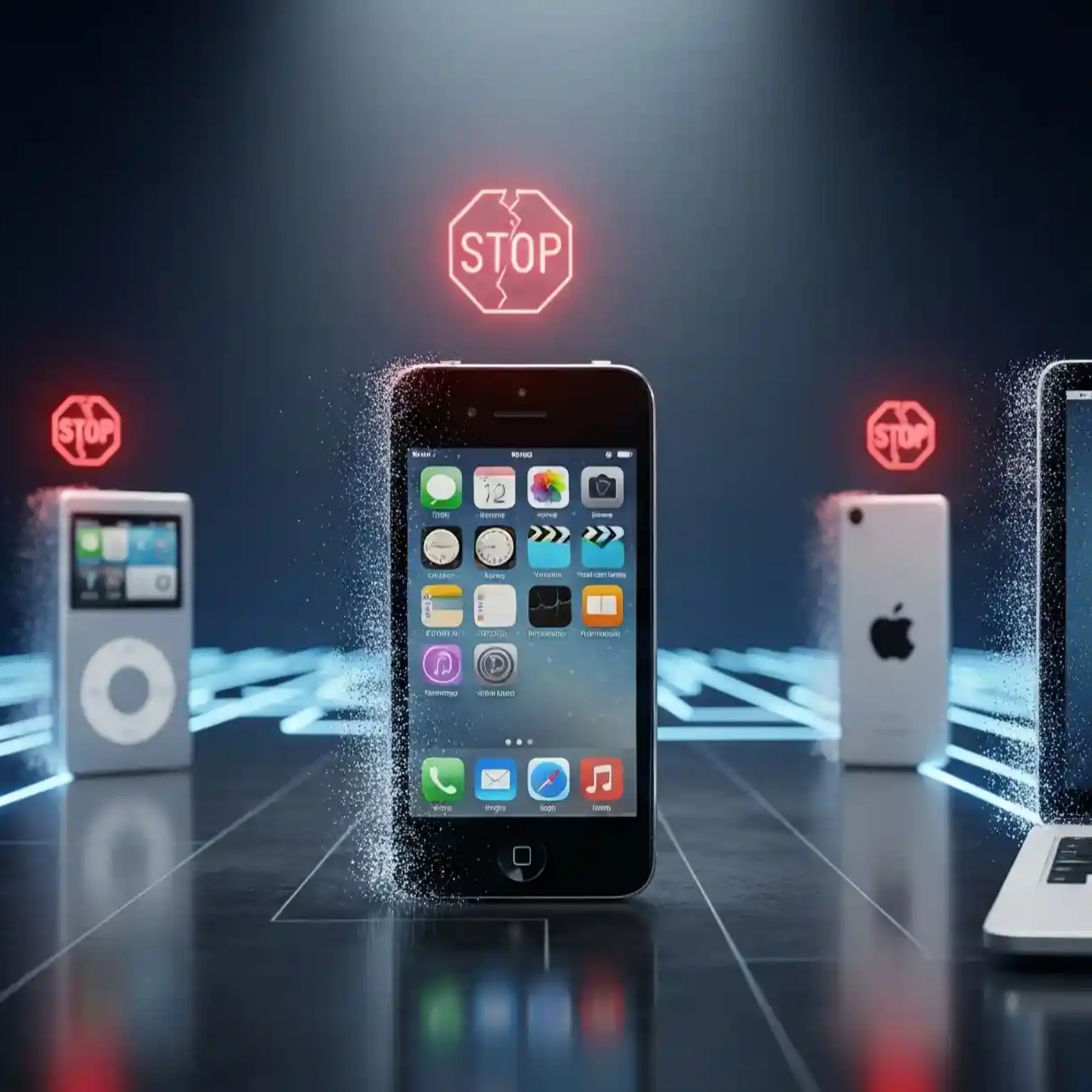
No electronic device can remain relevant forever, and Apple has a clear policy regarding the lifecycle of its products. The company recently updated its internal list, adding new models that are now officially considered “vintage” or “obsolete.” For millions of users, this means one thing: from now on, these devices will no longer be eligible for official repairs at Apple service centers. While this practice is not new, each update to the list sparks discussion among the community, as it directly impacts owners of older devices. This decision is part of a business strategy aimed at supporting innovation and, indirectly, stimulating sales of new models.
Vintage vs. Antique: What’s the Difference?
It’s important to understand that Apple draws a clear line between two categories of devices that are no longer in mass production but are still in the hands of consumers.
- Vintage devices: These are products whose production has been discontinued for more than five but less than seven years. Official repairs at Apple service centers and authorized service providers may still be available, but only if the necessary parts are available. Over time, as components become scarce, the likelihood of repairs drops sharply.
- Obsolete devices are those whose production was discontinued more than seven years ago. According to Apple policy, these devices are no longer eligible for official repair at Apple service centers under any circumstances. The company no longer produces spare parts and does not provide technical documentation for service.
The updated list of obsolete Apple devices has been expanded to include models that were recently considered popular. These include certain iPhone models, as well as some MacBooks, Apple Watches, and iPads, all manufactured beyond their seven-year lifespan. For many users who haven’t been rushing to upgrade their devices, this was unfortunate news, as any malfunction could now mean buying a new one.
Why Apple Does This: Reasons and Criticism
There are several reasons why Apple maintains this policy. First and foremost, it has to do with component production. Manufacturers typically stop producing parts for used models a few years after their release. Maintaining a large number of different parts for all generations of devices is logistically and financially unsustainable. Furthermore, older devices use outdated technologies and components that no longer meet modern standards.
On the other hand, Apple’s repair policy is often criticized. Opponents claim it’s part of a strategy of planned obsolescence, forcing consumers to buy new models even if older ones are still functional. The Right to Repair movement actively opposes this practice, insisting that manufacturers should provide parts and tools for long-term service. Even though Apple has made strides toward this movement in recent years, the fundamental principles of its policy remain unchanged.
What should owners of older devices do?
If your iPhone, iPad, or MacBook is on the obsolete list, it doesn’t mean it’s useless. There are several options for what to do if it breaks.
- Independent repair shops: This is the most common option. Third-party repair shops often have access to old parts (original or high-quality replacements) and can repair the device.
- DIY Repair: If you have the skills and tools, you can use sites like iFixit, which provide instructions and sell parts. This can be profitable, but it’s risky.
- Selling for parts: If repairs prove too expensive, you can sell the device for parts. Many components, such as the display or circuit board, can be used to repair other devices.
Updating Apple’s list of obsolete devices is a natural progression. It’s part of the company’s business model, which, on the one hand, ensures high-quality service for new products, while on the other, creating challenges for owners of older devices. Until Apple changes its policy, owners are forced to adapt, finding alternative ways to keep their devices in working order. This reminds us of the importance of conscious consumption and the need to maintain older devices.



0 Comments