
Economic Drivers of New Restaurant Fees in Europe
The restaurant industry across the European Union is operating under unprecedented financial pressure from external economic factors. Over the past few years, there has been a steady rise in operational expenses, forcing establishment owners to explore new service monetization models. Traditional price increases on core menu items have reached their practical limits, as excessively high costs alienate regular customers and weaken competitiveness within local markets.
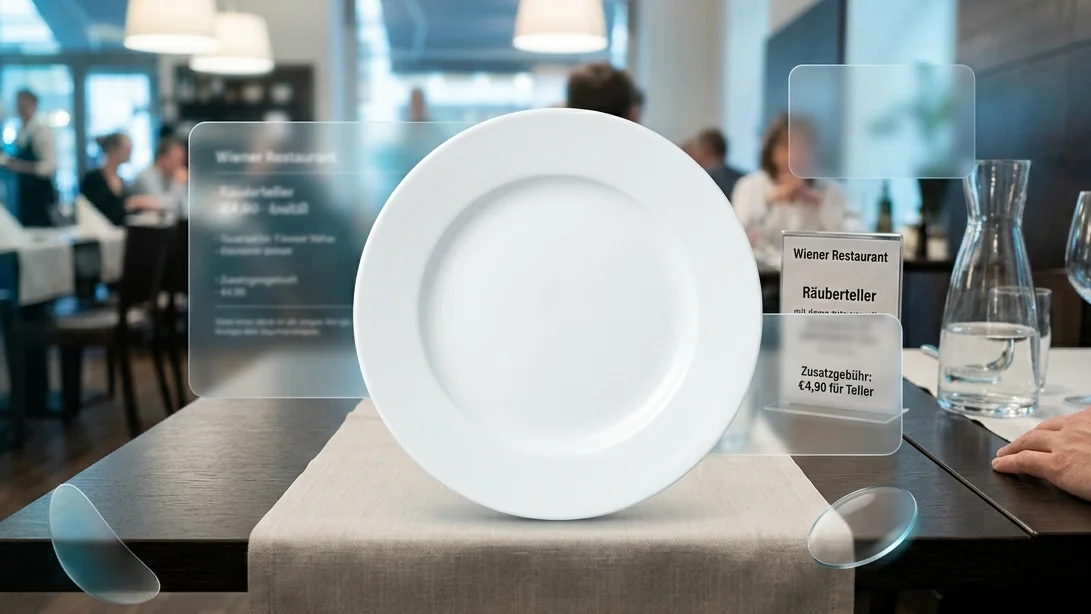
Analysts identify several key triggers prompting restaurateurs to introduce additional payment components, such as charging for an empty plate used to split a portion, a practice colloquially known in Austria as billing for a robber plate. First, utility costs have surged dramatically. Electricity and water supplies required for commercial dishwashers have increased by an average of 30-40 percent depending on the specific region of Austria. Every extra plate sent to the kitchen for washing escalates the consumption of professional detergents and water resources.
Second, acute labor shortages combined with statutory minimum wage hikes have substantially inflated staffing expenditures. The labor of kitchen assistants and dishwashers is valued much higher today, and filling these vacancies is increasingly difficult. Consequently, establishments attempt to offset the manual labor expended on serving unbudgeted guests who, while not placing individual orders, utilize the restaurant physical infrastructure and table layout.
Analysis of the Incident inside Austrian Food Establishments
The incident that sparked widespread public discourse transpired at a restaurant in Vienna, where patrons detected an independent line item in their final bill described as a thief plate or supplementary tableware. The total fee amounted to approximately 5.30 USD for each empty plate requested by guests to divide a large main course among themselves. This scenario immediately turned into a subject of intense debate across social networks and mainstream media channels.
Customers express concern that such levies represent hidden methods of inflating service fees and diminish the enjoyment of dining out. Conversely, representatives of the Austrian Federal Economic Chamber have defended the business community. They argue that a restaurant does not merely sell food as a bundle of ingredients, but delivers a comprehensive hospitality experience including table setting, clearing, dishwashing, and maintaining a comfortable environment. When a single large order is split between two or three individuals, the operational workload on personnel increases while the average check per table remains suppressed.
Legal Framework and Consumer Notification Standards
From the perspective of European Union legislation and internal Austrian regulatory acts, catering establishments maintain the legal right to independently establish pricing structures and implement supplemental fees. However, one critically vital condition applies, which is total transparency for the consumer. Any auxiliary charges a customer might encounter must be explicitly and legibly indicated in the menu or displayed on notice boards before an order is placed.
If a restaurant demands payment for empty tableware without advance disclosure, the customer possesses valid legal grounds to dispute that specific item on the invoice. Consumer rights advocates emphasize that fine print at the bottom of an extensive menu or verbal notifications delivered after the food has arrived constitute a breach of fair trading practices. Below are the fundamental requirements for restaurants regarding the lawful levying of such charges.
- Mandatory integration of the extra tableware fee into the primary printed menu document.
- Clear exhibition of a fixed service price devoid of hidden markups or variables.
- Proactive verbal alerts by waiting staff during order placement if guests indicate a desire to split courses.
- Accurate reflection of the fee inside the official fiscal receipt with appropriate tax categorization codes.
Impact on Customer Loyalty and Corporate Brand Reputation
The deployment of such unpopular measures inevitably triggers significant reputational hazards. In the era of digital technologies and public review platforms, a single negative incident can drastically lower an establishment rating within search engines and specialized hospitality applications. Patrons who feel deceived by minor accessory fees leave low scores and extensive public complaints, which discourages potential tourists and local residents from visiting.
Marketing strategists advise restaurateurs to avoid direct radical fees on essential items like plates or glasses of tap water. Instead, it is highly recommended to utilize flexible yield management and pricing strategies. For example, a portion of general overhead can be factored into a standard service charge, which is customary across many European destinations, or establishments can offer dedicated menu options structured for group dining that naturally encompass the cost of extra service accommodation.
Alternative Solutions for the Restaurant Industry
To protect profit margins without destroying guest goodwill, successful establishments employ alternative methods of cost optimization. Let us examine several practical approaches that balance financial performance metrics without introducing irritating customer-facing fees.
- Portion size optimization – downsizing excessively large dishes with a proportional price adjustment, effectively reducing commercial food waste.
- Introduction of shared dining concepts – creating distinct menu sections where the price inherently accounts for multi-person presentation and service.
- Kitchen workflow automation – investing in energy-efficient hardware that lowers water and electricity footprints during sanitation cycles.
- Supplier contract restructuring – negotiating superior procurement terms for raw ingredients to drive down the baseline cost of production.
Consequently, balancing the financial stability of a restaurant with customer satisfaction remains the primary challenge for the European hospitality sector under modern economic volatility. Establishments that manage to offer transparent and clear terms will secure a powerful competitive advantage in the marketplace.




0 Comments