
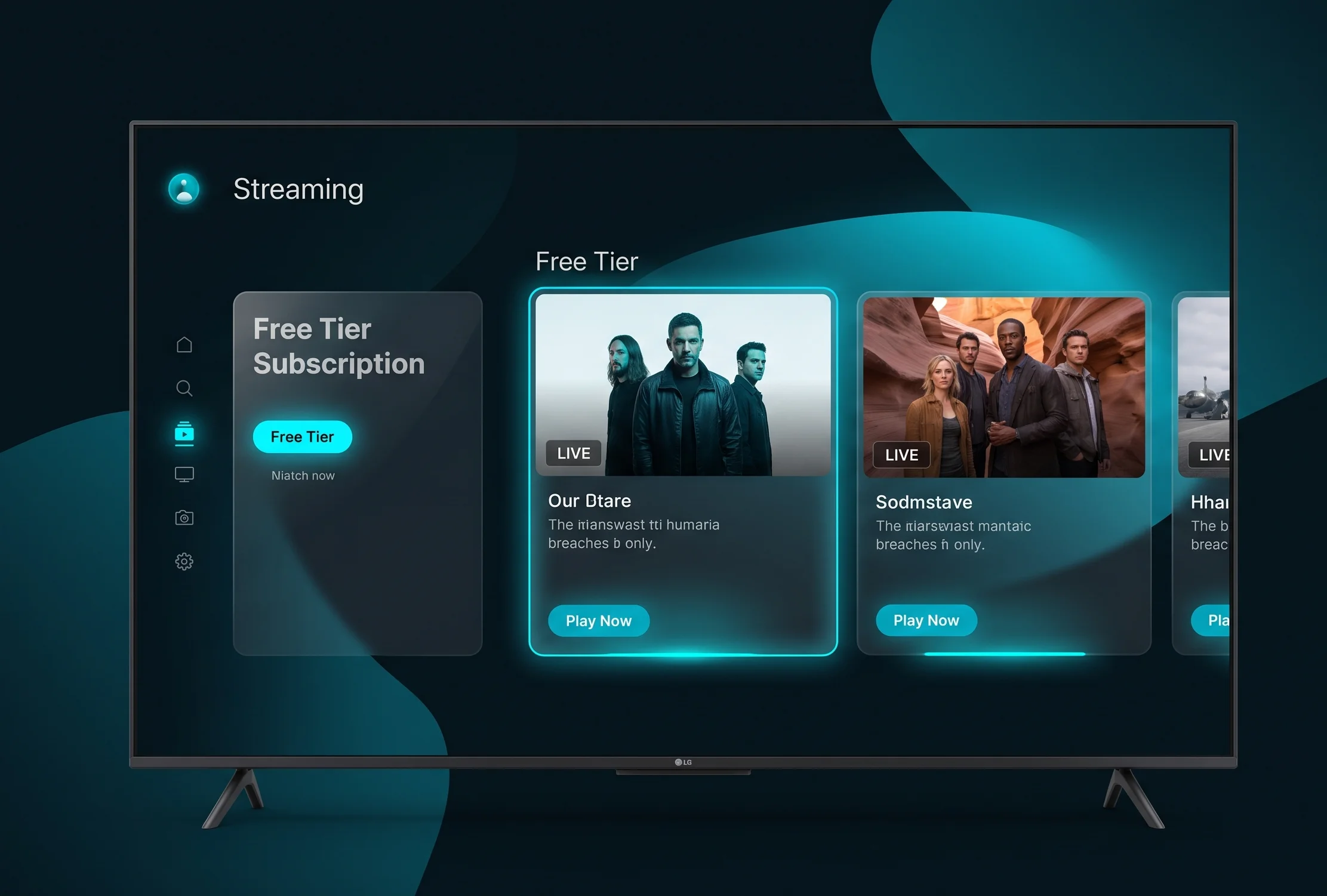
Why Disney Plus is shifting its business strategy
The video streaming industry is undergoing a massive transformation due to market saturation and subscriber fatigue from paid subscriptions. Instead of continuously raising subscription prices, major media conglomerates are exploring alternative monetization models. Disney is currently evaluating the launch of a completely free, ad-supported tier for its flagship service, Disney Plus, funded entirely by advertising revenue.
The primary driver behind this move is the significant shift of viewer attention toward free ad-supported streaming television (FAST) platforms like YouTube and Tubi. Recent analytical reports indicate that these platforms are rapidly gaining market share and viewer engagement, outperforming traditional paid subscription video on demand (SVOD) services. Consumers are increasingly reluctant to stack multiple monthly fees and are opting for free options, even if it means watching commercial breaks.
The battle for screen time and the YouTube threat
Recent studies on media consumption habits highlight a substantial shift in audience behavior. Traditional streaming platforms that built their core businesses on subscription fees are facing declining user engagement for the first time. Free platforms offer vast content libraries with zero financial commitment from the viewer, which has become a key deciding factor during times of economic pressure.
Internal sources within the company confirm that the development of a free tier is under active discussion among top executives. The media giant aims to win back users who canceled their subscriptions during recent price hikes. Introducing a free option will allow Disney to maintain a massive audience reach, which is critical for attracting major advertising partners.
Format and features of the upcoming free tier
The proposed free subscription tier will not be a simple replica of the existing base package. The company plans to integrate elements of linear television by creating specialized virtual channels. This approach will optimize ad delivery and simplify content selection for casual viewers who prefer not to spend time browsing a vast on-demand catalog.
The free tier is expected to come with significant limitations compared to premium subscriptions. Users may experience lower video resolution, the absence of offline download capabilities, and restricted access to the latest exclusive releases and original series. Initially, the free channels will primarily broadcast classic series, archival television shows, and documentary projects.
Impact on the digital advertising market
The launch of a free version of Disney Plus could dramatically reshape budget allocation in the digital advertising industry. With an enormous library of highly recognizable intellectual properties, including Marvel, Star Wars, and Pixar projects, Disney will offer advertisers premium integration opportunities that far exceed the quality of typical user-generated content found on YouTube.
For global brands, this represents an opportunity to reach affluent family audiences within a brand-safe environment. The utilization of sophisticated modern targeting tools will enable the delivery of highly relevant ads based on user profiles, improving campaign efficiency and generating high ad revenue for the streaming platform without relying on subscription fees.
Launch timeline and regional availability
At present, the free tier project remains in the internal modeling stage, with executives carefully assessing potential financial risks. Management is examining whether the introduction of a free alternative might trigger a wave of cord-cutting among current paying subscribers, which could negatively impact the platform’s average revenue per user.
While an official launch date has not yet been announced, market analysts predict initial trial rollouts in the United States by the end of this year. The geographic footprint of the service is expected to expand subsequently into Western Europe and Latin America, where consumer demand for free ad-supported television platforms continues to show steady annual growth.


0 Comments