
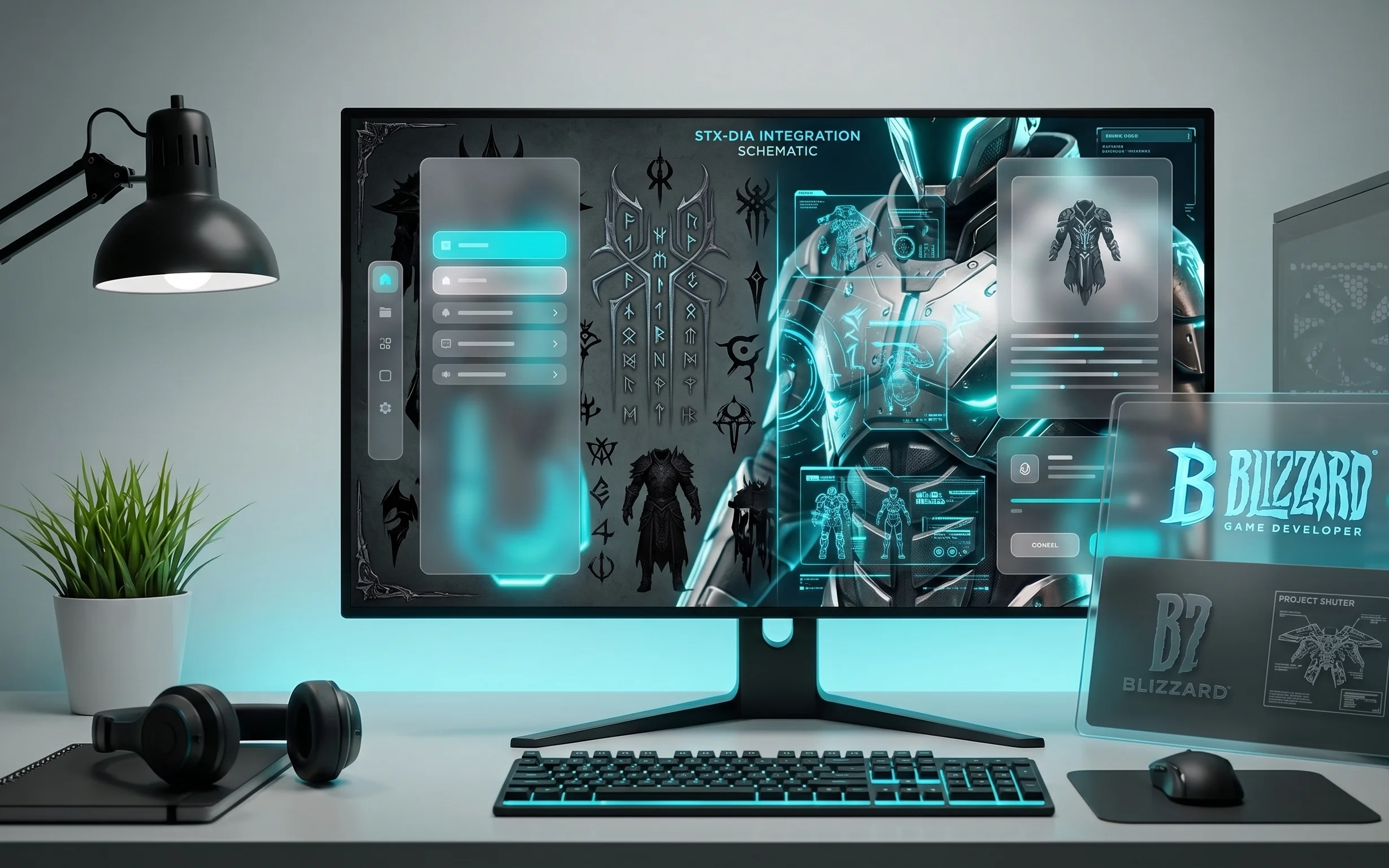
Personnel Adjustments and New Projects at Blizzard Entertainment
Renowned gaming insider and Bloomberg journalist Jason Schreier has shared details about the current state of affairs inside Blizzard Entertainment. According to his reports, the company underwent another round of staff optimization, which turned out to be relatively minor compared to previous large-scale layoffs in the technology sector. Despite internal restructuring, the team continues active work on expanding its core franchises, specifically the Diablo and StarCraft universes.
Sources within the company indicate that Blizzard management is trying to balance costs following the completion of the merger with Microsoft. The optimization mainly affected supporting departments, marketing teams, and middle management, while the core developers of key titles retained their positions.
The Future of the StarCraft Franchise and New Directions
The most unexpected element of the report was the launch of a new project set in the StarCraft universe. After a long period of silence and the actual freezing of active support for StarCraft 2, management decided to return to the strategic series, but in an unusual format. According to preliminary data, this is not a classic real-time strategy game, but a project of a completely different genre.
Dan Hay, former head of the Far Cry team at Ubisoft, has joined the development process, which may indicate the creation of a first-person or third-person shooter or action game. This is not Blizzard’s first attempt to change genres for this franchise – previously, the company canceled StarCraft: Ghost and Ares, which were being developed under similar concepts.
Diablo Development and Support for Current Games
In parallel with the StarCraft experiments, Blizzard departments are heavily focused on supporting and creating content for Diablo 4. The current strategy involves the regular release of large-scale expansions and seasonal updates. Schreier notes that the Diablo development team is currently one of the most financially secure within the studio, as the game demonstrates stable audience engagement and in-game sales metrics.
In addition to supporting the current game, a small group of analysts and writers has already begun shaping the concepts for future iterations of the franchise. Microsoft management requires game studios to have a clear long-term plan for 5-10 years ahead, forcing Blizzard to lay the groundwork for future releases today.
Microsoft’s Influence on Blizzard’s Internal Structure
The transition to Microsoft Gaming management significantly altered the approach to funding and greenlighting new ideas. The new parent company demands higher process optimization and refuses long-term experimentation that does not guarantee commercial success. This explains the recent personnel changes and the closure of several unannounced projects at early prototyping stages.
At the same time, Microsoft’s financial resources allow Blizzard to attract experienced specialists from other major studios. Bringing in developers with a proven track record in successful shooters indicates a desire to diversify the game portfolio and reduce dependence on the company’s traditional RPG and RTS genres.
Industry Outlook and Expectations
The current changes at Blizzard reflect the general development trend of the major gaming industry in 2026. Companies are trying to minimize risks by betting on time-tested franchises with large fan bases, while simultaneously searching for new monetization and gameplay formats within these universes. The future of the new StarCraft and Diablo games will depend on the updated teams’ ability to adapt to market demands and preserve brand identity.



0 Comments