
- The Climate Challenge and the Reality of Artificial Intelligence
- How the Ambitious 2030 Goal Collided with the Technology Boom
- Analyzing the Emissions Structure and the Role of the Supply Chain
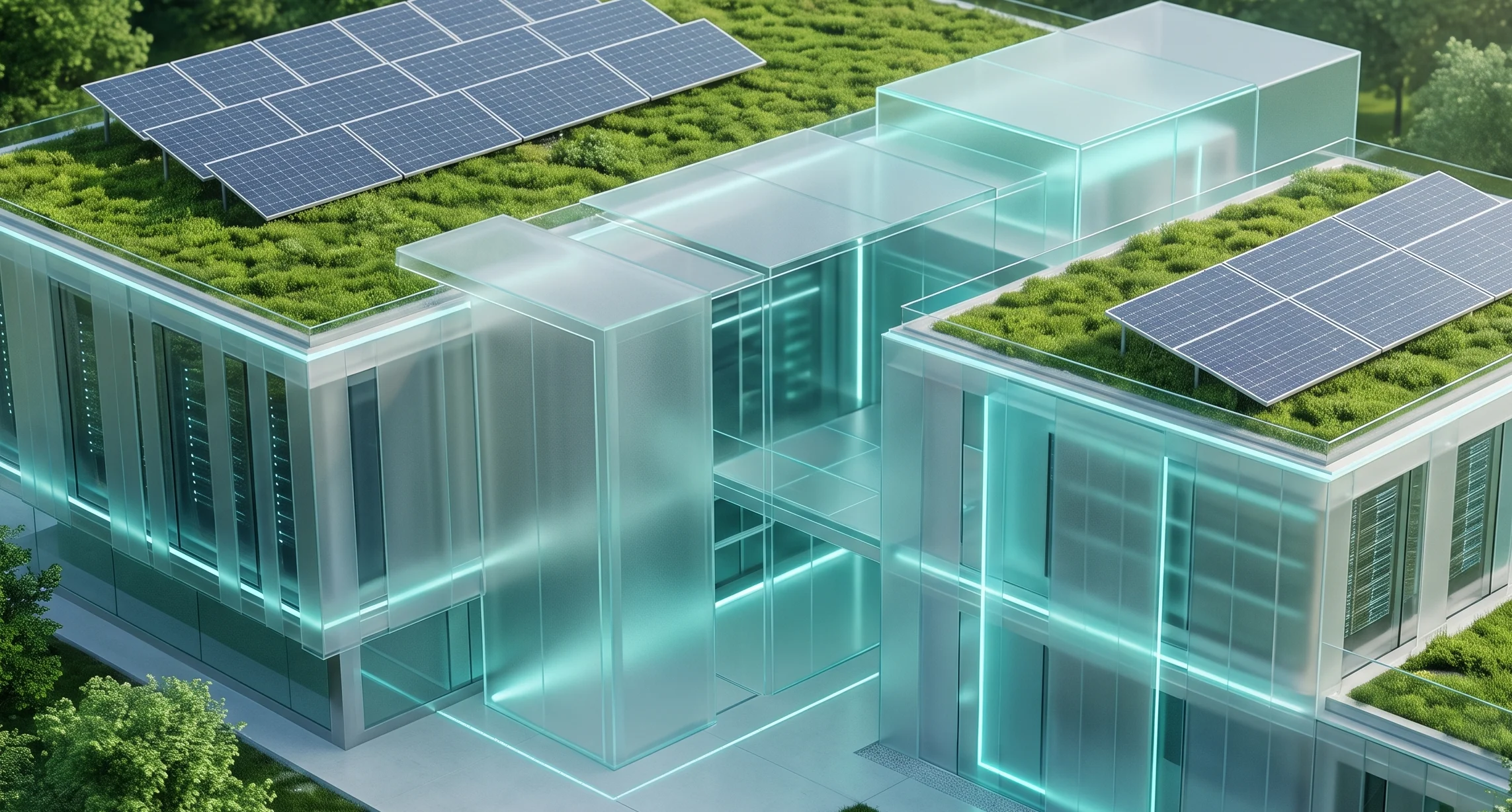
- The Energy Hunger of Next-Generation Data Centers
- Impact on Water Resources and Infrastructure Development
- Solutions and Alternative Energy Sources
The Climate Challenge and the Reality of Artificial Intelligence
In 2020, Microsoft announced an ambitious environmental plan. The company committed to becoming carbon-negative by 2030. This meant the technology giant aimed not only to reduce its own greenhouse gas emissions to zero but also to remove more carbon from the atmosphere than it emits. However, the rapid development of generative artificial intelligence and the massive expansion of cloud computing infrastructure have severely disrupted these plans. According to the latest environmental sustainability report, Microsoft total emissions have jumped by nearly 30 percent compared to the 2020 baseline. This demonstrates a deep conflict between technological progress and the environmental goals of major corporations.
The primary driver behind this significant increase has been the massive construction of new data centers. Modern artificial intelligence models require colossal computational power for training and daily operations. To meet this skyrocketing demand, the company must acquire vast amounts of specialized hardware, construct new physical structures, and consume gigawatts of electricity. All of this creates enormous environmental pressure that offsets previous achievements in energy efficiency.
How the Ambitious 2030 Goal Collided with the Technology Boom
When Microsoft decided to pursue net-negative emissions, the artificial intelligence sector was at a completely different stage of development. Back then, no one could have predicted the extremely rapid rise of large language models that began in late 2022. Launching artificial intelligence services required the immediate deployment of hundreds of thousands of new servers. This led to a sharp increase in energy consumption directly within data centers, as well as a surge in indirect emissions.
The company leadership acknowledges that its environmental targets are now in jeopardy. However, they emphasize that they do not plan to withdraw from the technology race. Artificial intelligence is viewed as a strategic priority that will supposedly help solve climate issues in the long run. Nevertheless, the current situation is exactly the opposite. The growth rate of harmful emissions is significantly outpacing the implementation of green technologies within the company energy systems.
Analyzing the Emissions Structure and the Role of the Supply Chain
To understand the scale of this issue, it is necessary to examine the company emissions structure in detail. All greenhouse gas emissions are categorized into three scopes, known as Scope 1, Scope 2, and Scope 3. Scope 1 includes direct emissions from sources that the company owns or controls directly. Scope 2 covers indirect emissions from the generation of purchased electricity and heating. The most complex category is Scope 3, which includes all other indirect emissions that occur in the value chain.
Scope 3 has become the main source of environmental challenges for Microsoft. This category accounts for more than 90 percent of the company total emissions. The construction of new data centers requires the use of vast amounts of concrete, steel, and microchips. The production of these materials generates massive amounts of carbon. Because Microsoft is actively expanding its network of data centers, the third-scope metrics have gone up rapidly.
The Energy Hunger of Next-Generation Data Centers
Modern graphics processing units used to train and run artificial intelligence models consume several times more electricity than traditional servers. For example, a single modern server equipped with artificial intelligence accelerators can consume as much electricity as dozens of conventional office computers. When thousands of these servers are grouped into a single cluster, the energy requirements of the facility begin to be measured in tens or even hundreds of megawatts.
Such concentrated consumption places a severe burden on local power grids. Many regions simply do not have enough clean energy sources to support Microsoft new facilities. As a result, the company has to rely on traditional grid power, which is often generated by burning coal or natural gas. This directly impacts Scope 2 and Scope 3 metrics in regions where green generation is not yet sufficiently developed.
Impact on Water Resources and Infrastructure Development
In addition to greenhouse gas emissions, operating a massive number of servers creates a major cooling challenge. Most large data centers use water to dissipate heat from the equipment. Microsoft water consumption has also shown a sharp increase in recent years. This raises concerns among environmentalists, particularly in regions suffering from drought or freshwater scarcity.
The construction of the facilities themselves is also a source of substantial environmental impact. Erecting a modern data center requires thousands of tons of reinforced concrete and specialized metal structures. Cement production is one of the largest sources of carbon dioxide emissions worldwide. Every new foundation poured for a server farm automatically increases the corporate carbon footprint, which is extremely difficult to offset later through tree planting or carbon credits.
Solutions and Alternative Energy Sources
To minimize its negative impact, Microsoft is forced to seek innovative and non-standard energy solutions. One of the main areas of focus is signing long-term power purchase agreements for renewable energy. The company is funding the construction of new solar and wind farms around the world. However, the intermittent nature of solar and wind generation forces them to look for more stable sources of carbon-free power.
Recently, the corporation has been actively investing in nuclear energy and the development of small modular reactors. Nuclear power is capable of providing continuous power to data centers twenty-four hours a day, seven days a week, without emitting carbon dioxide into the atmosphere. In addition, the company is exploring the possibilities of geothermal energy and direct air carbon capture technologies. However, most of these technologies are in the early stages of adoption and cannot instantly offset the massive emissions generated today.
The environmental crisis in the high-tech sector clearly demonstrates that the uncontrolled development of artificial intelligence carries significant hidden risks. Technology giants must rethink their approaches to designing artificial intelligence systems, optimize algorithms to reduce power consumption, and take real responsibility for every megawatt of power built.


1 Comment
Great content! Keep up the good work!