
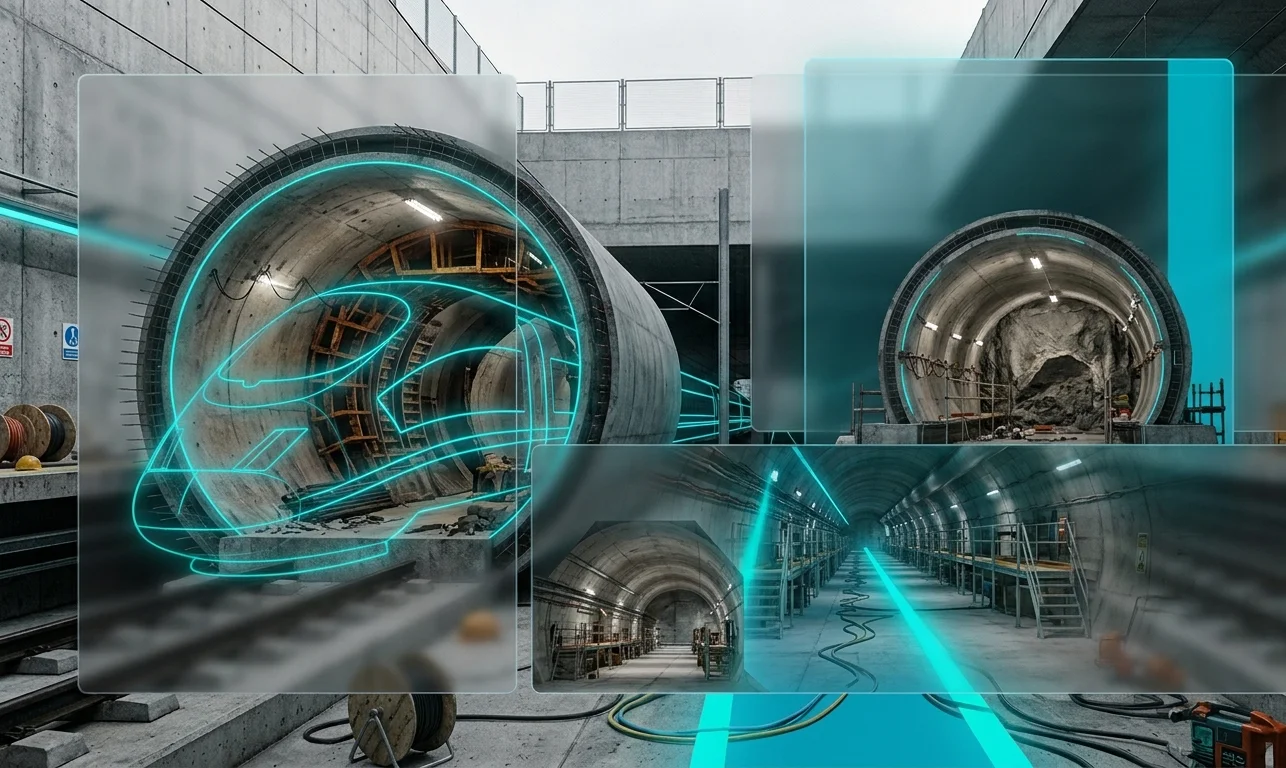
- Massive Underground Construction in Central Europe
- Project History and Preparatory Work Duration
- Technical Specifications and Architecture of the Underground Complex
- Geological Challenges and Mechanized Tunneling
- Economic Impact and Project Funding
- Integration into the European Logistics Network
- Current Status and Operations Timeline
Massive Underground Construction in Central Europe
The transport network between Austria and Italy has suffered for years from overcongested surface highways. The Brenner Pass remains the main transit node, handling over 40 million tons of freight annually. To resolve this logistical bottleneck, the governments of both nations, supported by the European Union, are implementing the Brenner Base Tunnel (BBT) project. This underground railway line runs beneath the base of the Eastern Alps and is designed to fundamentally shift the balance of freight and passenger transit in the region.
As of 2026, construction has entered the final stages of mechanized excavation and internal engineering installation. The project is an essential element of the Scandinavian-Mediterranean Transport Corridor within the trans-European TEN-T network. The main goal of the initiative is to transfer transit freight from road networks to rail transport, significantly reducing carbon dioxide emissions and preserving the delicate alpine environment.
Project History and Preparatory Work Duration
The first intergovernmental agreements regarding the construction of a rail tunnel beneath the Brenner Pass were established in the early 2000s. Following extensive geological surveys and feasibility studies, the joint-stock company BBT SE was formed in 2007. Direct excavation work on the Italian section started in 2008 with the drilling of exploratory adits, which were later integrated into the main underground network structure.
The extended preparatory phase was necessary due to the demanding geological conditions of the Eastern Alps. Engineers had to develop unique methods to pass through fault zones and sectors with high groundwater pressure. Throughout the construction period, the schedule was adjusted multiple times due to newly discovered tectonic features, requiring additional reinforcement of the tunnel linings.
Technical Specifications and Architecture of the Underground Complex
The Brenner Base Tunnel is not just a single underground tube, but a highly complex multi-level system consisting of several parallel and auxiliary excavations. The primary structure comprises two single-track main tunnels positioned about 70 meters apart. An exploratory tunnel runs between them, located 12 meters below their floor level, which will serve drainage and maintenance functions during operation.
To guarantee passenger and personnel safety, cross-passages link the two main tunnels every 333 meters. These cross-cuts will serve as escape routes during emergencies. The total length of all underground excavations within the system, including ventilation shafts, connecting tracks, and three underground emergency stations, reaches approximately 230 kilometers.
Geological Challenges and Mechanized Tunneling
Excavating through the alpine massif was accomplished using two primary techniques – drill-and-blast and high-tech Tunnel Boring Machines (TBMs). Massive cutterhead rotators with diameters exceeding 10 meters operated along different sections of the route. The primary challenge for engineering teams was crossing the Periadriatic Seam, a major tectonic fault line where the surrounding rock exhibits extremely low stability.
To stabilize the surrounding ground, contractors utilized jet grouting, ground freezing of water-bearing strata, and high-strength rock bolting. The thickness of the concrete primary lining in the most demanding geological sectors reaches 500 millimeters, ensuring structural stability against immense rock pressure during long-term operations.
Economic Impact and Project Funding
Executing an infrastructure development of this scale demands substantial financial capital. The total project budget for the current phase is estimated at over 11 billion USD. Funding is distributed among three major stakeholders – Austria, Italy, and the European Union, which provides up to 50 percent of the financing for specific high-tech work phases under the trans-European transport network framework.
The economic viability of the BBT relies on a major reduction in operating expenses for freight transport firms. Thanks to the minimal track gradient, there is no longer a need to utilize additional helper locomotives for heavy trains on steep inclines. A single freight train will be capable of hauling twice the tonnage compared to the old mountain route while consuming far less electrical energy.
Integration into the European Logistics Network
Following the completion of track laying and the installation of ETCS Level 2 digital signaling systems, the Brenner tunnel will serve as the core link of the rail corridor connecting Scandinavian ports with southern Italy. Route optimization will allow rail transport to compete effectively with regional aviation on medium-distance routes within Central Europe.
Passengers will benefit from a direct and high-speed link between major economic centers in Germany, Austria, and Italy. Travel time from Munich to Verona will be cut nearly in half, boosting business integration and cross-border tourism without increasing traffic density on existing expressways.
Current Status and Operations Timeline
As of the first half of 2026, the bulk of excavation inside the main tubes has been successfully completed. Engineering crews are now focusing on installing permanent concrete final linings, pouring invert segments, and preparing technical alcoves for traction substations and railway signaling equipment. The final construction phase involves complete line electrification and the integration of automated fire suppression systems.
According to updated schedules from BBT SE and the transport ministries of Austria and Italy, a lengthy phase of safety certification and uncrewed test runs will follow the completion of all civil works. Full commercial train operations through the Brenner Base Tunnel are expected to begin by 2032, marking the opening of the longest underground rail connection in the world.




0 Comments