
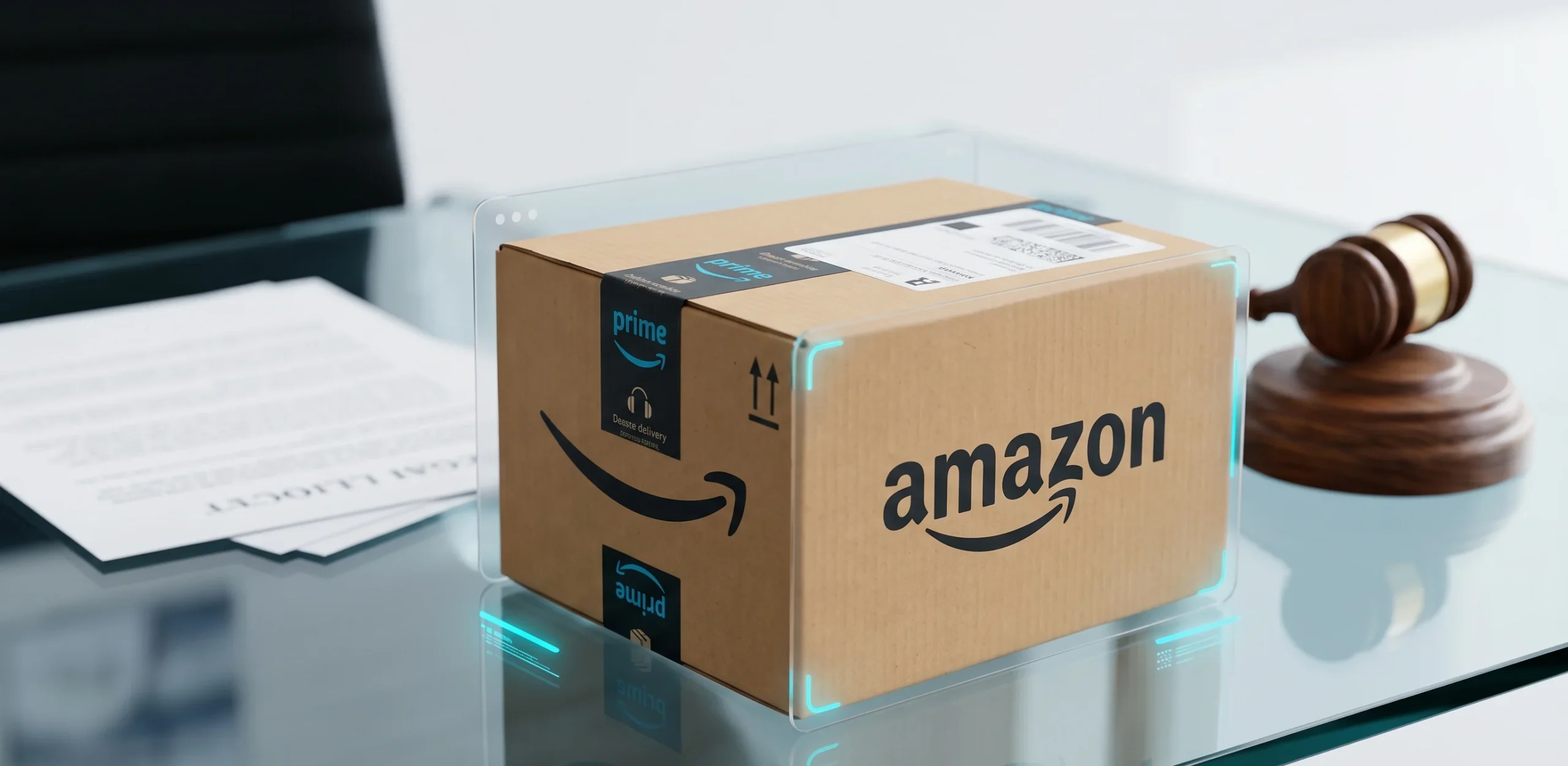
Amazon Faces Class Action Lawsuit Over Tariff Refunds
American technology giant Amazon is facing a major class action lawsuit filed in a Seattle federal court. The company is accused of unlawfully withholding hundreds of millions of USD that should have been returned to consumers following the cancellation of Trump-era tariffs. Plaintiffs allege that the e-commerce retailer knowingly shifted the financial burden of the additional tariffs onto consumers by raising retail prices across a wide range of imported products, yet refused to return those funds when the US government declared the duties unlawful and initiated a restitution process.
The situation intensified following an official ruling by the US Supreme Court, which confirmed the illegality of certain import tariff categories. While hundreds of other American corporations and major retail networks began calculating and automatically issuing refunds to their clients, Amazon chose to retain the excess profits on its corporate accounts, prompting defrauded consumers to seek legal recourse.
The Core of Financial Claims and Withholding Mechanism
According to court documents, the pricing mechanism on the Amazon platform included an automatic markup to compensate for the company’s customs duties expenses. When government agencies started returning billions of USD to importers due to the tariff reversal, Amazon received its compensation directly from the federal budget. However, end consumers, who actually paid these amounts when purchasing gadgets, apparel, and home appliances, received no notifications or financial reimbursements.
Lawyers representing the plaintiffs emphasize that the company’s actions contradict the principles of fair trade and consumer protection. The platform used its dominant market position in e-commerce to conceal the receipt of government compensations, betting that individual buyers would not be able to independently trace the customs calculation chains.
Legal Implications and Potential Financial Damages for the Platform
The lawsuit carries a class-action status, allowing millions of American users who made purchases on the platform during the unlawful tariff period to join the case. If the court rules in favor of the plaintiffs, Amazon will be forced to pay not only the withheld amounts but also significant punitive damages, alongside covering all legal expenses. According to preliminary expert estimates, the total payout could exceed several hundred millions of USD.
Beyond direct financial losses, this precedent deals a severe blow to the reputation of the brand, which has always declared customer obsession as the core value of its business. Investors are already expressing concern over potentially tighter regulatory scrutiny from the US Federal Trade Commission, which is simultaneously running several investigations into the tech giant’s monopolistic behavior.
Amazon Response and Defense Strategy
At present, official Amazon representatives refrain from detailed comments regarding the substance of the filed class action, limiting themselves to standard statements asserting that the company operates strictly within the boundaries of applicable US law. Corporate defense attorneys are attempting to steer the case toward individual arbitration proceedings, a standard practice for Big Tech that helps avoid large-scale public trials and minimizes media coverage.
However, consumer advocates remain confident that given the scale of the violations and the clear Supreme Court ruling on tariff illegality, Amazon’s attempts to block the class action will be dismissed by the Seattle court. The next hearing, which will consider the motion for class certification, is scheduled for the coming months, and the entire US retail sector will closely monitor its outcome.




0 Comments