
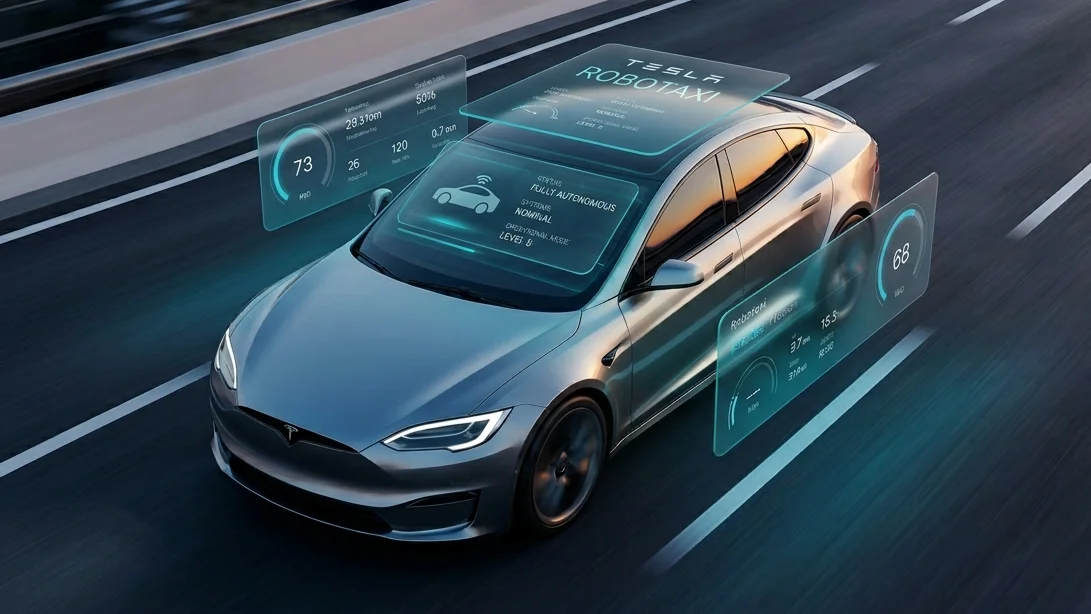
Tesla Discloses New Safety Data on Robotaxi Incidents and Human Interaction
Tesla has released comprehensive reports regarding incidents involving its autonomous driving systems. This data follows a prolonged investigation by regulators and a public demand for transparency in Full Self-Driving (FSD) algorithms. The analysis reveals that while the system prevents a significant number of collisions, the interaction between humans and AI remains a critical risk point.
Incident Statistics and Technical Context
According to the published documentation, most accidents involving Robotaxi occur in low visibility conditions or on specific road surfaces. It is important to understand that the term -accident- in Tesla’s reports covers a wide range of events from minor scrapes to serious collisions. The company emphasizes that the frequency of critical system errors is steadily decreasing thanks to software updates.
The Human Factor: AI’s Greatest Challenge
One of the most interesting aspects of the report is the analysis of human behavior inside the cabin during accidents. Tesla claims that a significant portion of incidents occurs due to over-reliance on the system. Operators often ignore warnings to take manual control, leading to the loss of precious milliseconds in critical situations.
Critical Scenario Analysis
- Phantom Braking: Situations where the system incorrectly identifies a shadow or a road sign as an obstacle.
- Complex Intersections: Movement trajectories requiring non-verbal contact with other drivers (e.g., hand gestures or eye contact).
- Weather Conditions: Heavy fog or rain that reduces the efficiency of optical sensors.
Tesla continues to insist on using only cameras (Vision-only approach), rejecting lidars. This decision remains a subject of debate among safety experts, as cameras can be blinded by the sun or obscured by dirt.
Regulatory Response and Service Future
The National Highway Traffic Safety Administration (NHTSA) continues to scrutinize every detail of the provided reports. The core question remains liability: who is at fault if the system acted technically according to its algorithm but failed to avoid a collision that an experienced driver might have anticipated?
The cost of Robotaxi maintenance after accidents is also a significant factor. Sensor repair and camera calibration are much more expensive than standard bodywork. It is expected that these costs will be factored into the trip price for the end consumer. Current estimates for operating costs suggest that Tesla aims for the lowest price per mile, but insurance and safety costs remain high.
Conclusions and Outlook
Disclosing details about crashes is a step toward the legalization of full-scale driverless taxis. While the numbers look optimistic compared to human statistics, every AI incident attracts ten times more media and regulatory attention. The future of Robotaxi depends not only on improving code but also on how transparently the company reports its failures.


0 Comments