
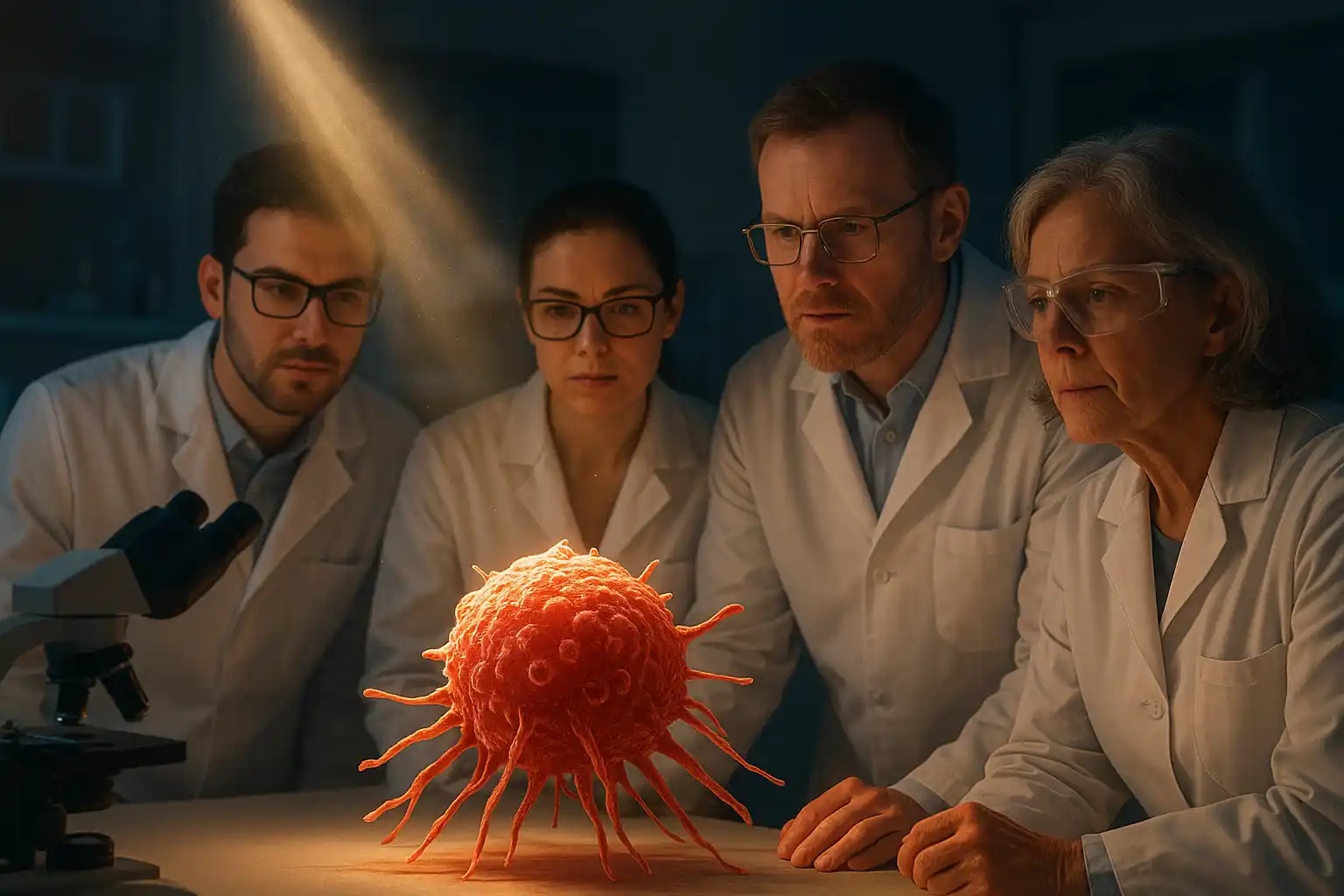
Modern oncology is constantly searching for less invasive and more targeted methods to combat malignant tumors. Recent breakthrough research by American scientists has drawn the global community’s attention to a new, highly effective variation of photodynamic therapy (PDT). This method, which combines light-based cancer treatment with cutting-edge nanotechnology in oncology, offers hope to patients with hard-to-reach and aggressive forms of cancer.
Principles of Photodynamic Therapy: How Light Kills Cancer
Photodynamic therapy (PDT) is not a completely new method, but recent innovations have significantly increased its potential. It involves a two-step process. First, the patient is injected with a special non-toxic drug called a photosensitizer. These substances have the unique property of accumulating primarily in rapidly growing cancer cells. In the second step, light of a specific wavelength (often a laser or specialized LED sources) is directed at the tumor site.
A light-activated photosensitizer reacts with oxygen in the cell, generating highly toxic reactive oxygen species (ROS), particularly singlet oxygen. These molecules trigger necrosis and apoptosis, or programmed cell death, in cancer cells. This light-based cancer treatment is highly selective, as it damages only those cells that have accumulated the drug and have been exposed to light.
Three-Pronged Attack: Mechanisms of Tumor Killing with PDT
The effectiveness of PDT cancer therapy relies on more than just direct cell destruction. It has been proven to work on three fronts:
- Direct cytotoxicity: immediate destruction of cancer cells via reactive oxygen species (ROS).
- Vascular effect: damage to the blood vessels that feed the tumor. This leads to oxygen starvation and nutrient deficiency, effectively “suffocating” the tumor.
- Immune response: The death of cancer cells triggers an acute inflammatory response that “trains” the patient’s immune system to recognize and attack residual cancer cells throughout the body.
Breakthrough with Nanotechnology: Overcoming a Key Limitation
The main drawback of classical PDT was the limited penetration depth of light. Most effective photosensitizers are activated by visible light, which cannot penetrate deeper than a few millimeters, making treatment of deep tumors impossible. This is where the innovative breakthrough comes in.
American scientists have developed methods that utilize nanotechnology in oncology, specifically tin nanoplatelets and LEDs. These nanoparticles can act as “auxiliary agents,” improving delivery precision, or as energy converters, enabling the use of more deeply penetrating wavelengths (such as near-infrared). The use of LED cancer therapy in combination with nanoparticles enables the targeted destruction of up to 92% of skin cancer cells and approximately 50% of colon cancer cells in laboratory settings.
Benefits of the New Era of PDT
The combination of PDT with nanotechnology opens the way to treatment that has significant advantages over traditional methods:
- Minimally invasive The procedure is usually performed on an outpatient basis, requiring no major surgery or lengthy recovery time.
- Low systemic toxicity: Since the drug only becomes active under light, damage to healthy tissue is minimal.
- Lack of resistance: Unlike chemotherapy, cancer cells do not develop resistance to the reactive oxygen species mechanism of action.
- The procedure can be repeated multiple times in the same area without the accumulation of side effects that is typical of radiation therapy.
Prospects for application and combinations
Photodynamic therapy is already used to treat certain types of skin, esophageal, and lung cancer. Improved delivery and targeting efficiency using nanotechnology make this method promising for:
- Treatment of deep-seated tumors, previously inaccessible to light.
- Use as an adjuvant therapy after surgical removal of a tumor to destroy residual cancer cells.
- Combinations with immunotherapy, where PDT acts as a primer, activating the immune system to fight the disease more effectively.
The introduction of nanotechnology and the use of innovative light sources, such as specialized LED devices, make light-based cancer treatment one of the most promising areas in medicine. Millions of dollars in research investments at various American universities confirm that this method could soon become a standard protocol in clinical practice worldwide.




0 Comments