
- What is the essence of anode protection technology?
- Why is this important for electric vehicles?
- Comparison with other technologies
- Scalability and environmental impact
- Innovations of the future and development prospects
- How this will change the electric vehicle market
- Conclusion
- Join the future of electric vehicles
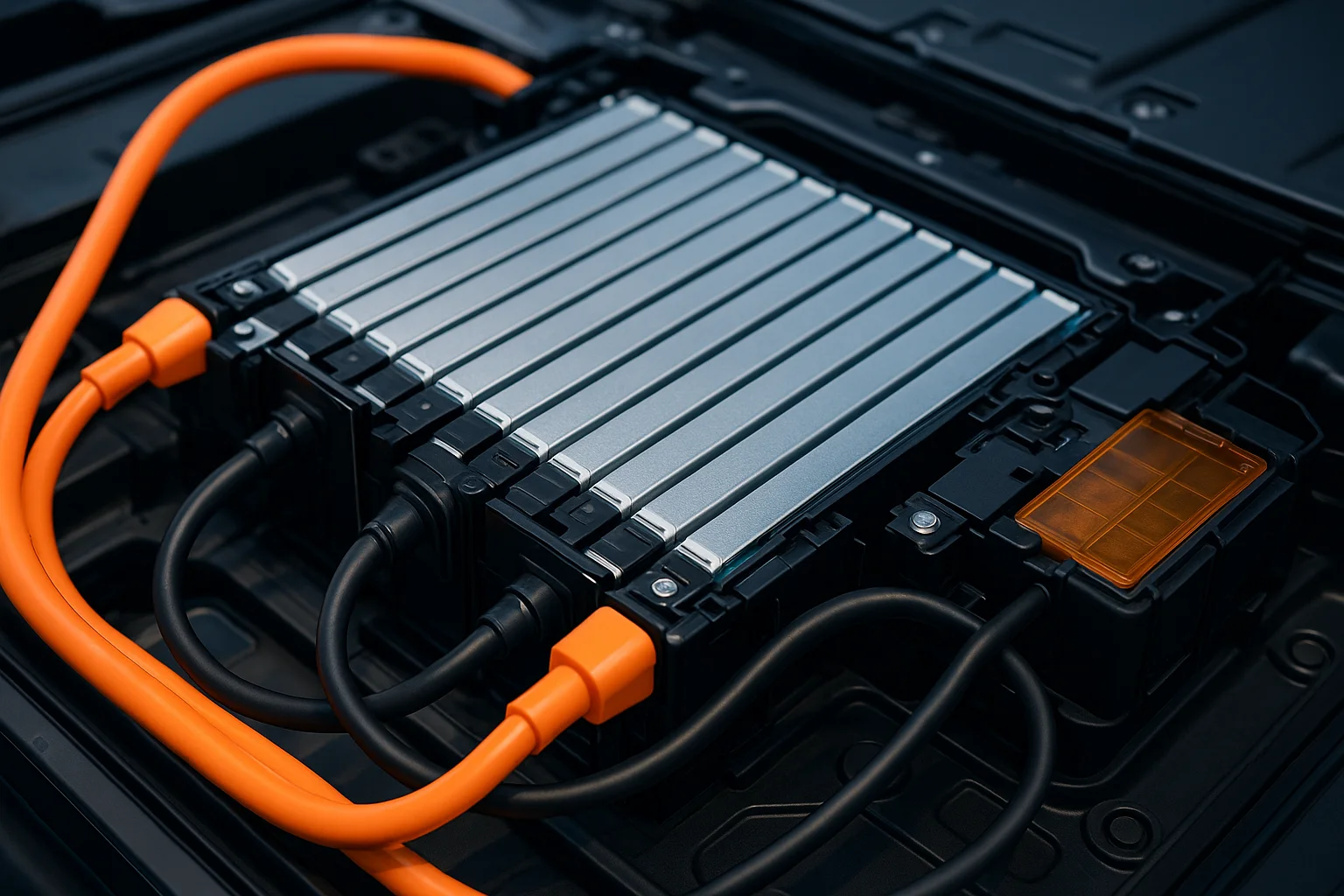
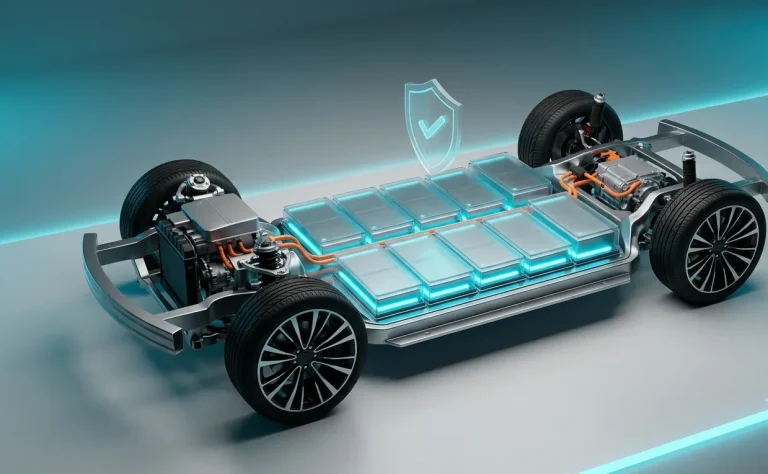
In the world of electric vehicles, the fight for battery durability and efficiency is reaching a new level. South Korean scientists have developed a unique anode protection technology capable of doubling the lifespan of lithium-metal batteries and significantly improving their energy density. This innovation paves the way for a new generation of electric vehicles with longer range and faster charging.
What is the essence of anode protection technology?
Developed by researchers at the Korean Research Institute of Chemical Technology (KRICT), the new method is based on the creation of a special ceramic-polymer protective film on the anode surface. This film minimizes the formation of dendrites-crystalline structures that damage the battery and reduce its lifespan. Thanks to this technology, batteries retain over 80% of their capacity even after hundreds of charge and discharge cycles, which is twice the capacity of conventional lithium-ion batteries.
Why is this important for electric vehicles?
Modern electric vehicles require not only high power but also stable battery performance. Battery life directly impacts the cost of vehicle maintenance, as battery replacement can cost thousands of dollars. Anode protection technology significantly reduces these costs, ensuring longer battery life and reducing the need for frequent replacements.
Comparison with other technologies
Various methods for improving battery efficiency are being actively developed globally. For example, Panasonic and Sila are working on the use of silicone anodes to increase battery capacity. Solid-state batteries promise higher safety and energy density. KRICT technology stands out because it doesn’t require radical changes to battery design and can be integrated into existing manufacturing processes.
Scalability and environmental impact
The protective film is created using a solvent-free printing method, making the process environmentally friendly and suitable for mass production. Extending battery life means less waste and reduced consumption of rare metals such as lithium and cobalt. This is a significant step toward creating a more sustainable future for electric transportation.
Innovations of the future and development prospects
When combined with other advanced solutions, such as self-renewing batteries and solid-state electrolytes, this technology could take electric vehicles to a new level of reliability and safety. Manufacturers are already showing interest in implementing KRICT technology, as it has the potential to reduce production costs and improve the competitiveness of their products.
How this will change the electric vehicle market
Extending battery life means buyers will have electric vehicles that can operate for decades without significant degradation in battery efficiency. This will not only reduce user costs but also stimulate the development of fast-charging infrastructure and battery recycling.
Conclusion
The new anode protection technology is a major breakthrough in battery technology. It promises not only to double battery life but also to open up new opportunities for engineers and automakers. This solution could be a key factor in the transition to the widespread use of electric vehicles.
Join the future of electric vehicles
Stay up-to-date on innovative technology news and learn more about cutting-edge electric vehicle solutions. Share these latest breakthroughs with your friends, as they’re the ones shaping our green future.



0 Comments