
Social Commerce Evolution: P2P Payments in the TikTok Ecosystem
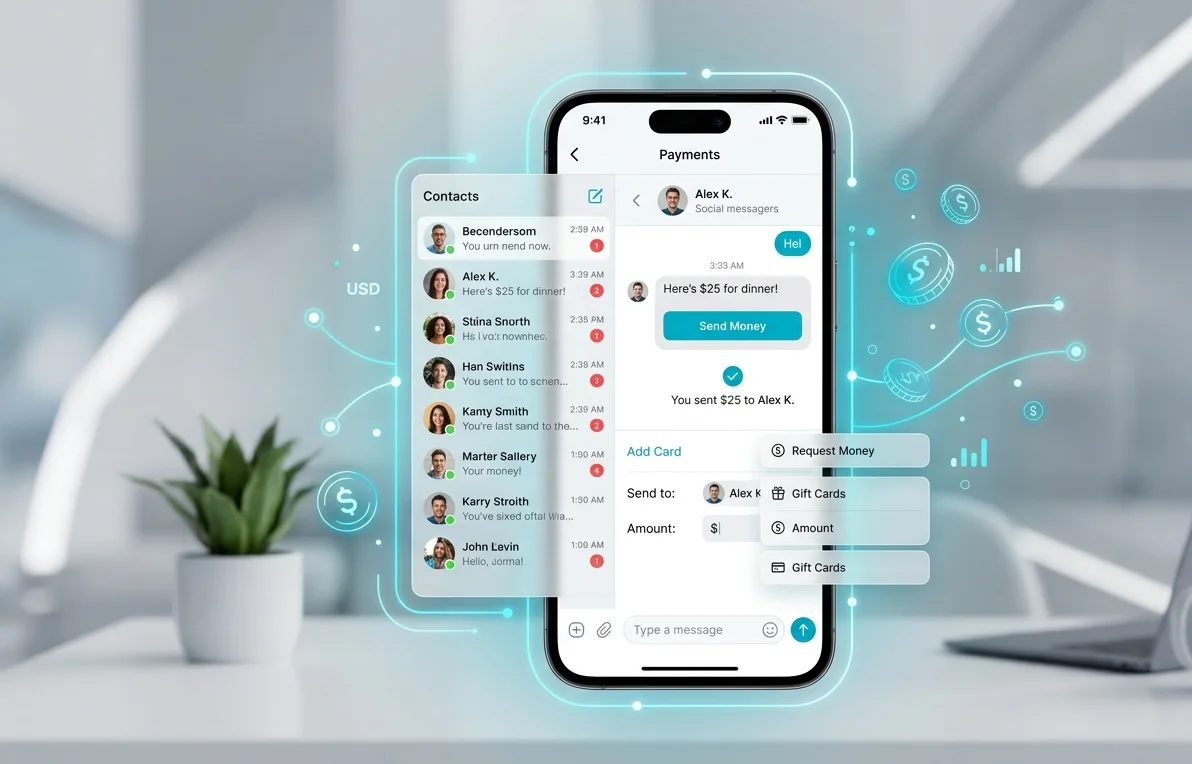
The TikTok platform is preparing to expand its capabilities beyond short videos and algorithmic recommendation feeds. According to industry analysts and reports in Western tech media, the company has intensified the development and internal testing of a peer-to-peer (P2P) instant money transfer service directly within user Direct Messages (DMs). This step demonstrates a clear intention to transform the application into a full-fledged financial and communication hub capable of competing with established mobile payment platforms.
Integrating payments into the messaging interface is a logical continuation of TikTok’s expansion into e-commerce, where TikTok Shop is already a central component. Adding financial tools directly into personal chats reduces friction when closing deals between content creators, buyers, and small merchants, creating a closed-loop interaction within a single ecosystem.
Technical Architecture and Transfer Mechanics
From a technical standpoint, implementing P2P transfers inside direct chats requires building a highly secure infrastructure that complies with strict financial safety standards, such as PCI DSS and local regulatory requirements in each operational market. Preliminary reports indicate that the transfer interface will be seamlessly integrated into the standard chat panel.
- Direct Financial Menu Call: Users can tap a dedicated currency or attachment icon in the DM window, opening a compact widget form to input the transfer amount.
- Authentication Gateways: Transaction approval will rely on biometric data (Face ID, fingerprint authentication) or a designated TikTok financial PIN code.
- Data Processing Protocols: End-to-end encryption for transactional requests protects payment credentials from interception by unauthorized parties.
- Real-Time Notifications: The recipient views a specialized interactive card inside the chat thread that updates its status once funds are successfully credited to the internal balance or linked bank card.
To guarantee operational stability and regulatory compliance, TikTok plans to partner with third-party payment processors and licensed banking institutions. This strategy avoids the immediate need to acquire independent banking licenses across every individual market during the initial rollout phase.
Comparative Analysis of Social Media Payment Solutions
The concept of combining messaging services with financial transactions is not entirely novel, yet its adoption varies significantly across geographic regions and user demographics. Below is a comparative overview of P2P payment implementations across major global social platforms.
Strategic Impact on the Creator Economy
For content monetization on TikTok, the introduction of P2P payments could prove to be a game-changer. Currently, creators rely heavily on complex Creator Fund payouts, live stream virtual gifts, or third-party crowdfunding tools. Direct money transfers in DMs unlock entirely new opportunities:
- Direct Payment for Exclusive Content: Creators can provide access to private media assets or personal consultations directly within direct messages upon payment verification.
- Micro-Seller Goods and Services Sales: Small businesses and craft makers can accept orders and process payments within a single conversation window with customers.
- Frictionless Tipping Mechanics: Appreciative followers can send financial tips directly after viewing content or engaging in one-on-one communication.
With an active monthly user base exceeding 1.5 billion people, even a minor adoption rate for P2P transactions can generate billions in monetary flow. This will dramatically increase creator retention and strengthen their financial alignment with TikTok’s native tools.
Regulatory Challenges and Security Frameworks
Deploying payment services on a scale as vast as TikTok will inevitably draw rigorous oversight from financial regulators in the United States and the European Union. Key hurdles for the company include strict Anti-Money Laundering (AML) mandates and Know Your Customer (KYC) identity verification protocols.
Given the high proportion of younger demographics in the user base, developers must enforce strict age thresholds and parental oversight features for financial transactions. Furthermore, fraud prevention in private chats (phishing and social engineering) requires deployment of automated threat-detection algorithms to protect user balances effectively.
Prospects of Transforming into a SuperApp
Exploring P2P payments reflects parent company ByteDance’s ambition to replicate the success of its Chinese platform Douyin and WeChat in Western markets. Financial services act as the foundational layer that transforms an entertainment app into a daily essential utility. If internal testing progresses smoothly and secures regulatory clearance, TikTok will take a major step toward establishing an all-in-one ecosystem where entertainment, messaging, and commerce merge seamlessly.



0 Comments