
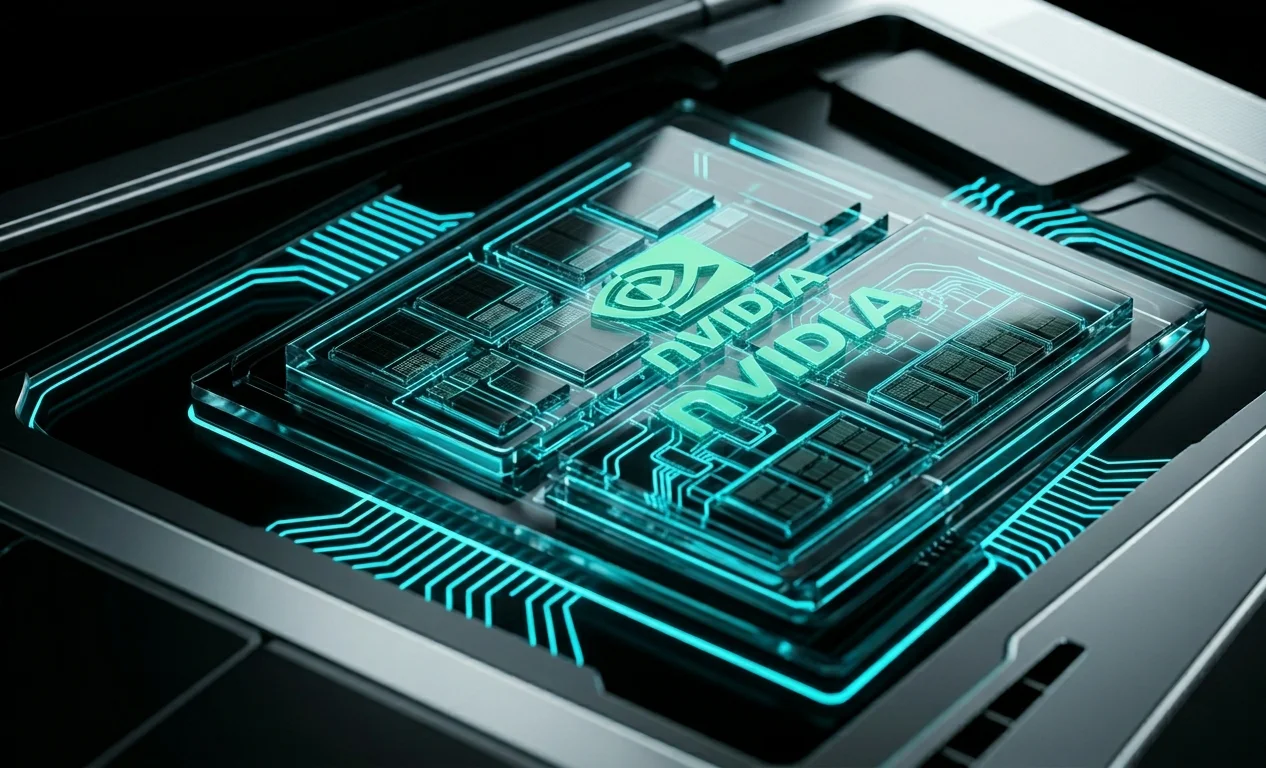
Nvidia Transition to ARM Architecture for Consumer Personal Computers
The personal computer industry is undergoing a massive architectural transformation driven by the successful experience of transitioning mobile and server platforms to energy-efficient chips. Nvidia, which holds leadership in the market for discrete graphics adapters and artificial intelligence accelerators, is actively developing its own line of central processing units (CPUs) based on the ARM architecture. This step aims to create highly integrated systems on a chip (SoC) for laptops and desktop computers running the Windows operating system. The main feature of the new solutions is the integration of a powerful graphics core capable of completely replacing entry-level and mid-range video cards.
Nvidia strategic maneuver is driven by the expiration of the exclusive agreement between Microsoft and Qualcomm regarding support for the Windows on ARM platform. This opens up the market to other major players. Using licensed ARM Cortex cores combined with proprietary graphics blocks allows for the creation of processors with high computational density per watt of power consumed. This approach makes it possible to eliminate complex board layouts for separate CPU and GPU chips, reduce the size of cooling systems, and significantly lower the energy consumption of portable devices.
Blackwell Architecture as an Integrated Graphics Subsystem
The key advantage of the future Nvidia processor lies in the architecture of the built-in graphics chip. Instead of basic video cores that are typically integrated into mobile processors for image output and simple multimedia work, Nvidia uses full-fledged computing blocks of the Blackwell architecture. This architecture has already proven itself in high-performance computing centers and flagship discrete cards of the market. Integrating Blackwell directly into the processor die eliminates delays in data transfer over the PCIe bus, which positively affects overall system performance.
The built-in Blackwell graphics support third-generation hardware ray tracing as well as specialized fourth-generation Tensor Cores. This enables full support for DLSS (Deep Learning Super Sampling) image scaling technologies directly at the central processor level. As a result, users get the ability to run modern gaming projects and complex 3D applications without the need to install a discrete graphics card, which is traditionally the hottest and most power-consuming component of the system.
Energy Efficiency and Unified Memory
One of the technological barriers of traditional PC architecture is the separation of computer random access memory (RAM) and video memory of the graphics adapter (VRAM). Data exchange between them creates performance bottlenecks and leads to increased heat dissipation. The new Nvidia processor utilizes a high-bandwidth unified memory architecture. The processor cores and Blackwell graphics blocks have direct access to a single pool of LPDDR5X memory or newer standards located in close proximity to the processor die.
This technological solution fundamentally changes the work with heavy workloads such as running large language models (LLM) locally or processing high-definition video in 8K format. Traditional mid-range graphics cards are limited to 8-16 Gigabytes of memory, while an ARM processor with a unified architecture can allocate up to 64 Gigabytes of memory from the total system volume for graphics and AI needs. At the same time, the power consumption of the entire platform at peak loads does not exceed the limits of mobile devices, allowing for the creation of ultrathin laptops with passive or minimal active cooling.
Impact on the Windows Ecosystem and Market Competition
Nvidia entry into the processor market for personal computers creates serious competition for current x86 segment leaders Intel and AMD. For a long time, the x86 architecture dominated the desktop PC segment due to its broad compatibility with software. However, the development of the Prism translation layer in the Windows operating system allows running classic applications on ARM processors with minimal performance losses. Nvidia focuses on users who need high performance in graphics processing and artificial intelligence tasks without high electricity costs.
It is expected that the appearance of ready-made commercial devices based on the new processors will reduce the entry cost of productive workstations and entry-level gaming laptops. Eliminating the need to purchase a separate graphics chip, additional power phases on the motherboard, and complex heat pipes reduces manufacturing costs of computer equipment. For the end user, this means the emergence of a class of devices that combine the autonomy of mobile processors with the graphical capabilities of full-fledged discrete Nvidia solutions.


0 Comments