
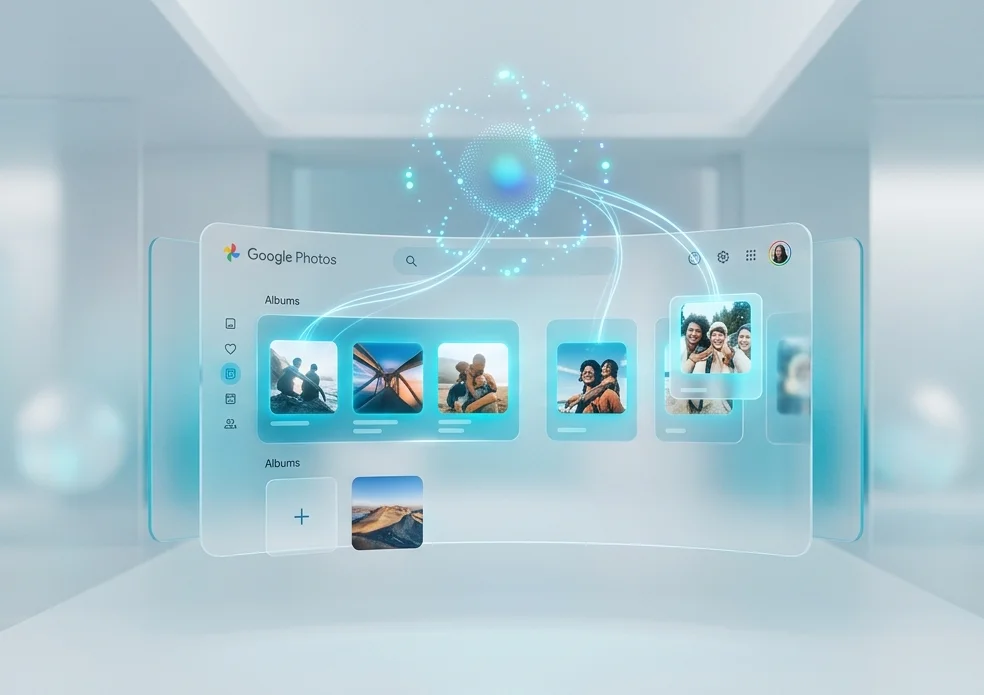
Deep AI Integration into Personal Galleries
Google has taken another step in developing its artificial intelligence ecosystem by announcing the direct integration of the Gemini Spark agent with Google Photos cloud storage. While machine learning algorithms previously performed mainly background face indexing and basic image processing, users now receive a fully functional autonomous assistant to manage their photo archive.
The new system can handle complex contextual instructions in natural language, going far beyond standard tag or location searches. Users no longer need to manually review hundreds of shots to find a specific document or edit a series of vacation photos.
How the New Processing Algorithm Works
At the core of the update is a multimodal model that simultaneously analyzes the visual content of the image, EXIF metadata, and the textual context. The AI understands the intent of the prompt and executes a sequence of actions without requiring additional confirmation for each step.
- Automatic Sorting: The algorithm can identify blurry or duplicate shots and suggest them for deletion or archiving.
- Complex Editing: Executing multiple operations in a single prompt, such as horizon leveling, white balance correction, and background object removal.
- Contextual Album Creation: Grouping photos based not only on dates or locations, but also on events or emotions on faces.
- Text Description Generation: Automatically generating metadata and captions for social media posts or file sharing.
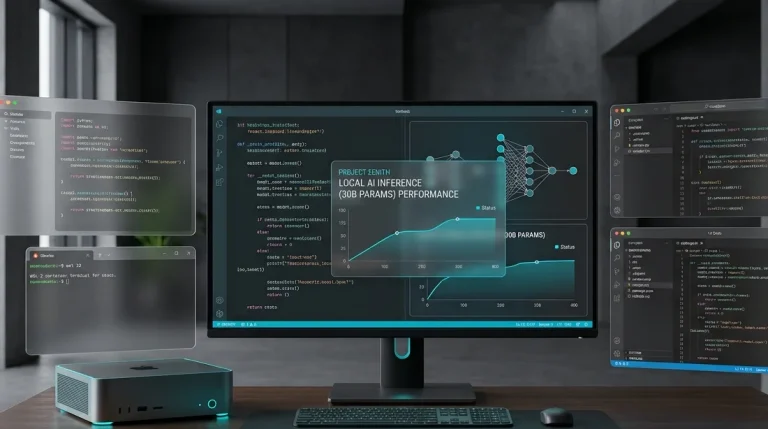
Technical Specifications and Performance Parameters
To ensure high processing speeds, part of the computations is performed directly on the mobile device using optimized algorithms, while complex generative tasks are offloaded to cloud servers.
Data Security and Privacy
Handling private photos remains one of the most critical aspects when introducing artificial intelligence tools. Developers emphasize that all personal images are processed in compliance with strict encryption protocols.
User data from Google Photos is not used for general training of global Gemini models without explicit consent. All local operations related to sorting and face analysis remain within the user private account.
Practical Use Cases
The new tool significantly simplifies everyday management of large media libraries. For instance, users can ask the system to find all receipt photos from the past month, snapshot notes from a whiteboard, or select the best portraits for printing.
Thanks to natural language understanding, users can issue prompts like “find photos from the mountain trip with clear sunlight and make the colors more vibrant.” The AI will independently select relevant files and apply the required editing presets.
The Future of Personal Media Archives
The integration of Gemini into Google Photos demonstrates a shift from passive data storage to active automation. The service is evolving from a simple cloud drive into an intelligent system that organizes memories and saves valuable time.



0 Comments