
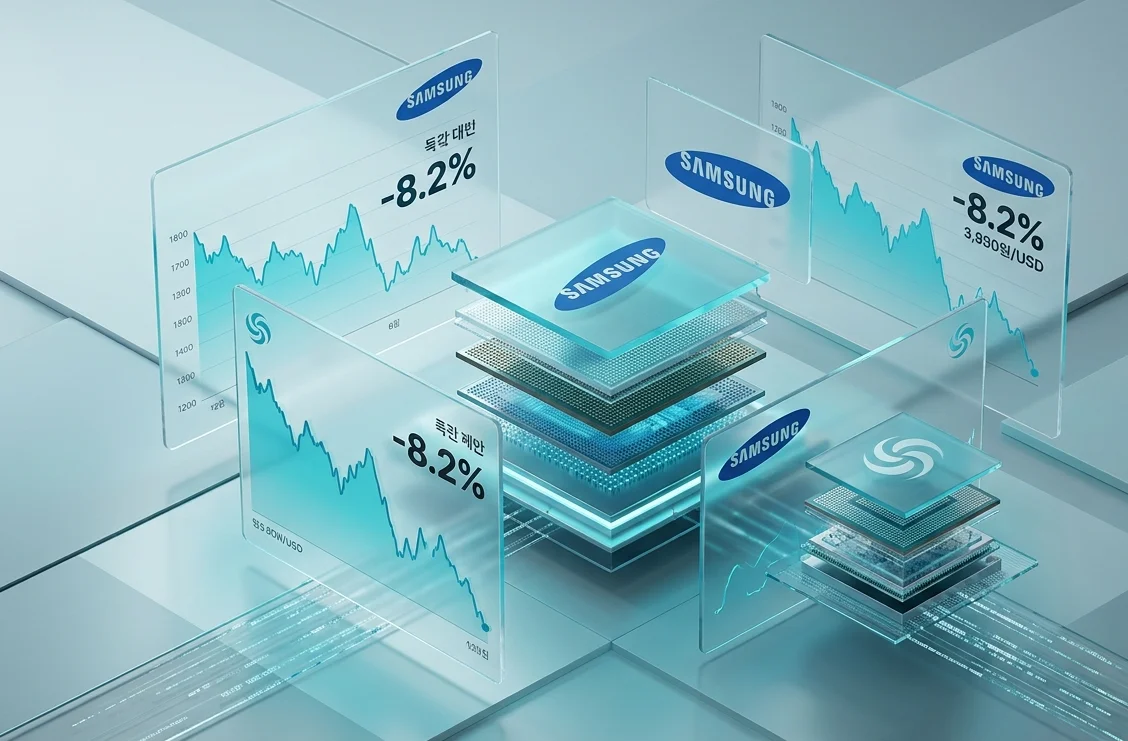
Samsung shares fall as capital return plan disappoints
Shares of Samsung Electronics, the global leader in memory chips and smartphones, recorded a significant drop during trading on August 24, 2026, falling by more than 8%. This sharp decline came after the company announced its new three-year capital return program, which, despite massive payout amounts, failed to meet the high expectations of investors.
The main reason for market disappointment was the lack of a clear intention regarding the buyback and cancellation of treasury shares. Investors, inspired by the rapid growth of the company’s profits due to the Artificial Intelligence (AI) boom, hoped for more active measures to increase shareholder value, rather than just dividend payments. Samsung was expected to utilize its vast cash reserves for stock buybacks, a common practice to boost their price in the technology sector.
Investor and market reaction to Samsung’s plan
Samsung Electronics plans to pay shareholders a total of approximately $80 billion (90 trillion won) over three years, starting this year. This amount, although massive, was already known and baked into expectations. The market, however, desired a ‘pleasant surprise,’ such as an increase in the share buyback component beyond typical levels or a special dividend. The absence of such moves triggered a sell-off as investors assessed the plan as overly conservative.
Outlook and long-term impact factors
Despite the negative reaction to the capital return plan, Samsung’s fundamentals remain strong. The company is a key beneficiary of the global demand for high-bandwidth memory (HBM) chips required for AI servers. Samsung’s profits in this segment are growing rapidly.
Some analysts believe the stock drop is a temporary adjustment, and investors will eventually value the stable cash flows and investments for the future. Others warn that without active steps from management on stock buybacks, Samsung could lose attractiveness compared to competitors (like TSMC), which pursue more aggressive capital return policies. Future dynamics will depend on the growth rate of the AI market and Samsung’s ability to maintain its leadership.


0 Comments