
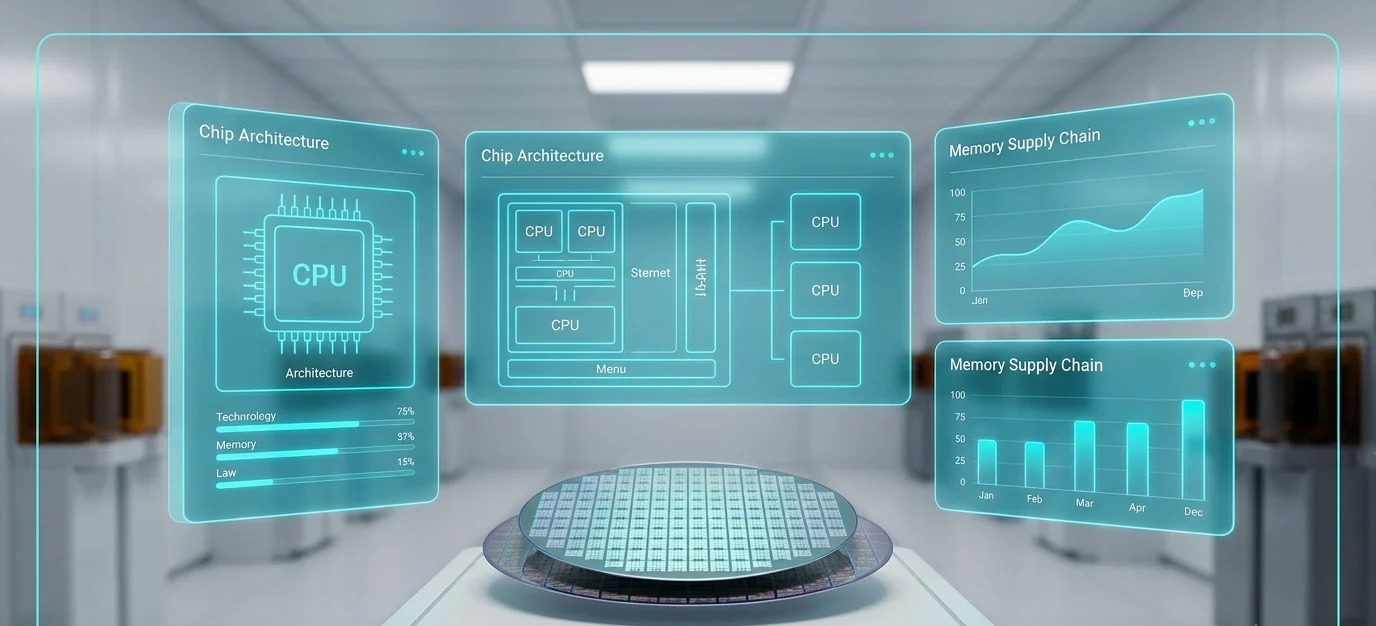
Global Memory Shortage Hits Apple Supply Chain
Vast inventories of silicon wafers containing the latest Apple processors have accumulated in the warehouses of Taiwanese contract semiconductor manufacturer TSMC. Industry analysts estimate the total value of these frozen assets reaches 1 billion dollars. The primary cause of this unprecedented situation is a severe shortage of DRAM memory chips required for final packaging. This supply chain crisis threatens the production schedule of the upcoming iPhone 18 smartphone lineup.
Understanding WMCM Packaging Technology
Manufacturing a modern mobile processor is a multi-stage process. The Apple A20 Pro, designed for the next generation of devices, has successfully completed the lithography stage using the advanced 2-nanometer process node. However, modern architecture requires the integration of computational cores and random access memory into a single package. This method significantly reduces data transfer latency and improves energy efficiency.
The process has halted at the packaging stage. Without the necessary RAM modules, TSMC cannot complete the assembly, turning finished silicon wafers into expensive but non-functional intermediate products. This creates a logistical nightmare for the company’s warehouse facilities.
Causes of the DRAM Chip Shortage
The deficit did not arise out of nowhere. It is a direct consequence of global shifts in the technology industry. Memory manufacturers have massively redirected their production lines to create HBM (High Bandwidth Memory) for artificial intelligence server accelerators. The high profit margins of server solutions have forced companies like SK Hynix, Micron, and Samsung to reduce quotas for standard mobile LPDDR memory production.
- High demand for server hardware from data centers.
- Complexity of transitioning to new LPDDR standards for mobile devices.
- Reduction in overall production volumes of mobile components in favor of AI solutions.
Technical Specifications and Financial Risks
From a technical standpoint, the A20 Pro processor is a significant leap forward. Utilizing TSMC’s 2nm node promises a substantial reduction in power consumption. But the physical absence of memory negates these advantages, as the processor cannot function in isolation. The Cupertino-based company is forced to seek alternative supply sources or negotiate emergency contracts at inflated prices.
Strategy for Overcoming the Supply Crisis
UXTnews experts note that the current situation requires swift decisions from Apple. The company is expected to reallocate its budget, offering memory manufacturers premium payments for urgent DRAM shipments. Another option is a temporary reduction in the production volumes of base smartphone models in favor of flagship versions, for which components are reserved primarily.
Long-Term Consequences for the Smartphone Market
This precedent demonstrates the vulnerability of even the most stable supply chains. The reliance of smartphone manufacturers on a single pool of memory suppliers, who are currently focused on the AI industry, could lead to an overall increase in end-device prices in 2026. Apple’s competitors will also have to adapt to the new realities of the semiconductor market, where priority is given to servers rather than consumer electronics.




0 Comments