
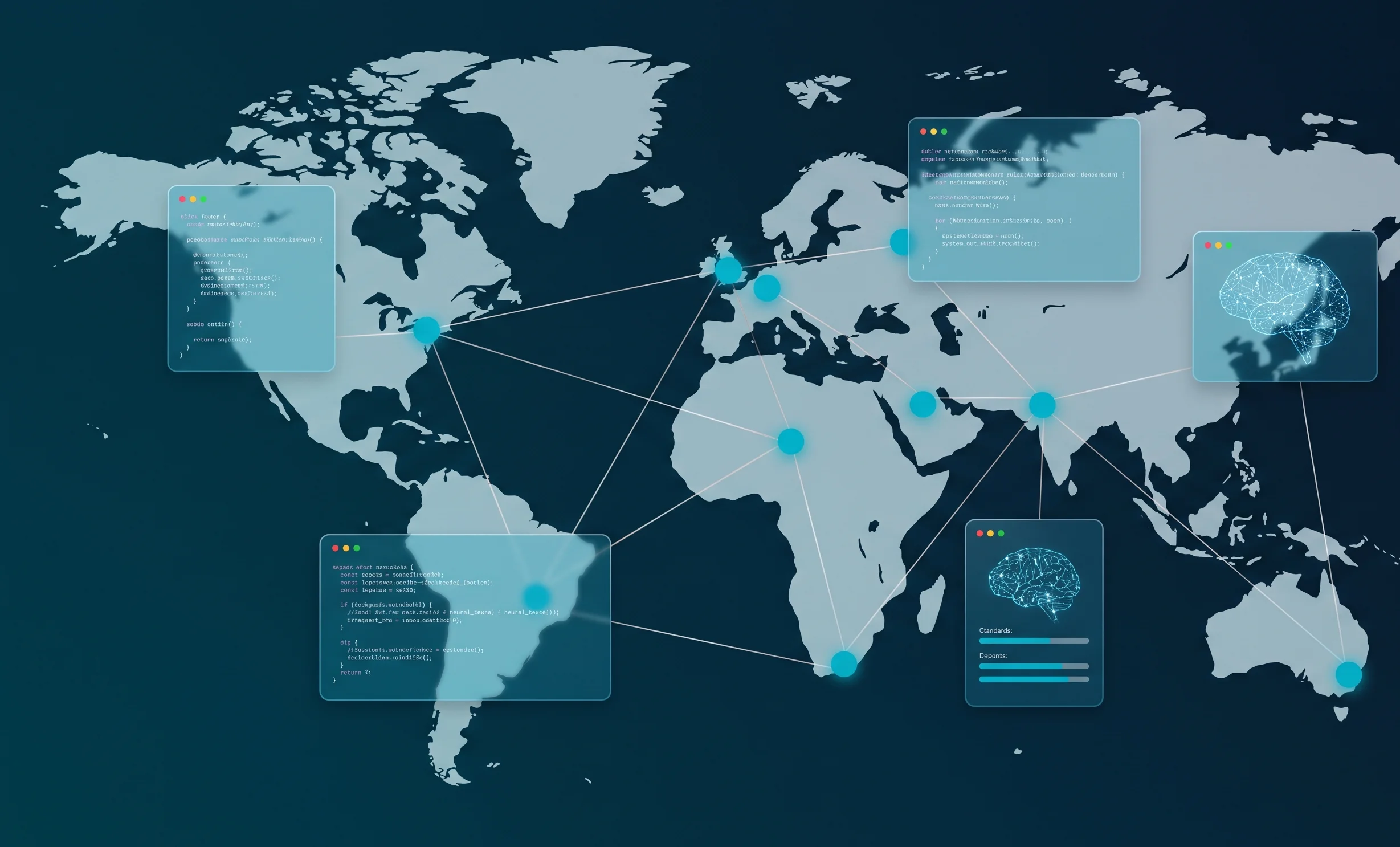
A New Era of Decentralized Technology Development
The creation of an open protocol for artificial intelligence interaction marks a major shift in the architecture of the global digital network. Current AI has launched a large scale initiative aimed at establishing a universal environment for autonomous agent communication. This approach differs fundamentally from the current model where a few large corporations control access to leading models through closed application programming interfaces. Just as the open internet once allowed isolated computer networks to unite into a single space, a similar transformation now awaits the sphere of automated systems.
The main task of the project is to develop a standardized language layer that will allow different models to exchange data, coordinate complex tasks, and collaboratively solve problems without intermediaries. Modern developers are forced to build separate integrations for each platform, which creates significant financial and technical barriers. The new standard is designed to eliminate these limitations, creating transparent conditions for both large research centers and independent engineers.
Architectural Features and Interaction Principles
The decentralized network is based on the principles of node equality. Each system participant can deploy their own agent, which automatically becomes part of the global knowledge graph. Interaction occurs via optimized cryptographic protocols that ensure high speed message delivery and data source verification. This addresses a key problem of modern artificial intelligence systems – the issue of trust and authenticity of information transmitted between autonomous programs.
An important element of the architecture is the layered structure of request processing. The first layer is responsible for basic routing and establishing connections between agents. The second layer performs semantic translation, transforming the internal data representations of one model into a format understandable by another system. The third layer is intended for consensus and recording the results of complex task execution. This structure minimizes delays and allows the network to scale to millions of simultaneous sessions.
Comparative Analysis of Integration Approaches
To understand the advantages of an open protocol, it is worth comparing it with existing commercial solutions. Closed ecosystems offer high speed at initial stages but limit development flexibility and create complete dependence on a single company policies.
Economic Model and Initiative Funding
Since the project is developing as a non profit initiative, its viability model differs significantly from traditional Silicon Valley startups. Funding is provided through a consortium of charitable foundations, scientific research grants, and contributions from technology companies interested in reducing their dependence on market monopolists. This allows the team to focus on the long term stability of the protocol rather than fast monetization of user data.
The absence of transaction fees within the network creates conditions for the emergence of new types of services. For instance, micro agents can perform minor analytical tasks in real time, sharing results with other nodes. In a traditional system, the cost of paying for each API call would make such a model economically unviable. Thanks to the free foundation, developers get the opportunity to build complex multi level systems without fear of receiving huge bills for cloud infrastructure.
Security and Privacy in a Distributed Network
Information protection in a system where anyone can become a node requires fundamentally new approaches to security. Current AI implements end to end encryption standards for all types of communication between agents. User data is not stored on central servers, as they simply do not exist. Information exchange occurs directly between the interested parties, while the public ledger only records the facts of successful interaction without disclosing message content.
To prevent the spread of malicious or unreliable content, a node reputation system is being introduced. Each agent has a digital certificate confirming its compliance with network standards. If a node begins to generate spam or attempts to attack the system, its reputation index drops, and other participants automatically limit interaction with it. This allows maintaining high quality network performance without introducing strict censorship.
Prospects and Global Industry Impact
The development of an open network can fundamentally change the balance of power in the technology sector. Democratization of technology access will allow small companies and research groups to compete on equal terms with market leaders. Instead of building their own isolated infrastructures, developers will be able to connect to a ready made ecosystem and use the collective capabilities of thousands of integrated artificial intelligence models.
In the long term, this protocol is capable of becoming the foundation for creating a new type of digital space where interaction between human and machine, as well as between machines directly, will be seamless and secure. Standardization of interfaces will allow automating complex business processes, scientific research, and daily tasks, making intelligent technologies accessible to every inhabitant of the planet regardless of their financial capabilities.




0 Comments