
Cyberattack Details on Civil Defense Infrastructure
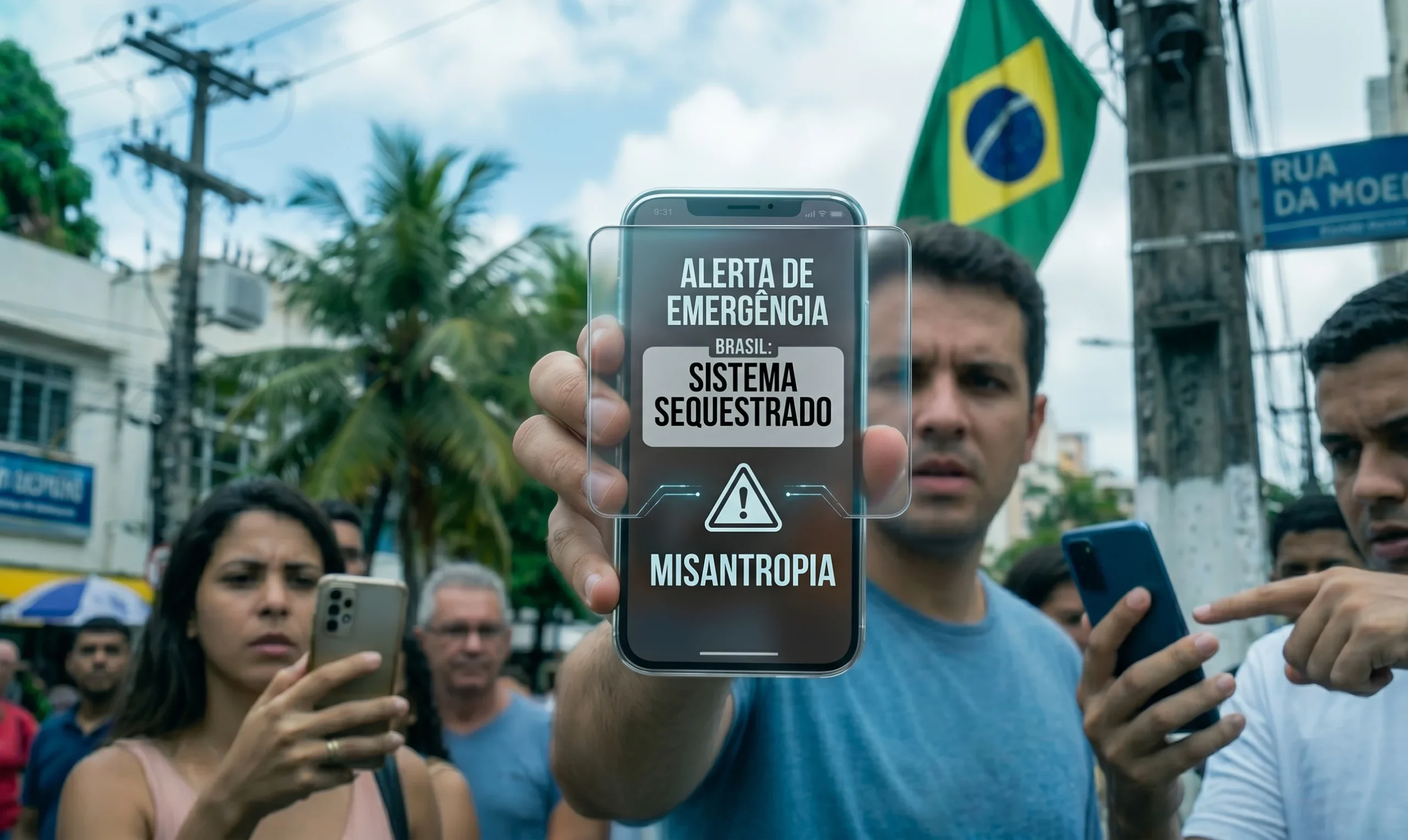
Brazil’s national emergency alert system suffered a severe compromise due to unauthorized network access. Attackers managed to intercept control over the mass notification infrastructure and broadcasted a single word misantropia to millions of citizens. The incident caused significant public resonance and forced government agencies to immediately shut down the system for a complete security audit.
According to preliminary investigation data, the breach was made possible through the leakage of virtual private network (VPN) credentials belonging to a technical employee of the department. The use of compromised passwords without additional authentication factors remains one of the primary vulnerabilities in corporate and government networks. Cybercriminals used legitimate access to log into the alert management panel, bypassing standard automated perimeter defenses.
Incident Timeline and Government Response
The unauthorized broadcast occurred during evening hours when mobile network loads are traditionally high. Within minutes, millions of users across various mobile operators received a critical alert on their smartphone screens. The unique feature of this system is its ability to bypass standard silent mode settings and display text over all active windows accompanied by a distinct alarm sound.
The technical team’s response was swift. Fifteen minutes after detecting the first unauthorized broadcast, engineers completely isolated the servers from the external network. The National Crisis Management Center confirmed the hack and assured that no leakage of citizens’ personal data or critical defense infrastructure information occurred. The Federal Police of Brazil opened a criminal investigation into unauthorized access to computer systems.
Analysis of System Technical Vulnerabilities
Cybersecurity experts note that such incidents demonstrate structural weaknesses in the architecture of many modern public warning systems. The main issue lies in the over-centralization of access rights. If a single account possesses the authority to trigger a nationwide alert without mandatory confirmation from a second operator, the system remains vulnerable to human error or phishing.
To minimize similar risks in the future, the Brazilian government plans to completely reorganize the civil defense system architecture. Specifically, the introduction of cryptographic signing for every message before it is sent to mobile operator gateways is being considered. This will prevent text broadcasting even if an attacker gains physical or virtual access to the control console.
International Experience and Industry Takeaways
The Brazilian precedent is not unique in global practice. Similar false alarms due to human errors or hacker attacks have previously occurred in other nations. However, the use of philosophical terms like misanthropy suggests that the attack’s purpose was likely not to cause mass panic, but rather to demonstrate the vulnerability of the state digital apparatus or to test methods of bypassing defense systems for future larger-scale operations.
Modern threat analysis shows that over 80% of successful penetrations into closed networks occur due to the compromise of legitimate employee credentials. Enforcing stricter password policies, regular digital hygiene training, and adopting a Zero Trust concept represent the only effective ways to protect critical infrastructure assets from targeted cyberattacks.




0 Comments