
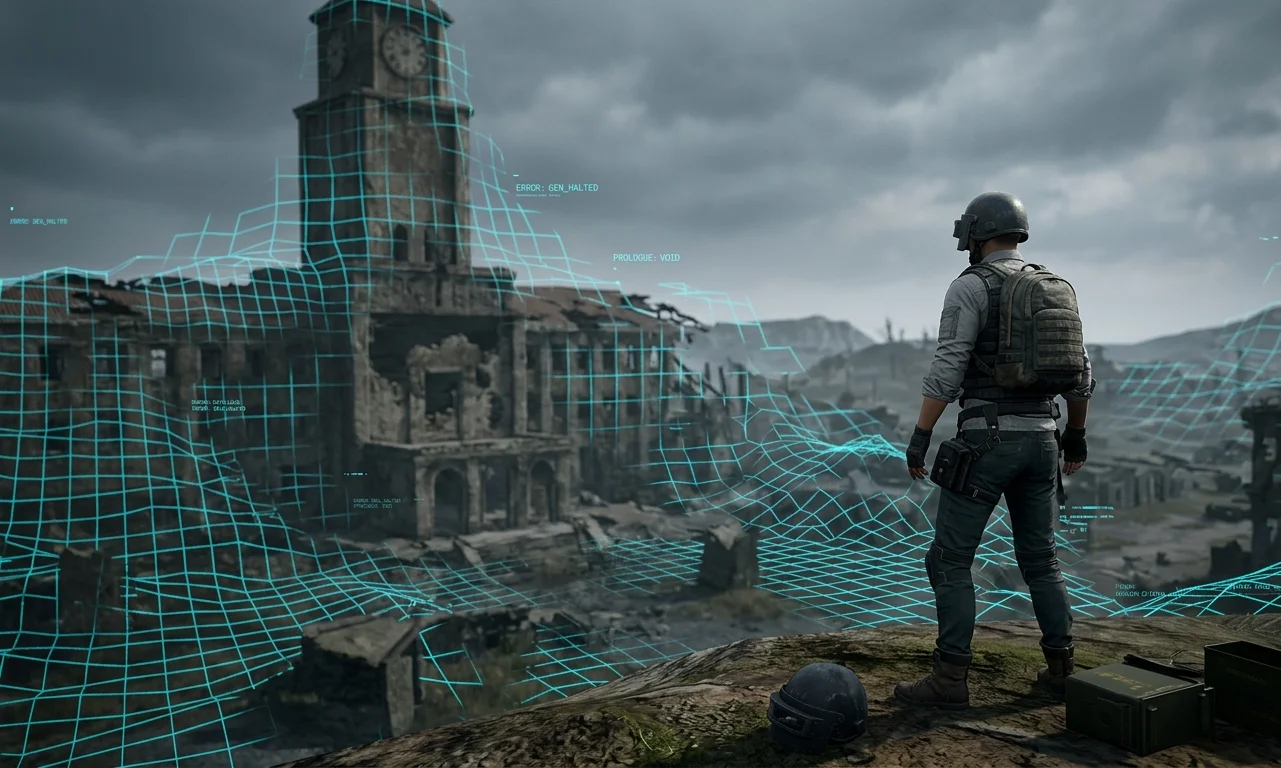
A Shift in Strategy for the Acclaimed Game Designer
Brendan Greene, internationally recognized in the gaming industry under the pseudonym PlayerUnknown and as the pioneer of the battle royale genre, has officially announced a major restructuring of his independent studio, PlayerUnknown Productions. As part of an effort to optimize internal processes and reduce operational expenses, the company is forced to significantly downsize its staff. Alongside these layoffs, the developers are completely halting work on their experimental project titled Prologue, which was intended to showcase new procedural generation technologies for massive game worlds.
The primary reason behind this drastic measure is the unsustainable financial cost associated with creating and maintaining a proprietary technological foundation. For a long period, the studio had been developing an ambitious game engine called Melba, designed to deliver unprecedented levels of detail and realism for survival simulations. However, maintaining a large team of specialists and dealing with the sheer technical complexity of building development tools from scratch forced management to re-evaluate their future plans.
Studio History and Ambitious Visions
Following the massive success of PlayerUnknown’s Battlegrounds, which fundamentally reshaped the modern gaming landscape and generated billions in revenue for publisher Krafton, Brendan Greene decided to step away from mainstream commercial projects. In 2019, he established the PUBG Special Projects division in Amsterdam, which later evolved into the fully independent PlayerUnknown Productions. The core mission of the new team was to create technologies capable of generating open worlds spanning thousands of square kilometers with realistic ecosystems.
The Prologue project, first teased in late 2019, was envisioned as the initial public step toward realizing this concept. Players were promised a unique survival experience in a harsh, snow-covered forest where every single playthrough would be entirely unique due to advanced procedural algorithms. Users were expected to gather resources, navigate terrain, and withstand severe weather patterns without traditional map markers or user interface prompts.
The Technological Challenge of the Melba Engine
The core efforts of the PlayerUnknown Productions team were centered around the development of the Melba engine. The developers aimed to break away from traditional design methodologies, where environmental levels are crafted manually by artists. Instead, the plan involved utilizing artificial intelligence and complex mathematical models to generate landscapes, flora, and fauna in real time directly during gameplay.
Building such an infrastructure demanded immense computational resources and required employing highly paid experts in machine learning and low-level programming. In the current realities of the video game market, where development costs are consistently rising, sustaining a specialized technological laboratory without a steady stream of revenue proved to be an impossible task for an independent studio.
Reasons for Prologue Cancellation and Layoff Impact
The decision to halt Prologue development and reduce headcount came after a thorough analysis of the studio’s financial health. Despite initial backing and substantial seed capital, PlayerUnknown Productions failed to achieve self-sustainability or secure additional funding necessary to complete long-term research. The procedural generation of a world on this scale hit several technical bottlenecks that would require years of further active development to resolve.
While the exact number of affected employees remains undisclosed, internal company sources indicate that a significant portion of designers and programmers working directly on game content were laid off. Studio management is working to provide maximum support to those departing the team, offering recommendations and severance packages in accordance with regional labor laws.
The Future of Brendan Greene and His Venture
Despite this severe crisis and the outright cancellation of their debut title, Brendan Greene does not plan to shutter PlayerUnknown Productions entirely. The remaining skeleton crew will shift focus toward preserving the technological breakthroughs and intellectual property developed so far. Options under consideration include licensing specific components of the Melba engine to external studios or finding a major publisher willing to finance continued research into procedural modeling.
Greene noted that developing bleeding-edge tech always carries immense risk, and the current situation serves as a painful but necessary lesson for the team. The video game industry in 2026 exhibits high sensitivity toward prolonged development cycles that do not yield a commercial release, making the studio’s transition to a more conservative operational model a logical step for long-term survival.
Experimental game design often collides with harsh economic realities when the cost of specialized tools surpasses the potential revenue of initial product prototypes.
This situation highlights a broader market trend where even well-known and historically successful developers face immense friction when building large-scale technological projects without the structural safety net of major media conglomerates.



0 Comments