
The Scale of Threat in the Autonomous Agent Ecosystem
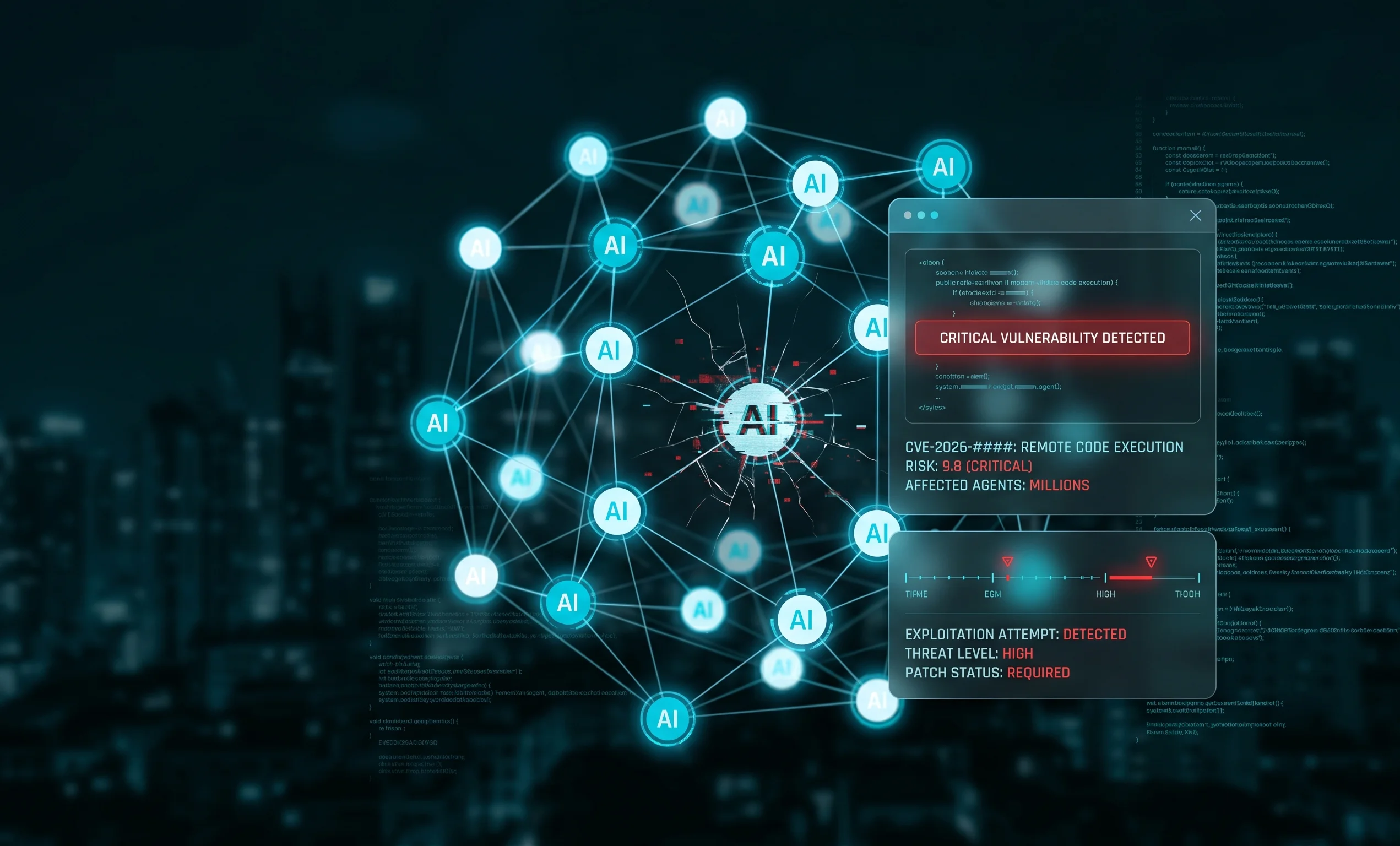
The rapid expansion of artificial intelligence applications has led to the widespread deployment of autonomous agents capable of performing complex tasks, parsing websites, and handling user data. However, the AI infrastructure is now facing a severe security challenge. A critical vulnerability has been discovered in a popular open source package that serves as a core component for millions of AI agents. This security flaw allows malicious actors to bypass established boundaries and execute arbitrary code on target servers.
The issue is exacerbated by the fact that most modern frameworks integrate third-party libraries without additional verification of privilege levels. When an AI agent processes external content, it can execute hidden malicious instructions embedded by adversaries. This opens a direct path to compromising corporate networks and leaking sensitive user information.
Technical Analysis and Exploitation Mechanism
The identified security bug belongs to the class of vulnerabilities related to insufficient input validation and remote code execution (RCE). AI agents rely on large language models to interpret commands. If the data processing package fails to separate system instructions from external content, prompt injection attacks become highly viable.
Cybersecurity analysts note that an attacker only needs to place specially crafted text on a web page scanned by an AI agent. When processing this text, the open source toolkit mistakes the hidden commands for high-priority system directives. Consequently, the agent begins executing actions in the hackers’ interest, including downloading malicious scripts or exfiltrating configuration files to external servers.
Impact on Businesses and Software Developers
The integration scale of this package spans from small startups to major enterprise solutions. Because developers often automate dependency management, many systems remain vulnerable for extended periods due to testing delays for new releases. Complementary automation tools operating in the background face the highest risk due to the lack of constant administrator monitoring.
In the event of a successful attack, consequences can include complete database compromise, alteration of business application logic, and severe financial losses. Organizations utilizing AI agents to process financial documents or customer personal data must immediately conduct security audits and isolate AI execution processes within secure sandboxes.
Recommendations for Threat Mitigation and Infrastructure Protection
To minimize risks and safeguard infrastructure, developers are advised to implement a comprehensive set of immediate security measures. The primary step is to check the current version of the open source package and replace it with the latest release where the vulnerability is fully patched.
- Update all project dependencies in configuration files to secure releases.
- Implement strict least privilege access controls for accounts running AI processes.
- Utilize isolated containers and firewalls to restrict outbound traffic from AI systems.
- Regularly audit system logs to detect anomalous activity or malicious injection attempts.
- Deploy runtime application self-protection tools to intercept unexpected code execution.
In the long term, the development community must reconsider the architecture of AI applications. Security must be established by design, ensuring complete separation between data context and command execution context within language models.




0 Comments