
Legalization of User-Generated AI Content in Streaming
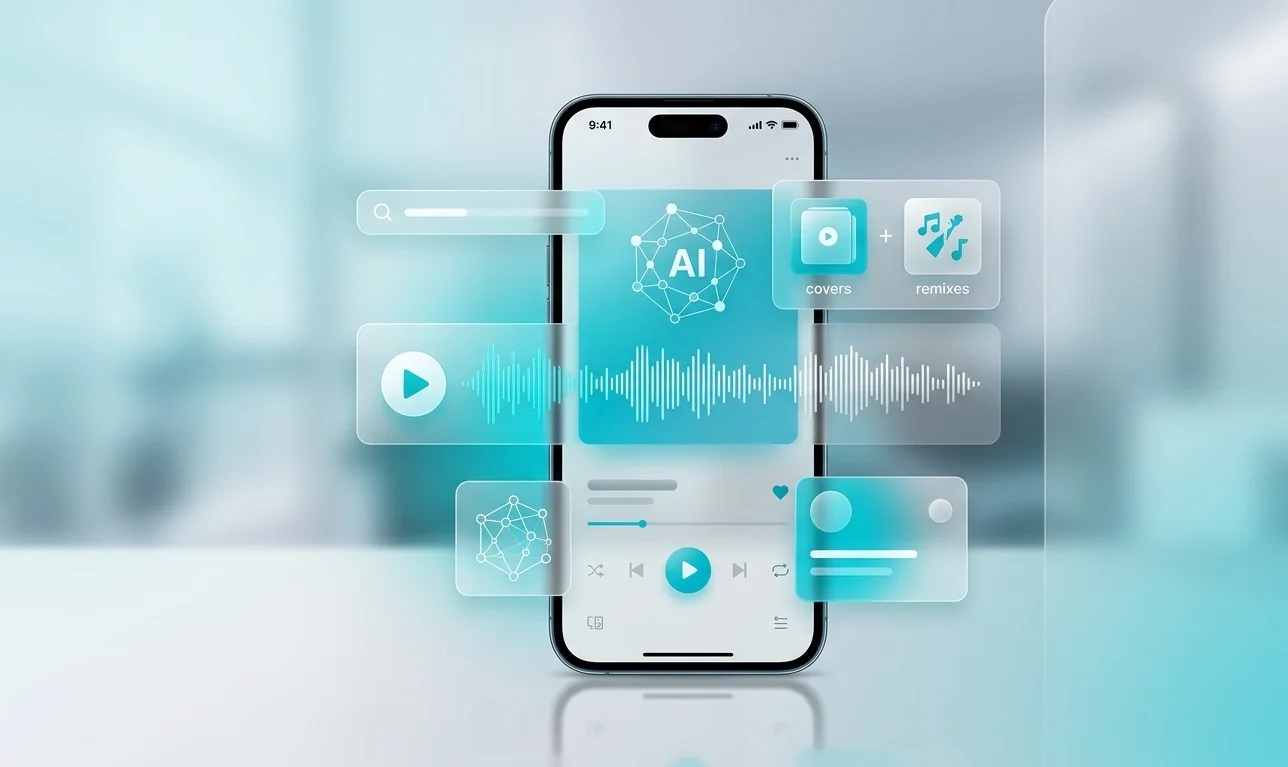
The streaming platform Spotify, in cooperation with the media conglomerate Universal Music Group, has signed a strategic agreement that opens a new era in interaction between listeners and copyright holders. Under this partnership, platform users with a premium subscription will receive legal tools to create cover versions and remixes based on tracks of famous artists using integrated generative artificial intelligence algorithms. This decision is the first major precedent where a large streaming service and the world’s largest music label join forces for the safe and commercially viable integration of user neural network modifications into the legal field.
Previously, the record industry held an exclusively defensive position regarding generative networks. The emergence of amateur tracks imitating the voices of famous artists caused a wave of lawsuits and blocks on popular platforms. However, the new initiative demonstrates a paradigm shift from a total ban to controlled monetization. Instead of fighting inevitable technological progress, copyright holders are trying to lead this process, creating transparent rules of the game for all market participants.
Technological Features and Platform Functionality
The new toolkit will be integrated directly into the mobile and desktop applications of the service. Subscribers of premium plans will have access to a special editor, where using text prompts or selecting ready-made presets, it will be possible to change the tempo, arrangement, vocal parts, and general style of original compositions. Artificial intelligence analyzes the structure of the audio file and allows for deep transformation without loss of quality and without the need to possess professional sound engineering skills.
An important aspect is that the tool will work only with those catalogs and artists who voluntarily agreed to participate in the program. Artists will receive the ability to flexibly configure access to their materials. For example, an artist can allow changing the instrumental part but ban the generation of covers with a change of their voice, or vice versa. This approach allows maintaining creative control and protecting the unique identity of each musician.
Financial Model and Revenue Distribution
All music created by users will remain within the streaming ecosystem. Users will not be able to download generated files to their devices or distribute them on third-party platforms. Any cover or remix is registered in a single database under a unique identifier, which allows accurately tracking the number of plays and calculating royalties.
The economic feasibility of the project is based on the introduction of an additional fee for access to AI tools or the inclusion of this option in higher tariff plans. It is expected that the basic subscription costing about 11 USD per month will not cover these functions, and users will have to buy a special addon at a price of 3 USD to 5 USD per month. The profit obtained will be distributed among the platform, the label, and the direct authors of the original content according to a special proportional scheme.
Legal Aspects and Copyright Protection
One of the main problems of generative art is compliance with intellectual property laws. The agreement between the two giants solves this problem by creating a closed licensing cycle. Neural networks train exclusively on legal content provided by the label, which completely excludes allegations of piracy or unauthorized use of other people’s work. Each element of generation is protected by digital watermarks that cannot be removed without damaging the audio structure.
In addition, the system will automatically block attempts to create offensive, politicized, or obscene content using the voices of famous artists. Moderation will take place at the stage of processing the user request, which minimizes the risks of reputational losses for performers. This creates a safe environment where technologies help reveal the creative potential of amateurs without violating the rights of professional creators.
Impact on the Music Industry and Future Prospects
Market experts believe that this step will radically change the model of content consumption. Passive listening is gradually giving way to interactive interaction, where every fan becomes a co-author. This can significantly increase audience engagement and increase the time users spend in the application, which will positively affect the capitalization of technology companies.
In the future, other major players such as Sony Music and Warner Music Group may join this initiative. If the experiment proves financially successful, the industry will receive a completely new source of monetization, which will compensate for the slowing growth rates of traditional streaming. Artificial intelligence turns from the main threat to musicians into one of the most effective tools for increasing their profits and popularizing creativity among the younger generation.
Technical Challenges and Infrastructure Scaling
Realizing such a large-scale project requires colossal computing power. Generating high-quality audio in real time for millions of users simultaneously creates a huge load on server systems. The platform actively invests in the development of cloud technologies and algorithm optimization to reduce delays when processing requests.
A separate challenge is the development of algorithms for precise recognition of the fractional participation of each author in combined remixes, where elements of several different songs can be used. The digital accounting system must work flawlessly to avoid conflicts between different copyright holders and ensure fair payment of rewards to all involved parties. The success of this technological integration will determine the development of digital distribution for the next decade.


0 Comments