
- Reasons for the Broad Abandonment of Automated Inventory Tools
- Technical Flaws and Systematic Errors in Computer Vision
- Leadership Change and Overhaul of Corporate Development Strategy
- Supply Chain Hardships and Wider Implications for the Retail Sector
- The Future of Technology Innovations in Food and Beverage Industries
Reasons for the Broad Abandonment of Automated Inventory Tools
The global coffeehouse industry leader Starbucks has officially terminated its large-scale experiment involving the integration of artificial intelligence into logistics and stock management. The technology tool, designed to simplify the daily routine of baristas, was completely removed from operation across North American locations just nine months after its regional rollout began. This move has established a notable precedent in modern retail, where a major transnational corporation intentionally withdraws an innovative digital tool in favor of time-tested, traditional business management methods.
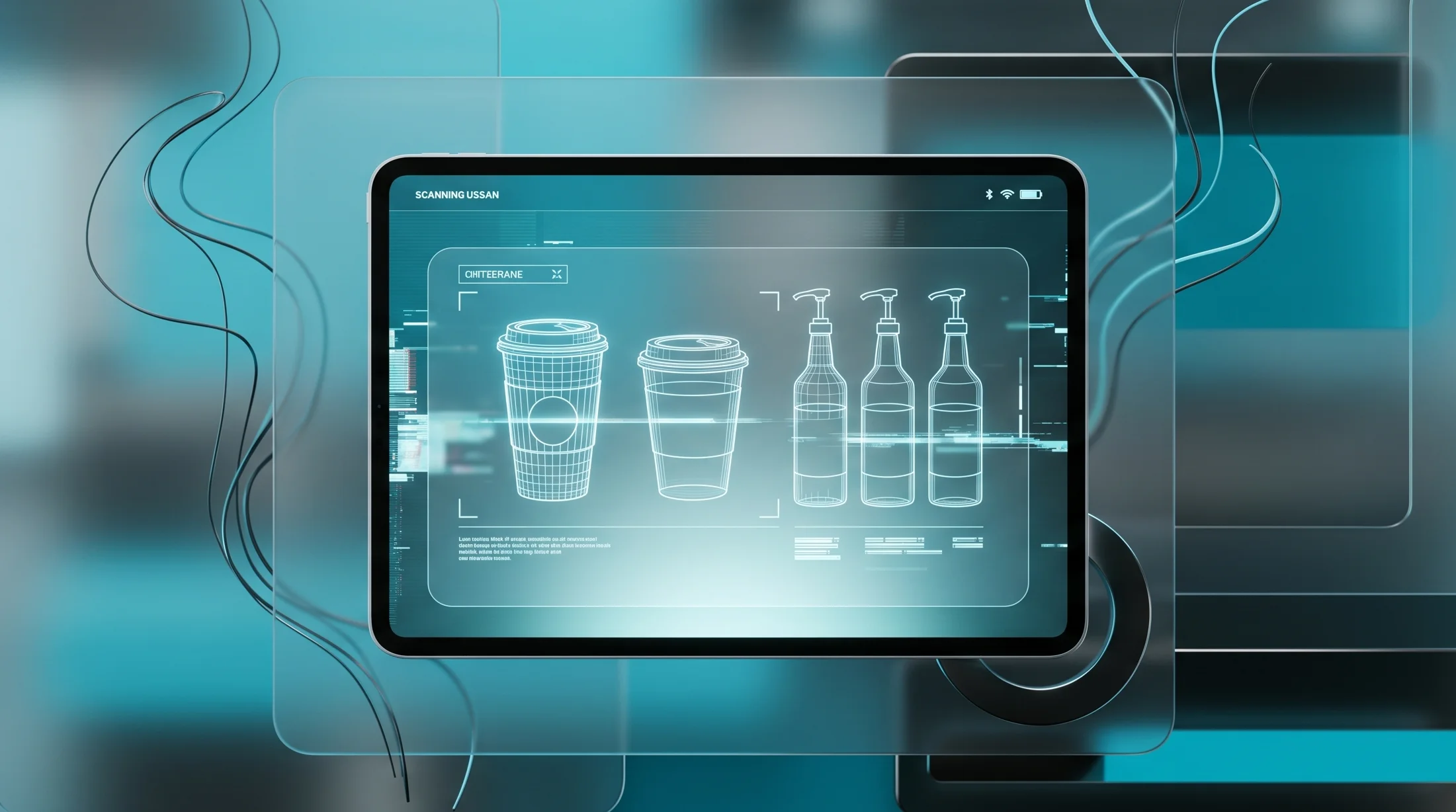
The computer vision tool, co-developed with tech startup NomadGo, was positioned as a highly efficient alternative to manual inventory counts. Coffeehouse employees were instructed to use tablets equipped with specialized software to quickly scan shelves containing milk, syrups, paper cups, and other consumables. It was assumed that the algorithms would instantly identify remaining stock and automatically generate replenishment orders for regional warehouses. However, reality proved far more complex, and the system demonstrated an unacceptably low level of accuracy under the everyday conditions of busy urban locations.
Technical Flaws and Systematic Errors in Computer Vision
The primary driver behind the cancellation of the project was the chronic inability of the artificial intelligence to correctly recognize objects within coffeehouse storage areas. Baristas regularly encountered situations where the software confused identically shaped bottles containing different syrup flavors or completely overlooked product packaging positioned deep on the shelves. As a result, the automatically generated orders contained critical errors. Coffeehouses received an excessive volume of certain items, while other high-demand ingredients were completely omitted from the delivery schedules, creating severe imbalances within the internal logistics network.
This problem became particularly acute during peak operational hours. The time required for baristas to manually correct the erroneous data proposed by the automation exceeded the duration of a standard manual inventory count. Employees had to dedicate additional hours to verifying every digital report, which completely invalidated the initial premise of labor optimization. Instead of the promised operational relief, the staff received an extra administrative burden that directly degraded customer service speed at the counter.
Leadership Change and Overhaul of Corporate Development Strategy
The decision to scrap the unsuccessful digital product coincided with major personnel changes within the highest echelons of corporate management. The new Chief Executive Officer, Brian Niccol, who took the helm of the corporation with a clear mandate to stabilize financial performance, initiated a comprehensive audit of all ongoing technological projects. The strategy of the new leader contrasts sharply with the policies of his predecessor, who prioritized aggressive digitalization without sufficient validation of practical viability.
Brian Niccol publicly emphasized that the primary focus for the company must be a return to the core values of a classic coffeehouse, where customer comfort and store partner stability play central roles. Tools that slow down baristas or introduce chaos into supply logistics are subject to immediate termination. The corporation decided to reallocate financial resources toward direct support of store-level employees, modernization of traditional kitchen hardware, and optimization of physical distribution routes for essential ingredients.
Supply Chain Hardships and Wider Implications for the Retail Sector
The failed automation attempt exacerbated an already tense situation within the brand’s logistics infrastructure. Over several months of operating the NomadGo algorithm, certain regional distribution centers accumulated massive surpluses of specific items, while popular selections like breakfast sandwiches or alternative milk options faced persistent shortages. Some stores were forced to independently procure consumables from local third-party suppliers using cash reserves just to keep operations running, which represented a severe departure from standard corporate compliance policies.
This incident demonstrated to the entire retail sector that automated data analysis tools are not yet capable of fully replacing human judgment under the specific conditions of back-of-house inventory tracking. Many market analysts note that the Starbucks case will force other large food and beverage chains to adopt a more conservative approach toward integrating similar solutions, demanding extensive localized testing from software developers prior to launching tools on a continental scale.
The Future of Technology Innovations in Food and Beverage Industries
Despite the termination of this specific computer vision program, the brand does not plan to abandon digital technologies entirely. The company continues to actively develop its mobile application, rewards platform, and personalized consumer recommendation algorithms. However, the vector of technological innovation is shifting away from internal inventory workflows toward front-facing customer interactions, where mathematical models demonstrate significantly higher efficiency and directly drive average order value growth.
The experience gained from utilizing NomadGo software proved that implementing automation solely for the sake of technology often yields counterproductive results. The success of technological modernization in retail depends not on flashy software presentations, but on its practical capacity to make the work of front-line employees easier. For the coming years, the strategic direction for the industry will center on creating hybrid frameworks where artificial intelligence operates strictly in an advisory capacity, while final decisions and verification remain with qualified personnel.



0 Comments