
Analysis of New Corporate Surveillance Methods in the Meta Ecosystem
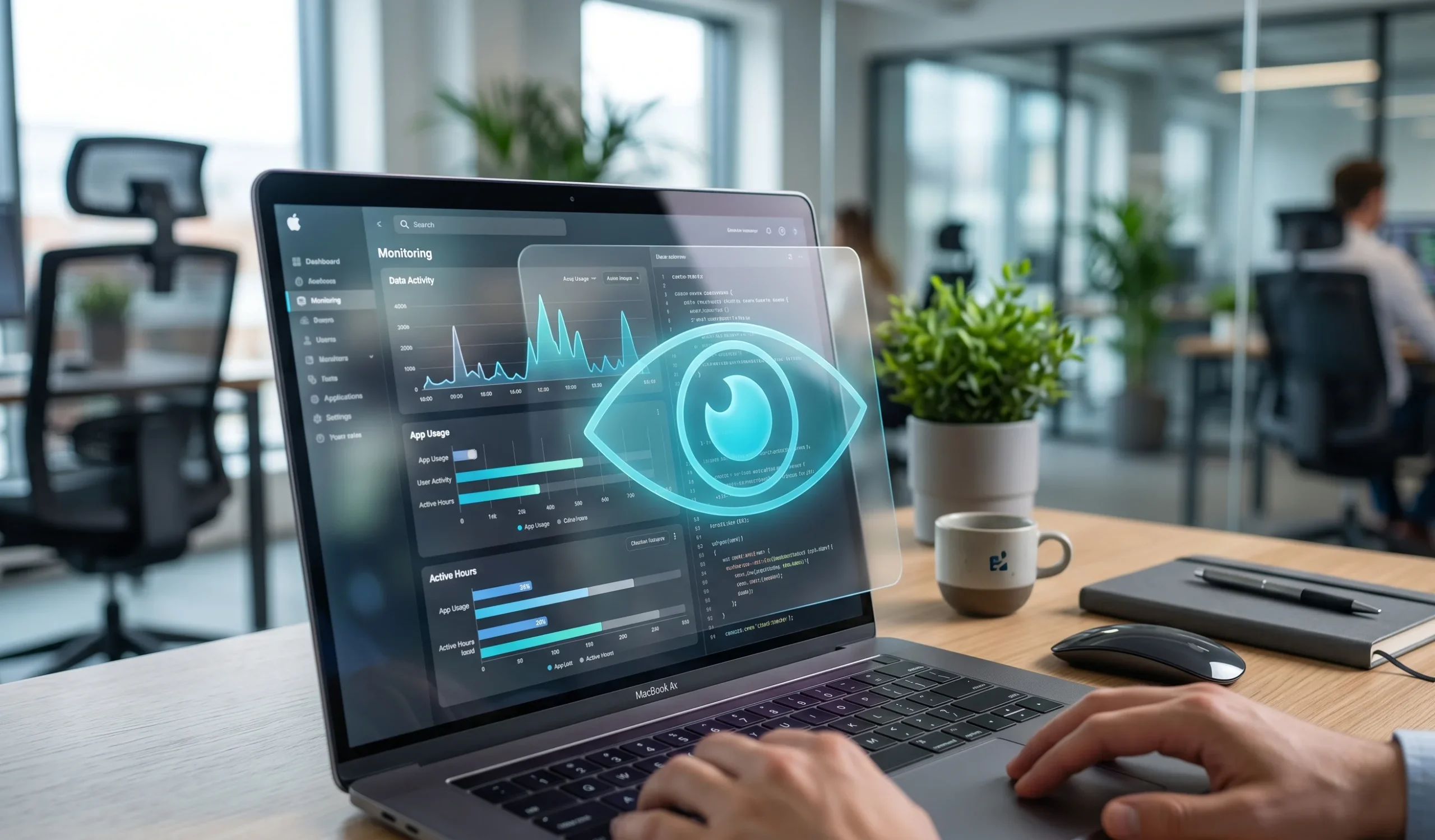
Recent changes in Meta’s corporate policy have sparked a wave of concern among technical specialists. Following the completion of the massive layoffs period known as the Year of Efficiency, management has focused on deep integration of automated control tools. We are talking about bossware-class software capable of tracking each employee’s activity with second-by-second detail.
The implementation of such systems is explained by the need to optimize workflows within the hybrid work model. However, the company’s engineers perceive this as a direct encroachment on professional autonomy. The main focus is on the fact that technical creativity and the development of complex systems cannot be measured by a simple count of keystrokes or mouse activity.
Technical Features of Monitoring Software
The systems being deployed on Meta employees’ workstations have advanced functionality for metrics collection. They are integrated at the operating system level, allowing data to be gathered bypassing standard user privacy settings. The software package collects information on app usage, time spent on specific web resources, and even analyzes the intensity of interaction with peripheral devices.
Legal and Ethical Challenges for Big Tech
Applying such radical control measures poses serious legal challenges for Meta, especially in the European Union’s jurisdiction. GDPR regulations require employers to adhere to the principle of data minimization. When data collection becomes excessive, it can be interpreted as a violation of privacy rights. Furthermore, the ethical aspect remains extremely sharp: the professional community points out that trust is a critical component for developing innovative products.
Security experts emphasize that excessive surveillance creates additional attack vectors. Centralized databases storing activity logs and desktop screenshots of thousands of engineers become a priority target for industrial espionage. In the event of such information leaking, attackers could gain access to confidential developments and architectural solutions even before their official release.
Impact on Corporate Culture and Talent Retention
Mass protests from employees, appearing in internal communication channels and on anonymous platforms like Blind, indicate a deep loyalty crisis. For a company competing for top talent in AI and virtual reality, losing a reputation as a reliable employer could have fatal consequences. Highly skilled developers typically choose companies with a culture of results rather than a facade of activity.
Meta currently stands at a crossroads: continue the course toward rigid digitalization of control or return to more flexible management models. History shows that in intellectually intensive industries, success depends on employee motivation rather than the severity of oversight. Further developments will show whether the company can find a balance between security and respect for the private space of its specialists.



0 Comments