

Online streaming and digital video technologies are on the verge of a new era. Recently, the first public demonstration of the AV2 codec, which is being developed by the Alliance for Open Media consortium, took place. The most impressive fact was that the video was launched and decoded on a regular serial laptop without the use of specialized hardware accelerators. This indicates a high optimization of the algorithms already at the development stage.
AV2 vs. AV1: Main Differences and Advantages
The previous AV1 standard has already become an industry benchmark, providing high quality at low bitrates. However, AV2 sets even more ambitious goals. The main task of the new format is to ensure stable streaming in 8K resolution and the development of VR technologies.
- Compression efficiency: AV2 provides 15-20% better compression compared to AV1 for similar picture quality.
- New AI tools: Use AI elements to improve image block prediction and reduce visual noise.
- Load reduction: Optimized filters allow video playback even on devices with average specifications.
- Openness: Like its predecessor, AV2 remains completely royalty-free, saving billions of dollars for services like YouTube.
Technical innovations within the new standard
The developers have integrated advanced signal processing methods into AV2. In particular, the “intra-prediction” system has been updated, which allows for more accurate prediction of changes in frames. This is critical for dynamic scenes in movies and games. Thanks to this, the amount of data that needs to be transmitted over the network is significantly reduced without losing the clarity of fine details.
Why laptop demos are important
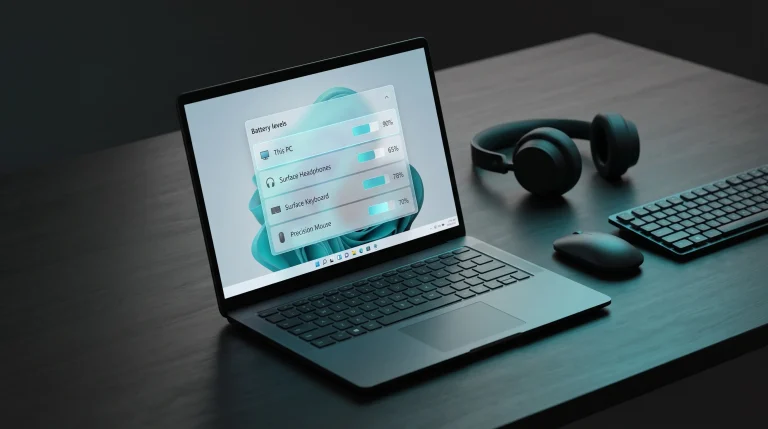
New codecs typically require a lot of power in their early stages. The fact that AV2 was able to run on a standard laptop processor means that software decoding is becoming a reality. This paves the way for rapid adoption of the standard in mobile devices and browsers before chips with full hardware support are available.
The future of free video standards
There are paid alternatives on the market, such as VVC (H.266), which require licensing fees that can be significant in dollars. AV2 offers an alternative path. The use of open source allows developers around the world to implement the technology without financial barriers. While the full deployment of the AV2 ecosystem is expected in the coming years, this successful test proves the readiness of the technology for real-world use.


0 Comments