

New Video Editing Automation Powered by Google Artificial Intelligence
Google has officially announced the expansion of its mobile short-form video platform features. The integration of the Gemini Omni multimodal neural network directly into the YouTube app will allow users to transform existing content using text instructions. This new technology is aimed at simplifying mobile editing, color correction, and real-time visual effects generation.
The introduction of intelligent algorithms is part of Google’s broader strategy to counter competitors in the short vertical video segment. Instead of using third-party editors, users get a comprehensive toolset for rapid content creation directly on their mobile device. The developers note that the system is capable of recognizing complex contextual requests and adapting both video sequences and audio tracks accordingly.
Technical Details of Gemini Omni Operation in YouTube Shorts
The Gemini Omni model operates as an end-to-end multimodal system capable of processing text information, still images, video streams, and audio tracks simultaneously. During the remixing process, the algorithm analyzes the original Shorts video, breaks it down into keyframes, and creates a semantic object map. This allows changing specific elements of the scene without disrupting the overall composition and anatomical precision of human movements in the frame.
The user only needs to select a source video, tap the remix creation button, and enter a description of the desired changes. For example, a request to change the lighting style or add specific visual effects is processed within a few seconds. The neural network automatically redraws textures, adapts white balance, and overlays new graphics layers, while maintaining the original sync of audio and lip movements.
Comparing Traditional Video Editing and AI Remixing Capabilities
To understand the effectiveness of the new system, it is worth comparing the time and resource costs of performing similar tasks using standard mobile applications and the integrated Google model.
As shown in the data, the main processing load is transferred to Google’s cloud infrastructure. This eliminates the hardware limitations of mid-range and budget mobile devices. Users of older smartphone models get the same rendering speed as owners of flagship devices, since only the decoding of the finished video stream is performed locally.
Impact on Creator Ecosystem and Copyright Management
The implementation of automated remixing triggers discussions among professional content creators. The YouTube platform plans to implement a two-tier protection and labeling system. First, all video clips created or modified with Gemini Omni will receive an obligatory digital watermark called SynthID, which cannot be removed by standard cropping. Second, authors of original videos will be able to completely prohibit the use of their content for AI modifications in their channel settings.
A revenue sharing mechanism for monetization is also being considered. If an AI-based remix becomes popular, a portion of the ad revenue from the Shorts feed will automatically be credited to the author of the original audio or video track. This will help maintain a balance of interests between creators who establish initial trends and users who scale them using artificial intelligence technologies.
Future Perspectives and Integration with Other Google Services
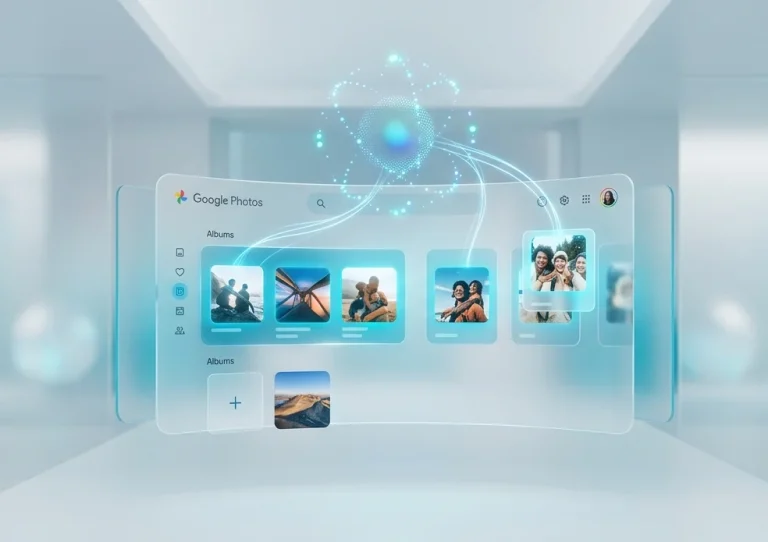
In the initial phase, the function will be available to a limited circle of testers within the YouTube Labs program. The gradual rollout to the general audience is planned to be completed within a few months. In the future, the tool is expected to receive deeper integration with Google Photos cloud storage and the YouTube Music library, allowing users to use personal media files as additional contextual prompts for the neural network.
Expanding multimodal capabilities will also simplify multi-language content creation. Gemini algorithms are capable of not only modifying the visual sequence, but also automatically translating the speaker’s words into dozens of languages while fully preserving the unique voice timbre and adjusting facial expressions to match the new phonetics. This could dissolve language barriers within the platform, giving local authors access to a global audience.



0 Comments