
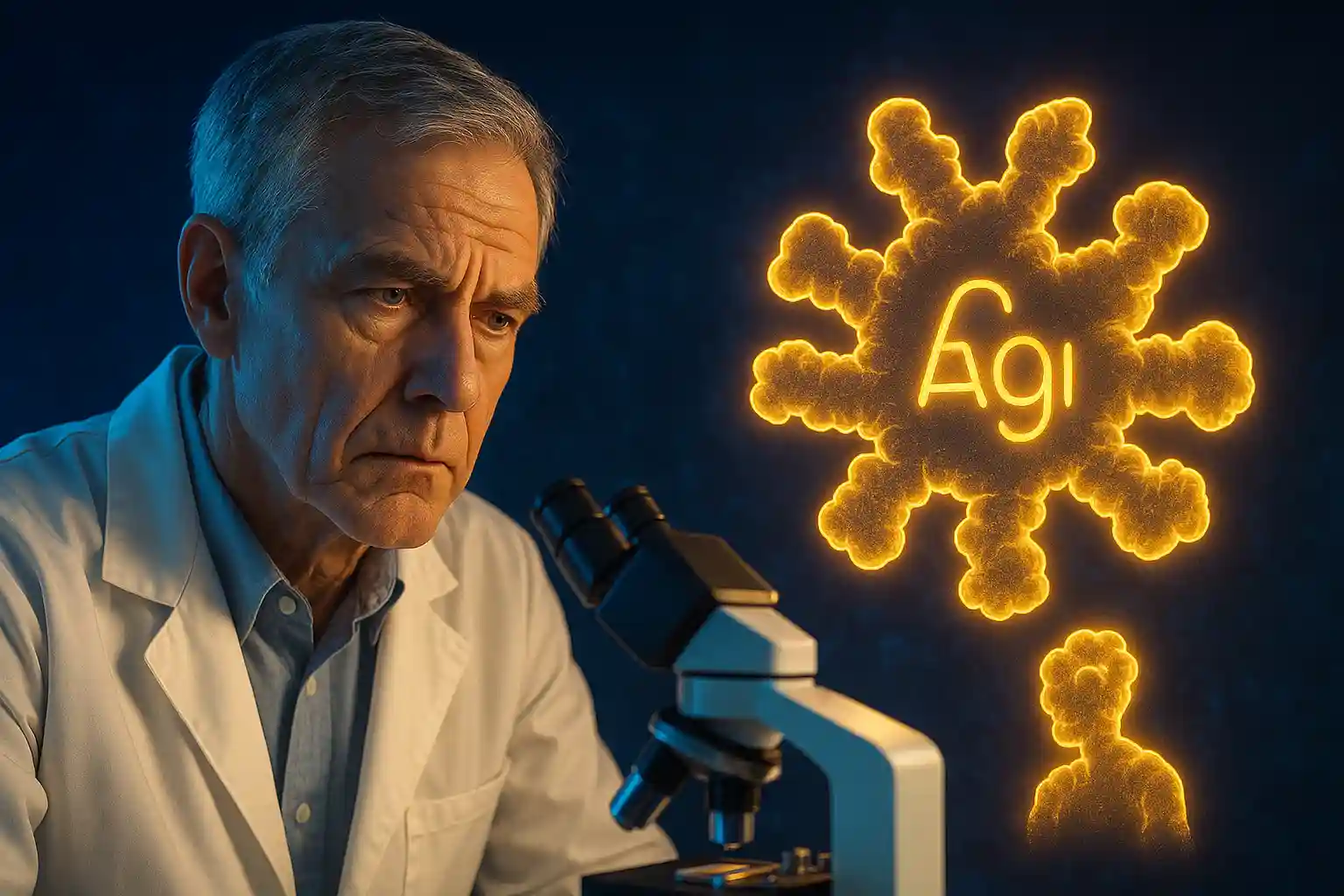
Scientists from a prestigious research institute have announced a monumental discovery: a protein playing a critical role in cellular aging. This discovery is more than just another scientific fact; it’s a true revolution that could radically change the approach to combating aging and age-related diseases. The aging process has always been a mystery, but now researchers have a specific target for developing new anti-aging technologies.
A protein called GDF11 is a signaling molecule circulating in the blood. Research has shown that its levels decrease with age, leading to negative changes in tissues and organs. Scientists have discovered that GDF11 promotes cell regeneration and rejuvenation, and helps repair damaged DNA. A decrease in this protein leads to cells losing their ability to repair themselves, which is one of the main causes of aging. This discovery is an important step in understanding the biology of aging.
Scientists conducted experiments that confirmed this theory. They administered the GDF11 protein to elderly mice, and the results were stunning: the animals experienced muscle and brain tissue regeneration, improved heart function, and increased endurance. This gives hope that similar methods could be applied to humans.
Prospects for medicine and society
This sensational discovery opens up numerous opportunities for medical research and drug development. Potential avenues include:
- Developing drugs that increase GDF11 levels in the body to combat age-related diseases.
- Development of genetic therapies that stimulate the production of this protein.
- Finding natural ways to increase GDF11 may involve certain diets or exercise.
- Using GDF11 to accelerate injury recovery in older adults.
This research not only offers a new cure for aging but also changes our understanding of this process. If aging is an inevitable biological process, then the discovery of GDF11 may make it controllable and perhaps even reversible.
Ethical aspects and future challenges
Discoveries like these, like any scientific breakthrough, raise questions about the moral implications. What will happen if anti-aging therapies are only available to the wealthy? How will this impact society, the economy, and the social fabric? Furthermore, researchers will have to address numerous technical and biological challenges to make the therapy safe and effective for humans.
The potential costs of developing and producing a drug can reach hundreds of millions of dollars. This challenges us to find a balance between profitability and accessibility to ensure these technologies benefit as many people as possible.
A New Path in the Fight for Longevity
The discovery of the GDF11 protein is a significant milestone in the race for longevity and health. It opens a new avenue for understanding age-related processes and developing effective interventions. This isn’t just scientific news, but a step toward a future where old age may cease to be a disease and become simply a stage of life, lived while remaining active and healthy. Modern science is increasingly coming to understand that aging is not a destiny, but a process that can be controlled.
Millions of dollars are currently being invested globally in anti-aging research. Biotech and pharmaceutical companies are competing to be the first to release drugs that could change the lives of millions. However, this discovery represents not only commercial success but also genuine progress in medicine and society.
Overall, the discovery of a protein that causes aging is genuine proof that science can overcome seemingly insurmountable challenges. This breakthrough gives hope to millions of people for a healthier and longer life. Further research will focus on how this protein can be used to treat age-related diseases such as Alzheimer’s, cardiovascular disease, and others. This is a genuine chance for humanity to achieve a healthier future.




0 Comments