
Thermal Expansion Issues in Railway Track Systems
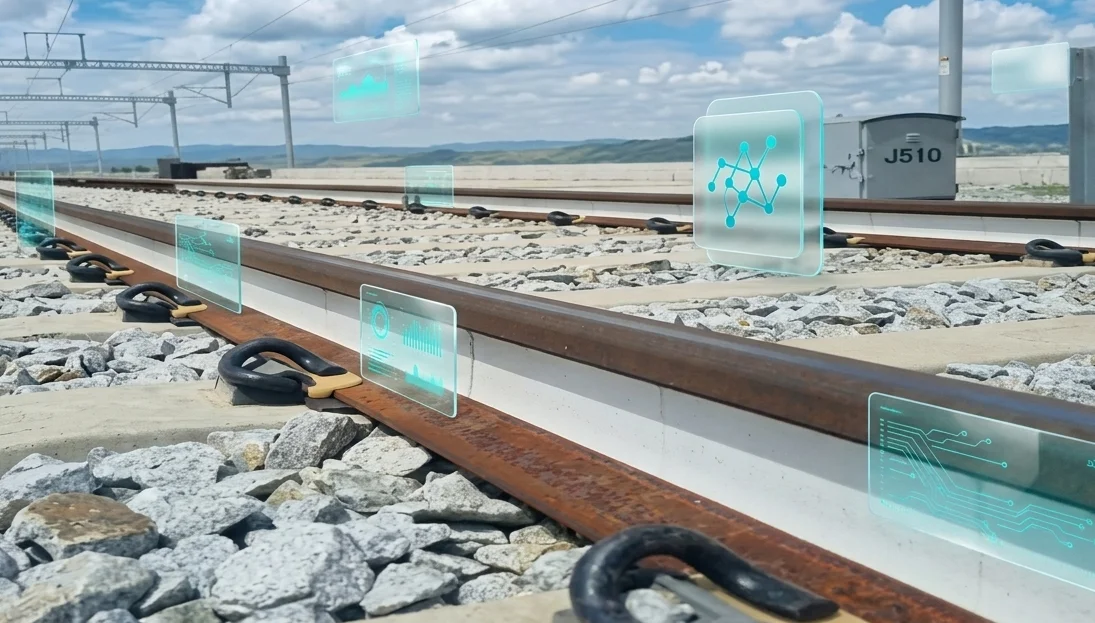
During summer periods, intense solar radiation creates significant operational challenges for railway infrastructure. Conventional steel rails expand under high temperatures, leading to potential track buckling. This physical phenomenon is a primary reason for temporary speed restrictions or service suspensions on main transport lines.
For high-speed rail networks, even minor changes in track geometry present serious safety risks. Engineers at the Korea Railroad Research Institute (KRRI) have engineered a solution to protect steel rails from direct solar heating without altering the existing track structure.
Technical Specifications and Insulation Mechanics
The developed thermal-blocking textile is a multi-layered material engineered for high solar reflectance. The coating functions by passively dissipating heat and blocking both ultraviolet and infrared light radiation.
- Solar Reflectance: The material reflects over 85% of solar radiation.
- Temperature Reduction: Lowers rail heating by up to 10.9 °C compared to unprotected sections.
- Attachment Mechanism: Flexible magnetic strips integrated directly into the fabric matrix.
- Aerodynamic Stability: Rated to withstand air pressure from trains traveling at speeds up to 300 km/h.
The magnetic attachment system secures the textile cover onto the steel rail head. It prevents displacement caused by strong turbulent airflows generated by passing high-speed KTX trains.
Automated Installation and Field Performance
To deploy this protective cover efficiently across extended track segments, a specialized installation vehicle was developed. This automated system lays down and removes the textile strips with minimal manual labor.
Field tests were conducted on high-density rail corridors under real operating conditions. The test results confirmed high durability against wear, dust accumulation, and exposure to industrial lubricants.
Operational Impact and Maintenance Benefits
Integrating passive cooling technologies reduces maintenance overhead for railway infrastructure managers. Lowering thermal stress within the steel extends rail operational life and mitigates micro-fissure formation.
- Reduces the necessity for heat-related train speed limits.
- Decreases track geometry realignment frequencies.
- Enhances overall operational safety for high-speed rail systems.
Implementing reflective thermal textiles represents an effective method for adapting transport networks to extreme seasonal weather conditions.




0 Comments