
How the Threat Works
Cybersecurity researchers have uncovered a critical vulnerability in the electric vehicle ecosystem that allows a piece of malware, dubbed a “computer worm,” to spread between vehicles and charging infrastructure. The attack mechanism leverages a combination of vulnerabilities in the communication protocols of charging stations and onboard vehicle systems.
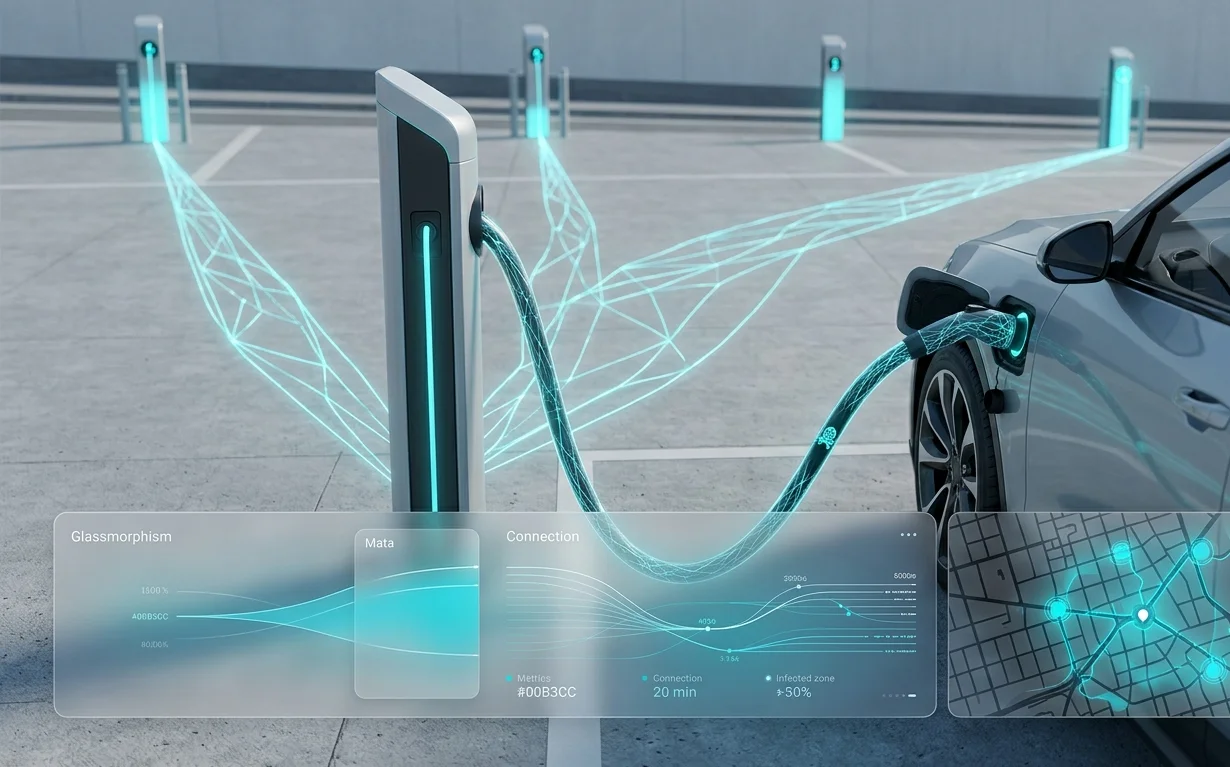
Initial infection occurs when a compromised EV connects to a public or private charging station. Instead of the standard data exchange for charging control, the malware exploits vulnerabilities in communication protocols like ISO 15118 or OCPP (Open Charge Point Protocol) to infiltrate the charging station’s management system.
Spread Path: From Cable to Network
Once inside the charging station, the worm begins scanning available network connections. It can utilize Wi-Fi or Bluetooth to search for other vulnerable devices nearby, including other charging stations connected to the same network or even drivers’ smartphones. The main goal is to find the next EV that connects to any of the infected stations.
When a new, clean EV connects to an infected station, the process repeats in reverse: the worm is transmitted via the charging cable and infects the vehicle’s onboard computer. This creates a self-replicating cycle that allows the malware to spread rapidly throughout a city, using the charging station network as an attack vector.
Threat Magnitude and Potential Consequences
The potential consequences of such an attack could be catastrophic. Attackers could exploit infected EVs to create botnets, launch DDoS attacks on the power grid, steal drivers’ personal data, or even remotely control critical vehicle functions. Furthermore, mass infection of charging stations could paralyze a city’s transportation infrastructure, making EV charging impossible.
Security Measures and Recommendations
Protecting against this threat requires a comprehensive approach, including:
- Regular Software Updates: EV manufacturers and charging station operators must regularly release security patches and software updates to fix identified vulnerabilities.
- Encryption Implementation: All communications between EVs, charging stations, and backend systems should be encrypted using robust algorithms.
- Device Authentication: Charging stations must authenticate EVs before initiating the charging process to prevent compromised vehicles from connecting.
- Network Monitoring: Charging station operators should continuously monitor network traffic to detect anomalous activity that might indicate the presence of malware.
EV vulnerability to cyberattacks is a serious issue that demands immediate attention from manufacturers, regulators, and cybersecurity experts. Only through collaborative efforts can the security and reliability of future transportation infrastructure be ensured.




0 Comments