
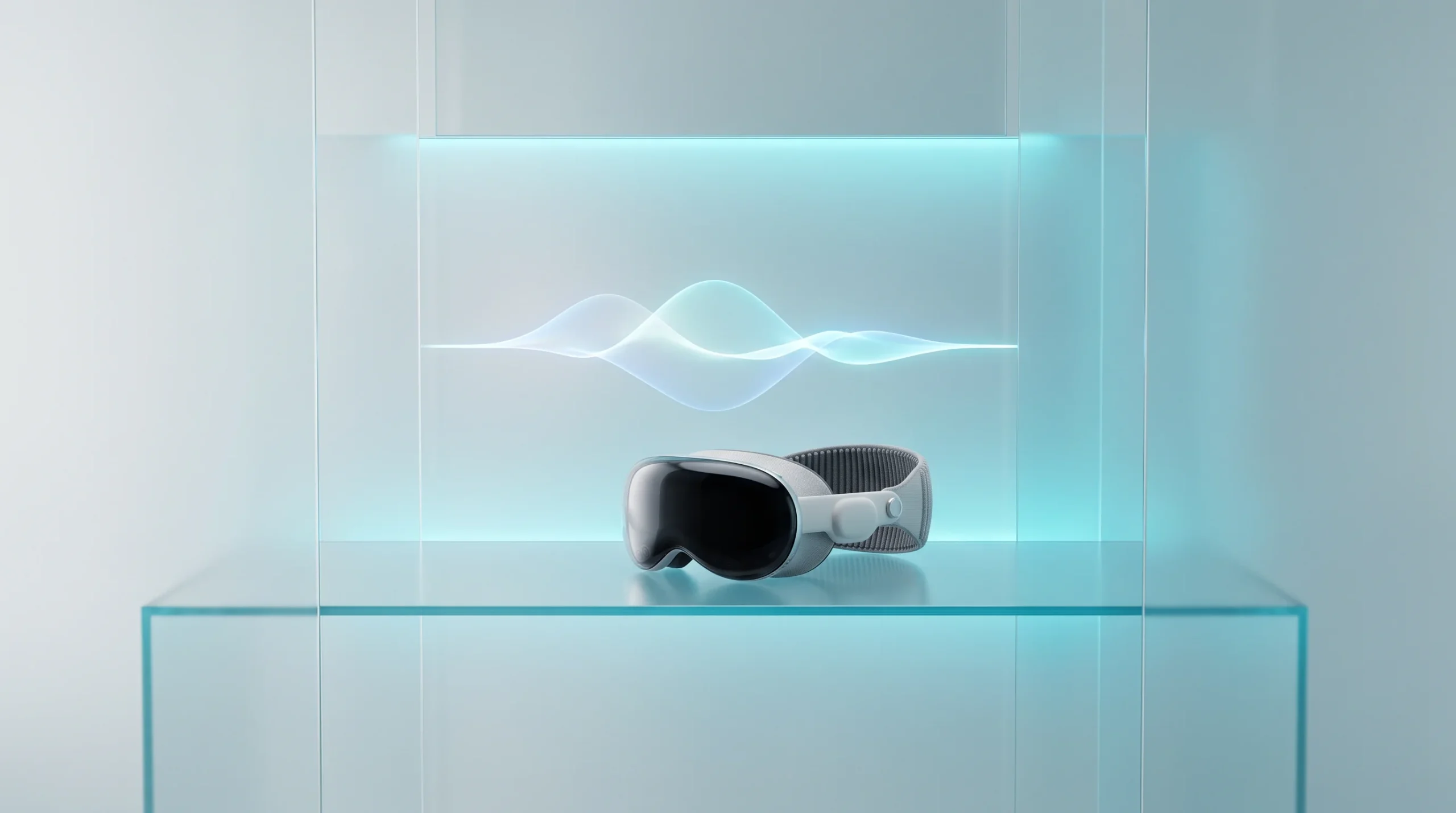
Major Engineering Restructuring in Cupertino
Apple has initiated a targeted corporate restructuring, cutting more than two hundred engineering positions across its spatial computing and artificial intelligence divisions. The layoffs directly impact staff dedicated to the Vision Pro headset, the legacy Siri ecosystem, and the Intelligent Systems Experience team. This shift reflects a strategic reallocation of capital toward next-generation form factors and upgraded neural network architectures.
Impacted employees were notified following an extensive internal portfolio evaluation. Despite the technological milestones achieved with the 3499 USD spatial headset, moderate retail momentum and high manufacturing overhead led leadership to terminate underperforming internal media initiatives, redirecting core engineering talent toward mass-market consumer hardware.
Strategic Pivot in Spatial Computing
The Vision Pro computing platform encountered measurable friction within the broader consumer hardware segment. High component costs, device weight, and a selective software ecosystem prompted executive leadership to curtail several internal media development programs.
- Downsizing spatial gaming teams. Dedicated internal studios tasked with engineering exclusive mixed-reality games saw major staff reductions. Hardware telemetry indicates that consumers primarily utilize spatial environments for multi-monitor productivity and high-resolution video streaming rather than interactive gaming.
- Immersive Video operational overhaul. Teams producing proprietary Apple Immersive Video formats were restructured. Moving forward, Apple aims to leverage external production partnerships rather than sustaining capital-intensive in-house filming crews and post-production labs.
- Realignment toward lightweight smart glasses. Engineering resources are shifting toward display-less, audio-enabled smart glasses engineered to compete directly with emerging mainstream smart eyewear.
Transformation of Siri and Intelligent Systems Experience
Simultaneously, Apple executed structural changes across teams responsible for Siri voice automation and systemic machine learning integration. The Intelligent Systems Experience group, historically responsible for foundational conversational parsing across iOS and macOS, underwent organizational downsizing as the company transitions to modern large language model foundations.
Legacy rule-based heuristics and modular NLP pipelines are being superseded by multimodal generative frameworks. Maintaining deprecated algorithmic layers proved inefficient for rapid feature deployment. Consequently, roles tied to legacy code maintenance were eliminated in favor of consolidated teams working directly on Foundation model integration.
Engineering priorities are now concentrated on local inference optimizations, maintaining privacy-preserving on-device computing across custom Apple Silicon without unnecessary background memory overhead.
Broader Industry and Organizational Implications
While the reduction in force remains measured compared to broader technology sector cutbacks, it marks a disciplined operational phase for Apple. Speculative, capital-intensive initiatives without immediate multi-year commercial viability are being systematically pruned.
- Operating expense management. Trimming duplicative technical positions allows capital redeployment toward high-performance GPU server infrastructure for AI training.
- Management hierarchy consolidation. Unifying conversational AI engineering under a cohesive leadership structure reduces product delivery friction.
- Gross margin protection. Balancing R&D expenditure against component price increases safeguards corporate operating profitability targets.
Impact on Ecosystem Developers and Consumers
For end consumers, this realignment shifts the cadence of upcoming visionOS feature updates. Operating system iterations will prioritize performance optimization, external Mac connectivity, and ergonomic interface enhancements, while first-party spatial game releases will diminish. Conversely, Siri voice processing will see accelerated updates driven by reconstructed language models.
Third-party software developers stand to capture greater market share within the spatial software landscape. With fewer first-party competing applications in spatial gaming and experiential video, independent development studios gain increased visibility within the App Store ecosystem.



0 Comments