
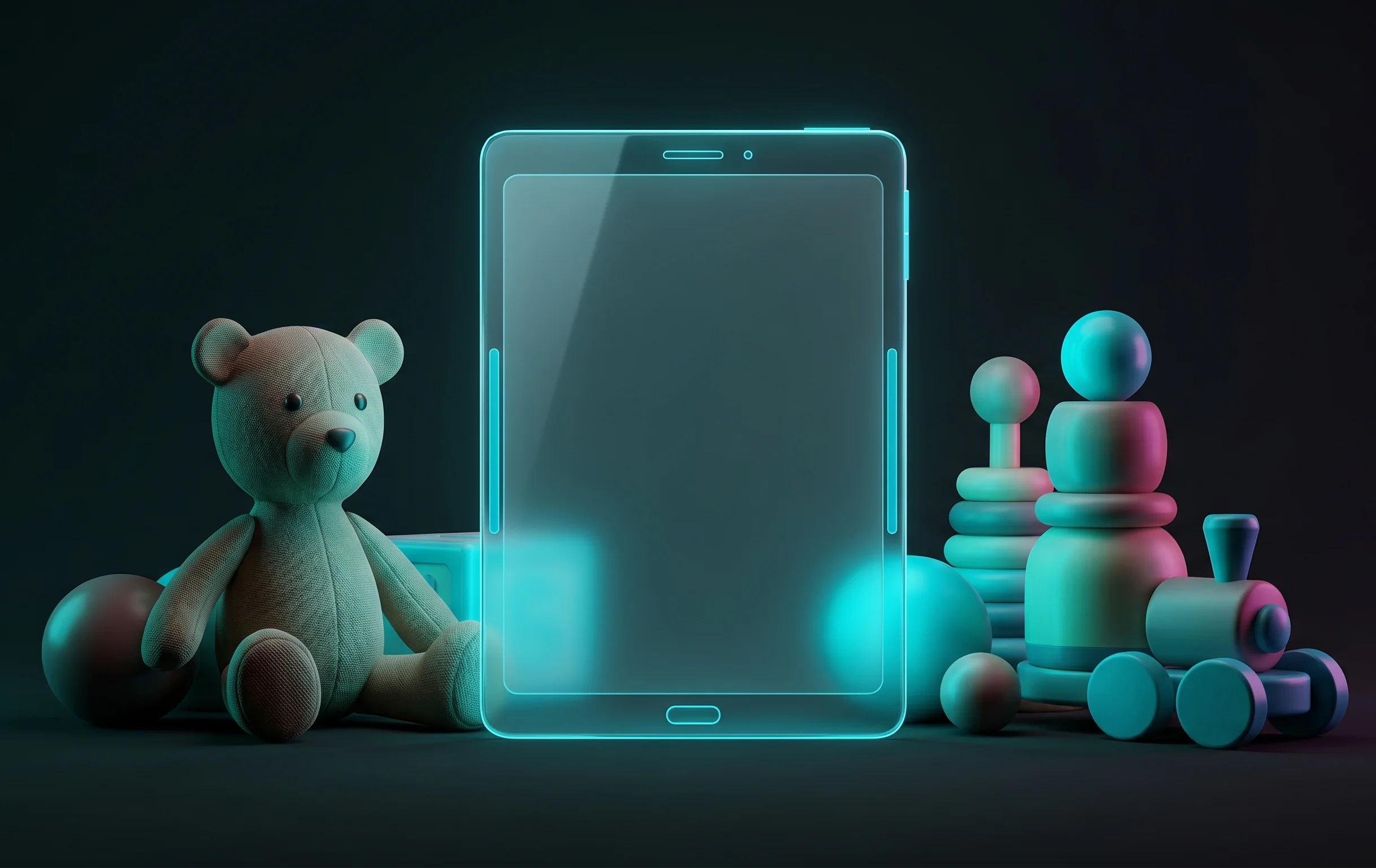
The clash between tradition and modern screens
The fifth installment of Pixar’s iconic animation franchise offers audiences more than just another adventure with familiar characters; it delivers a full-scale sociological study. The main challenge for Woody, Buzz, and their friends is not a new selfish owner or an evil toy, but technological progress. The appearance of the Lilypad tablet in the child’s room symbolizes a paradigm shift in children’s leisure, where physical objects lose ground to interactive digital content.
The film’s directors analyze in detail how the perception of the world is changing for the new generation. The screen becomes the central element of the room, pushing classic toys to the periphery of attention. However, the authors avoid banal moralizing, trying to understand the nature of this attraction and find common ground between two different worlds.
Analysis of the main antagonist and digital threats
The Lilypad tablet in the cartoon acts not as a classic villain, but as a soulless attention retention algorithm. Its interface, bright colors, and constant notifications are designed to maximize the child’s screen time. Toys find themselves in a situation where they have to compete with an endless stream of personalized content that adapts to the child’s mood.
An important aspect of the plot is the demonstration of technological isolation. When a child immerses themselves in a virtual world, they lose connection with their real surroundings. Pixar creators clearly show that the threat lies not in the technology itself, but in the loss of balance and the capacity for independent creative play without digital prompts.
Finding a compromise between reality and virtuality
The climax of the film offers a sober look at resolving gadget addiction. Instead of completely destroying or banning the device, the characters arrive at the idea of integration. Physical toys can complement the digital experience, making it more active and social. The authors emphasize the role of parental control and conscious content consumption, as gadgets are an integral part of modern civilization.
Woody and Buzz adapt to new conditions, proving that the tactile experience of play and emotional attachment to objects have a unique value that no pixel replacement on a screen can replicate. The movie becomes an important call for balance in raising children of the digital era.



0 Comments