
A New Era of Competition in the Personal Computer Market
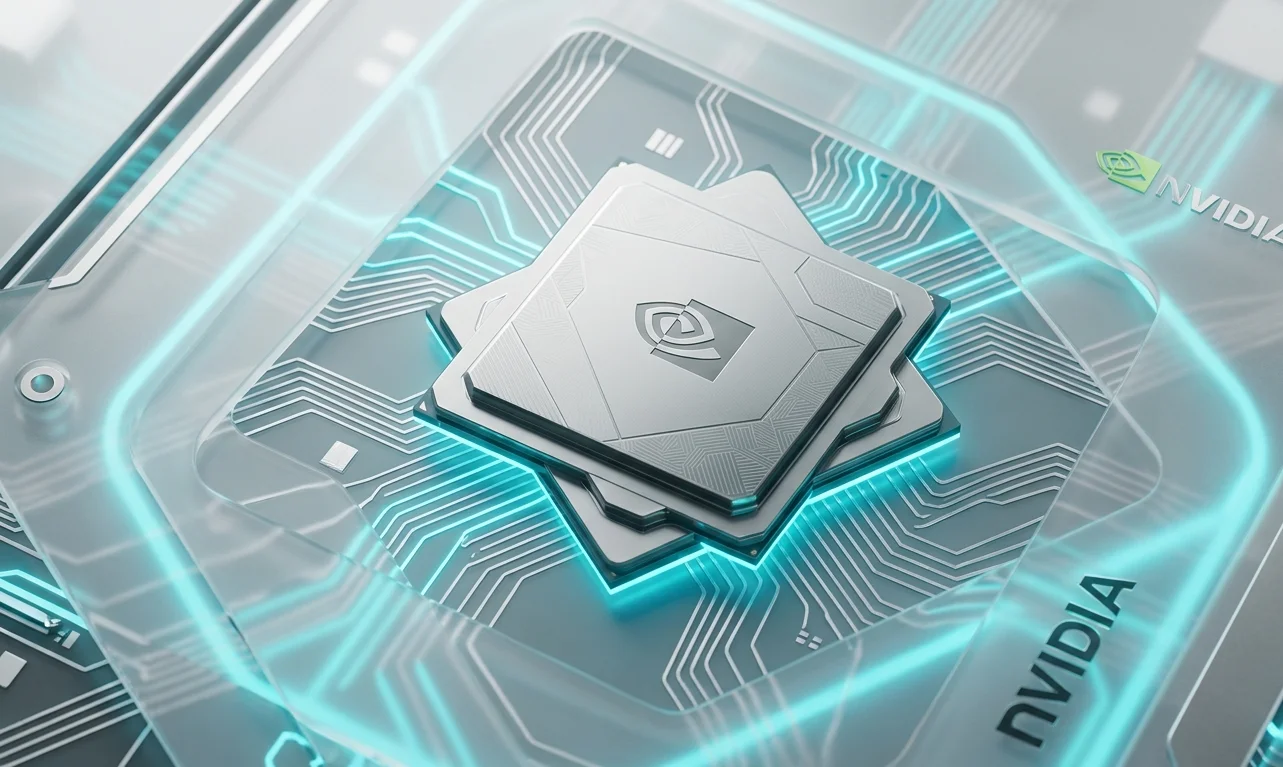
Nvidia Corporation is preparing a large-scale expansion into the central processing unit market for personal computers and workstations. The company, which holds a dominant position in the graphics processing units and artificial intelligence chips market, has decided to challenge the traditional x86 architecture leaders, Intel and AMD. The strategic plan involves creating high-performance systems-on-chip based on the Arm architecture, designed to run under the Windows operating system.
To ensure a fast market entry and wide distribution, Nvidia has entered into partnership agreements with the largest computer manufacturers – Dell and HP, and has also received comprehensive engineering support from Microsoft. This step is intended to expand the Windows on Arm ecosystem, creating a real alternative to existing solutions from Qualcomm and Apple. Nvidia’s manufacturing partner in the development of computing cores is the Taiwanese company MediaTek, which allows combining experience in designing mobile platforms and high-end graphics.
Technical Features and Architecture of the New Processors
At the core of the upcoming Nvidia processors, known in technical reports under the codename N1X series, lies the advanced Arm architecture. The main difference between these chips and competing solutions will be the integration of a powerful graphics subsystem based on the current Blackwell architecture or its successor. This will allow for an unprecedented level of performance in games and professional applications without the need to install a discrete graphics card.
The chips are manufactured using an advanced 3 nm technological process at TSMC factories, which ensures high energy efficiency. Due to the low heat dissipation, devices based on the new processors will be able to work for a long time on a single battery charge, maintaining maximum computing power even when operating in passive cooling mode.
Strategic Partnership with Industry Leaders
Experts note that the success of previous attempts to introduce Arm on the Windows platform was held back by limited support from software developers and hardware manufacturers. Nvidia took this experience into account and formed a powerful alliance. Microsoft is actively optimizing the Windows kernel and the Prism emulation layer to ensure compatibility with legacy x86 software, minimizing issues for end users.
Dell and HP have already started designing motherboards and chassis for the new laptops and nettops. The first commercial devices are expected to go on sale in the second half of this year. The initial phase of shipments will target the premium corporate segment and laptops for content creators, where high-speed local processing of neural network models is critical.
Artificial Intelligence and Hardware Acceleration
The main driver of new device sales will be the integrated neural processing unit. Thanks to Nvidia’s developments in the data center field, the new client CPU will receive specialized tensor cores optimized for local execution of large language models and content generation tools. This will allow full realization of the Microsoft Copilot+ features potential without sending data to remote servers.
The unified memory architecture, similar to that used in Apple Silicon chips, will provide ultra-fast data exchange between the processor, graphics core, and artificial intelligence block. The memory access speed will significantly accelerate video rendering, 3D graphics composition, and software code compilation.
Market Prospects and Share Redistribution
Nvidia’s appearance in the processor market will significantly change the balance of power. For many years, the x86 architecture remained the only option for most PC users. However, Apple’s success with the transition to its own chips proved the viability of Arm in desktop systems. Analysts predict that over the next three years, the share of Arm devices in the Windows PC segment could grow to 25% of the total market volume.
For the end consumer, such competition will bring lower costs for energy-efficient laptops and the emergence of new form factors. Competitors like Intel and AMD will have to accelerate the development of their own energy-efficient architectures and lower prices on existing product lines, which will positively affect the entire electronics market.




0 Comments